Dave Lift Dave Lift

2026 Best Tips for Choosing the Right Lift for Small Villas?

Time:2026-05-09 Author:Isabella
0%

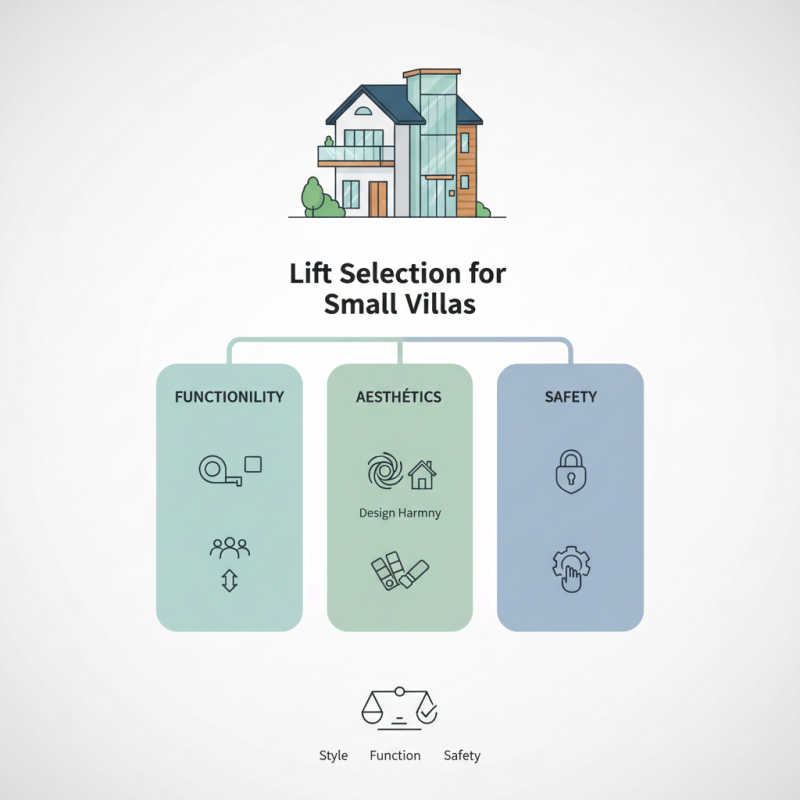
When choosing the right lift for small villas, one must consider various factors. Expert David Hauser, a renowned lift consultant, emphasizes, "A lift should be a blend of functionality and aesthetics." This statement highlights a vital aspect of the lift selection process.

In small villas, space is often limited. The lift design must complement the architecture while providing ease of access. Factors such as lift size, capacity, and design must align with the villa's overall theme. An inappropriate choice could disrupt aesthetics and practical use, leading to regrets later on.

Also, safety features are crucial. Some homeowners may overlook them, focusing primarily on the lift's appearance. However, the right lift should ensure smooth operation and reliable safety measures. Ignoring these elements can lead to unforeseen issues. Ultimately, understanding how to choose the right lift for a small villa involves balancing style, functionality, and safety.
2026 Best Tips for Choosing the Right Lift for Small Villas?

Understanding the Space Requirements for Lifts in Small Villas

When considering lifts for small villas, understanding the space requirements is crucial. Lifts take up valuable real estate. A compact lift typically needs a shaft space of around 4 square meters. However, this can vary based on design and type. According to industry reports, about 30% of homeowners underestimate the space needed for a lift installation.

**Tip:** Consult with a lift expert to accurately measure your available space. They can also guide you through different types, such as hydraulic or traction lifts, each with unique space demands. Hydraulic lifts are generally more compact and ideal for smaller homes.

Another factor is the ceiling height. A minimum of 2.4 meters may be required for most lifts. Many villas do not meet this standard due to design choices. This can lead to difficulties during installation. **Tip:** Consider modular lifts that can accommodate lower ceilings. They might not need as much vertical space, making them suitable for villas with height restrictions.

Overall, planning ahead and understanding specific requirements are key. Space constraints can complicate lift installation. A well-thought-out design can optimize functionality and aesthetics in your small villa.

Evaluating Different Types of Lifts Suitable for Small Villas

When selecting the right lift for small villas, several types stand out. A recent industry report indicates that residential lifts can enhance accessibility by up to 70%. Homeowners must assess the space available, as some types require more room than others. For example, hydraulic lifts are efficient but need a dedicated pit, which may not fit in smaller villas.

Another option is the pneumatic lift, which utilizes air pressure. These lifts are known for being compact and do not require a machine room. About 65% of small villa owners prefer this type for its space-saving qualities. However, they may not be suitable for every design. Experts recommend considering lift capacity based on the household needs. Some families might find a 250 kg capacity sufficient, while others may need more.

Moreover, homeowners should be mindful of the energy consumption of different lift types. A study found that energy-efficient models can reduce power usage by around 40%. It’s essential to balance efficiency with maintenance costs. Regular check-ups are crucial; lifting equipment can require more care than anticipated. Each option has its pros and cons, and it’s vital to reflect on these aspects before making a decision.

Assessing Weight Capacity and Load Limitations for Villa Lifts

When selecting a lift for small villas, assessing weight capacity is crucial. Each lift has specific load limitations that determine how many passengers or items it can carry. For a small villa, you might expect a typical capacity of around 300 to 500 kg. This range usually accommodates a few adults or essential household goods.

Consider the intended use of the lift. If it will transport heavy furniture or equipment occasionally, opt for a lift with a higher load capacity. However, overloading a lift can lead to malfunctions. It's important to check the manufacturer’s guidelines and local regulations to ensure compliance.

Also, think about the building’s structure. Some villas may require additional support for a lift installation. Evaluate any potential design challenges early. This foresight prevents potential safety hazards later on. Balancing aesthetics and functionality is key, but safety always comes first. Taking the time to assess these factors can lead to a better choice.

Exploring Installation and Maintenance Considerations for Villa Lifts

When selecting a lift for your small villa, installation and maintenance are vital aspects to consider. Proper installation affects functionality and safety. Inadequate installation can lead to costly repairs. It’s essential to engage qualified professionals. They should have experience in villa lift installations. Always request credentials to verify their expertise.

Regular maintenance keeps the lift in good working order. Schedule inspections at least once a year. This helps identify issues early. Look for signs that could hint at trouble, like strange noises or slow movements. Routine checks extend the lift's life and enhance safety.

Consider these tips when choosing your villa lift. First, assess the available space. The lift should fit comfortably without compromising aesthetics. Second, consider the power supply. A reliable source ensures smooth operation. Lastly, think about user needs. Family members may have different accessibility requirements. Include features that cater to everyone. Making informed decisions leads to better long-term outcomes.

2026 Best Tips for Choosing the Right Lift for Small Villas

Lift Type Capacity (kg) Speed (m/s) Power Supply Installation Space (m²) Maintenance Frequency (Monthly)
Hydraulic Lift 450 0.5 220V 1.5 Every 3 months
Electric Traction Lift 500 1.0 220V 2.0 Every 6 months
Screw Lift 350 0.3 220V 1.2 Every 4 months
Vacuum Lift 300 0.2 220V 1.0 Every 6 months
Pneumatic Lift 400 0.7 220V 1.8 Every 5 months

Budgeting for Lift Installation: Costs and Financial Options for Small Villas

When considering lift installation for small villas, budgeting is crucial. The average cost of installing a home lift can range from $20,000 to $50,000. This figure can fluctuate based on factors like lift type, customization, and structural requirements. A hydraulic lift generally costs more due to its complex design and installation needs. A simple, compact lift may be more budget-friendly but could lack features for greater accessibility.

Financing options can ease the financial strain of lift installation. Many homeowners turn to home improvement loans or personal loans. Some might even find grants aimed at promoting accessibility. Research indicates that approximately 30% of villa owners rely on financing solutions to fund home upgrades. However, it’s essential to plan for maintenance costs as well. Some lifts may require regular servicing, adding an annual cost of around $500 to $1,200.

Considering the aesthetic and functional benefits, weigh the initial and ongoing costs. While a lift enhances convenience for residents, the investment must align with your financial strategy. Reflecting on your budget and potential financial collaborations can help create a balanced approach. Investing in a lift should also consider future needs as aging in place becomes more common.

FAQS

: What is the typical space requirement for a small villa lift?

: A compact lift usually requires about 4 square meters of shaft space. Space needs can vary by design.

How does ceiling height affect lift installation?

Most lifts need a minimum ceiling height of 2.4 meters. Many villas might not meet this requirement.

What type of lift is better for smaller homes?

Hydraulic lifts are often more compact. They work well in smaller spaces, but they can be pricier.

How much does it cost to install a home lift?

The cost ranges from $20,000 to $50,000. This depends on lift type, customization, and structural needs.

Do homeowners usually rely on financing for lift installation?

Yes, around 30% of villa owners use financing options like home improvement loans or grants for installation.

What are the ongoing costs after lift installation?

Maintenance costs may range from $500 to $1,200 annually. Planning for these is essential for budgeting.

Can lower ceiling heights still accommodate a lift?

Yes, modular lifts can work in lower spaces. They are designed to require less vertical clearance.

Should I consider future needs when installing a lift?

Absolutely. Aging in place is important, and a lift can aid in long-term accessibility.

Is it necessary to consult an expert for lift installation?

Yes, consulting an expert is crucial. They can provide accurate measurements and guide through options.

What should I keep in mind before making a lift purchase?

Reflect on your budget and future needs. Ensure that the lift aligns with both financial and functional goals.

Conclusion

When considering how to choose the right lift for a small villa, it is essential to first understand the specific space requirements, as various designs and layouts may impact the lift's placement and functionality. Evaluating different types of lifts, from hydraulic to cable-operated systems, is crucial to find the most suitable option that harmonizes with the villa's architecture.

Additionally, assessing weight capacity and load limitations ensures that the lift meets the daily requirements of its users. Installation and maintenance considerations play a pivotal role in long-term satisfaction and safety. Finally, budgeting for lift installation involves exploring the costs and available financial options to make an informed decision that aligns with your financial capabilities while enhancing accessibility in the villa.

Isabella

Isabella

Isabella is a dedicated marketing professional with a sharp focus on driving brand growth and engagement through strategic content creation. With an extensive background in digital marketing, she combines her passion for storytelling with her keen understanding of industry trends to deliver......