Dave Lift
The world of sightseeing lifts has evolved significantly. Safety is now paramount. What are the latest safety features in sightseeing lifts? Recent industry reports reveal a 30% increase in safety-related innovations in the past five years. According to renowned lift safety expert Dr. Linda Martin, “Safety in lifts is not just about compliance; it's about peace of mind for every passenger.”
Modern sightseeing lifts incorporate advanced technology. Features like emergency alarms, real-time monitoring, and automatic braking systems are now standard. These innovations help ensure passenger safety while enjoying breathtaking views. However, with so many new features, some operators struggle to stay updated. Understanding and implementing these safety measures is crucial.
As we explore the best safety features in sightseeing lifts, it's essential to reflect on existing practices. Are we prioritizing safety adequately? Are all lifts equipped with the latest safety enhancements? Continuous improvement in safety protocols is necessary. This topic is critical to both operators and passengers. Enjoying the view should never come at the cost of safety.
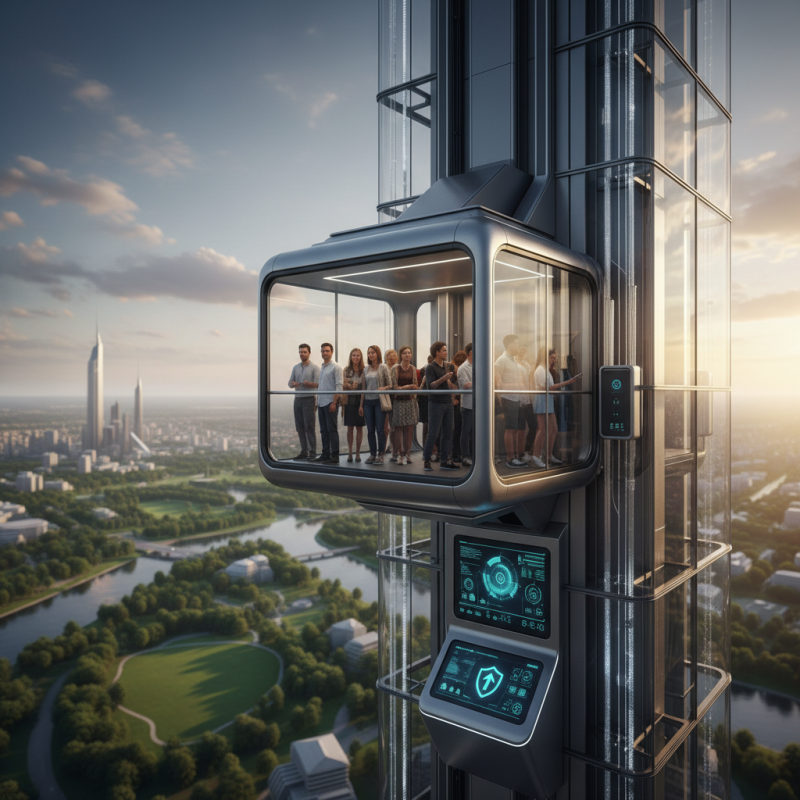
Sightseeing lifts offer breathtaking views, but safety must come first. Modern lifts are equipped with advanced safety features. These features enhance the overall experience and instill confidence in users. Knowing your lift's safety aspects can make a big difference.
Emergency brakes are crucial. They prevent free falls in case of malfunction. If a system fails, the emergency brake engages quickly. This feature is vital in protecting passengers. Another important element is the communication system. In emergencies, operators can reach passengers efficiently. Clear audio and visual alerts can reduce panic.
Regular maintenance is also essential. Technicians must inspect and test all safety mechanisms frequently. This ensures every feature functions properly. Without this, risks can increase. User training should not be overlooked. Educating passengers on safety protocols enhances their awareness. Safety is not just a feature; it is a shared responsibility.
When it comes to sightseeing lifts, safety features are essential. Various international organizations, like the International Organization for Standardization (ISO) and the American Society of Mechanical Engineers (ASME), set crucial safety standards for elevators. For example, ISO 25745 outlines energy performance and safety. This standard helps ensure that lifts operate safely while minimizing energy consumption.
Accidents in elevators remain a concern, despite advances in technology. According to the Bureau of Labor Statistics, there were over 30 elevator-related fatalities in the U.S. alone in recent years. This highlights the importance of adhering to safety regulations. Features like emergency communication systems and automatic braking mechanisms are vital. Emergency brakes can stop the lift within a specified distance.
Regular maintenance is another key area that often reflects the industry's dedication to safety. However, many buildings neglect this crucial step. An industry report indicated that around 20% of elevators fail to meet required maintenance schedules. This creates a gap in safety protocols. Elevators should be inspected at least twice a year to ensure compliance with established safety standards. Addressing these gaps is essential to promote safer sightseeing experiences.
Sightseeing lifts are becoming more popular, with safety being a paramount concern. In 2026, several safety features are vital for ensuring a secure ride. Key technologies are emerging to enhance performance and reliability.
One of the top safety technologies is advanced braking systems. These systems can automatically engage during malfunctions, preventing accidents. According to a recent industry report, lifts with modern braking systems have reduced incidents by nearly 30%. Detection sensors are another essential feature. They monitor the lift's speed and position in real time, ensuring it operates within safe parameters.
Operators must also consider power backup systems. These systems keep lifts functional during outages, ensuring passengers are safe and secure. Lift designs should incorporate emergency communication systems. In emergencies, these systems allow passengers to alert authorities quickly. They can make a significant difference in life-threatening situations.
**Tip:** Regularly inspect and maintain safety features to ensure they function correctly. Ongoing training for staff can enhance their ability to respond in emergencies. Safety is a collective responsibility. All stakeholders must prioritize these technologies for a secure environment.
In recent years, sightseeing lifts, or scenic elevators, have become popular attractions in many tourist destinations. However, safety incidents in these lifts can pose significant risks. According to the National Safety Council, in the last decade, there have been over 1,000 reported accidents involving sightseeing lifts. This statistic indicates a pressing need for improved safety measures and constant vigilance in the industry.
Analyzing safety incidents reveals that human error accounts for a large percentage of accidents. Maintenance lapses also contribute to dangerous situations. Regular inspections and training programs can greatly reduce risks. For example, a failure to perform routine checks can lead to mechanical issues. This emphasizes the importance of adopting a proactive approach to safety.
Tip: Always consider the lift's safety features before getting on. Check for certificates and maintenance records. Furthermore, understand that unusual sounds or motions can be signs of trouble. Stay informed, prioritize safety, and enjoy your lift experience responsibly.
When it comes to sightseeing lifts, enhancing safety is paramount. Innovations in emergency response systems have made significant strides in recent years. Advanced communication tools allow passengers to stay in contact during emergencies. This connection is vital. Properly trained staff can step in quickly, offering guidance and reassurance.
Sensors and monitoring systems are becoming more sophisticated. They detect irregularities in lift operation. If something goes wrong, alarms trigger immediately, alerting maintenance teams. This response mechanism can save lives. Yet, some lifts still lack these vital systems. Traveling in a lift without modern technology can leave riders feeling anxious.
While many systems work well, flaws can exist. Occasionally, equipment fails to communicate effectively. In those moments, passengers might feel helpless. It’s essential for operators to learn from these shortcomings. Regular maintenance checks are crucial in identifying and fixing potential issues before they escalate.
| Safety Feature | Description | Innovation Year | Emergency Response System |
|---|---|---|---|
| Automated Emergency Braking | Prevent uncontrolled descent of the elevator in case of a power failure. | 2024 | Integrated emergency response protocol that activates upon failure. |
| Real-Time Monitoring System | Continuous tracking of elevator performance metrics and safety alerts. | 2025 | Immediate alerting of maintenance personnel in case of anomaly. |
| Emergency Communication System | Two-way communication between passengers and emergency services. | 2023 | Allows for quick action during emergencies by ensuring constant connectivity. |
| Smoke Detection and Alarm System | Detects smoke and triggers alarms for immediate evacuation. | 2026 | Integrates with building-wide fire safety protocols. |
| Backup Power Source | Ensures the elevator can operate during a power outage. | 2024 | Facilitates safe descent to the nearest floor during emergencies. |
: Essential safety features include emergency communication systems and automatic braking mechanisms. These help prevent accidents.
Elevators should be inspected at least twice a year. This ensures they meet required safety standards.
Regular maintenance reflects dedication to safety. Many buildings neglect this, creating a gap in safety protocols.
Advanced braking systems engage automatically during malfunctions. They have reduced incidents by nearly 30%.
Detection sensors monitor the lift's speed and position in real time. This ensures safe operation.
Operators should consider power backup systems for lifts. These systems ensure functionality and passenger safety during outages.
Emergency communication systems allow passengers to alert authorities during emergencies. They can save lives.
Ongoing training enhances staff's emergency response capabilities. This is vital for maintaining a secure environment.
Yes, accidents remain a concern despite technology advances. Over 30 fatalities were recorded in the U.S. recently.
Around 20% of elevators fail to meet maintenance schedules. This indicates a need for better attention to safety protocols.
The article titled "2026 Best Safety Features in Sightseeing Lifts You Need to Know?" emphasizes the critical importance of safety features in modern sightseeing lifts. As these lifts are frequently used to provide stunning views at various attractions, ensuring passenger safety is paramount. Key safety standards outlined by international organizations are essential in shaping the design and operation of these lifts. The article highlights the top five safety technologies that enhance sightseeing lift performance, including advanced braking systems, real-time monitoring, and anti-collision alerts.
Additionally, a statistical analysis of safety incidents in sightseeing lifts reveals the effectiveness of these safety measures over time. Innovations in emergency response systems, including fail-safe mechanisms and improved communication protocols, further reinforce the safety framework. In conclusion, for those wondering what are the latest safety features in sightseeing lifts, this article provides a comprehensive overview of the advancements that prioritize passenger safety while enjoying breathtaking views.
