Dave Lift
As homeowners increasingly seek efficient solutions, energy consumption remains a critical concern. Elevators, while convenient, can significantly impact energy bills. Experts emphasize the importance of optimizing these systems. According to Samantha Markham, a leading energy efficiency consultant, “Reducing home elevator energy consumption is paramount for eco-conscious homeowners.”
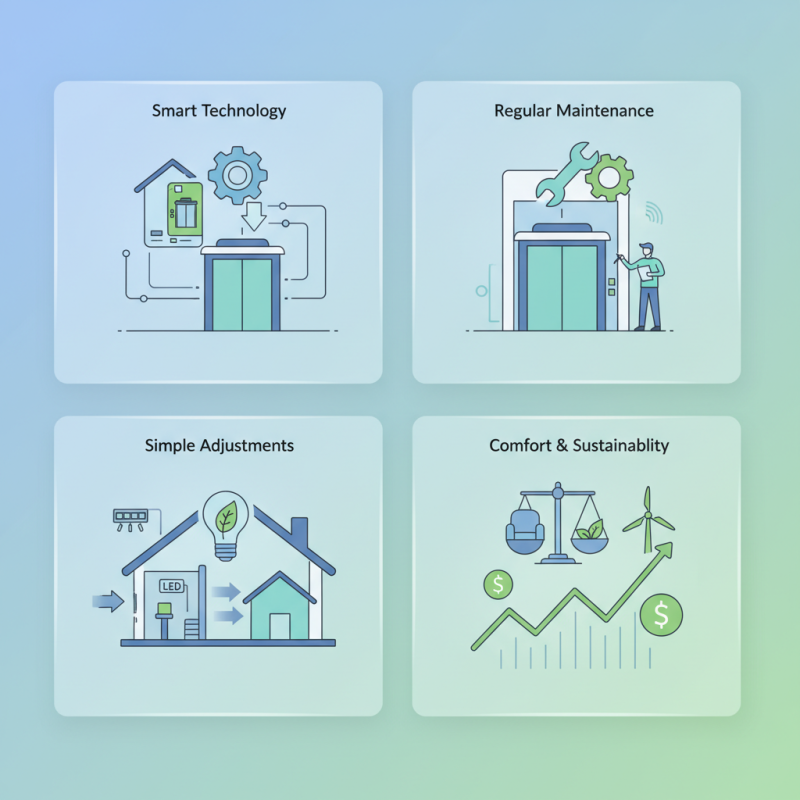
One approach is to implement modern technology. Smart systems can automate usage, cutting waste considerably. Additionally, regular maintenance plays a vital role. Neglecting this can lead to inefficiencies. Homeowners often overlook the benefits of simple adjustments, such as changing lighting or insulation.
The aim is to balance comfort and sustainability. Many still wonder how to reduce home elevator energy consumption while maintaining convenience. By exploring innovative solutions, homeowners can achieve significant energy savings. There’s always room for improvement in how we use these systems. Reflecting on energy habits can lead to impactful changes.
Home elevators, while offering convenience, can significantly impact energy consumption in a household. Understanding this impact is crucial.
According to a report by the National Renewable Energy Laboratory (NREL), the average home elevator consumes about
3,500 kilowatt-hours annually. This energy use can lead to increased utility bills and a larger carbon footprint.
Optimizing energy consumption involves investing in energy-efficient technologies. Modern elevators often feature
regenerative drives. These systems capture energy during descent and redirect it during ascent. Studies show that elevators with such systems can reduce energy usage by
up to 70%. Selecting proper sizing for the elevator is another vital factor.
Oversized elevators consume more energy, wasting resources unnecessarily.
Routine maintenance also plays a key role. Well-maintained elevators operate more efficiently. A lack of maintenance might lead to increased friction and energy loss. Regular checks can help to identify issues early.
Addressing these problems can improve performance and reduce energy costs. Keeping an eye on energy consumption can help homeowners make informed choices.
When selecting energy-efficient elevator systems, consider the type of drive mechanism. Hydraulic elevators can consume more power compared to traction systems. The latter usually offers better energy savings. Pay attention to the motor size, as oversizing can lead to energy waste. An ideal motor should suit your elevator's weight and usage pattern.
Energy-efficient components are essential. LED lighting is a wise addition, using less energy and offering longer lifespans. Additionally, installing a regenerative drive allows energy recovery during descent. This feature can significantly cut down overall energy consumption.
Regular maintenance is crucial. It ensures that all components operate smoothly, preventing unnecessary energy usage. Outdated systems should be evaluated for upgrades, as new technologies can provide enhanced efficiency. However, sometimes it may be tempting to postpone these maintenance tasks or upgrades. This could lead to larger energy costs down the line. Focusing on energy-efficient choices today is key for reducing consumption in the long run.
| Energy Efficiency Measure | Description | Potential Energy Savings (%) | Cost Range (USD) |
|---|---|---|---|
| Smart Elevator Scheduler | Uses algorithms to optimize elevator trips based on user demand. | 20-30% | $1,000 - $3,000 |
| Regenerative Drives | Captures energy generated during descent and reuses it. | 30-50% | $5,000 - $10,000 |
| LED Lighting | Replaces traditional bulbs with energy-efficient LEDs. | 10-15% | $100 - $300 |
| Standby Mode | Reduces power usage when the elevator is not in use. | 15-25% | $500 - $1,500 |
| Variable Frequency Drives (VFD) | Controls the speed of the motor to reduce energy consumption. | 20-35% | $2,000 - $4,000 |
Implementing smart technology in home elevators can significantly reduce energy consumption. According to a report by the American Society of Heating, Refrigerating and Air-Conditioning Engineers (ASHRAE), elevators account for approximately 10% of a building's total energy usage. By integrating energy management systems, homeowners can monitor and optimize their elevator operations, leading to a reduction of up to 30% in energy costs.
Smart sensors and algorithms play a crucial role in this process. These technologies can detect weight, determine peak usage times, and adjust the elevator's operation accordingly. A study from the International Energy Agency (IEA) highlighted that elevators equipped with smart technology can respond dynamically to user demand, ultimately decreasing unnecessary trips. However, implementing such systems can involve high upfront costs, which may deter some homeowners.
Moreover, educating users about these technologies is essential for maximizing their benefits. Understanding how to utilize smart features, like scheduling off-peak rides, can further enhance energy efficiency. While the technology shows promise, its effectiveness largely depends on user engagement and behavior. Therefore, addressing the gaps in knowledge and awareness remains a critical challenge in promoting energy-efficient elevator solutions.
This chart illustrates the effectiveness of different smart technologies in reducing energy consumption for home elevators. The categories include: energy-efficient motors, advanced control systems, energy monitoring systems, and regenerative drives. Each strategy shows potential energy savings in terms of percentage.
Regular maintenance is crucial for reducing energy consumption in home elevators. Studies indicate that well-maintained elevators can consume up to 30% less energy than neglected ones. Regular inspections improve efficiency by identifying and repairing issues before they escalate. Routine checks on the drive system, door sensors, and pulleys ensure optimal performance. Keeping these components clean and properly lubricated can significantly enhance energy efficiency.
Additionally, replacing outdated components plays a vital role. For instance, older motors are often less efficient. Upgrading to modern, energy-efficient models can yield substantial savings. Smart technologies also emerge as vital tools for energy management. Installing sensors that monitor usage patterns helps in identifying wasteful habits. Data shows that such systems can cut energy use by 10-20%.
However, many homeowners overlook the importance of calibration. Incorrectly set controls can lead to excessive energy consumption. Regularly adjusting these settings ensures the elevator operates smoothly. Also, consider the effect of usage frequency. Overusing an elevator drives up energy costs, hinting at the need for mindful habits. Balancing convenience with efficiency is key, yet often neglected.
As homeowners seek to minimize energy consumption, exploring alternative energy sources for home elevators becomes essential. A solar panel system can be a viable solution. By harnessing sunlight, homeowners can power their elevators sustainably. Solar energy is abundant and reduces reliance on grid electricity. However, the initial installation cost can be high. The return on investment may take years to realize.
Another option is wind energy. Smaller wind turbines can be installed if the location permits. Wind-powered elevators generate energy even on cloudy days. This solution is often overlooked but can be effective in suitable environments. Maintenance is needed, and windy conditions are essential for efficiency.
Geothermal energy also holds promise. Utilizing the earth's heat can power elevators. This renewable option reduces energy reliance while minimizing environmental impact. The system's complexity necessitates expertise, and upfront costs can deter some homeowners. It's crucial to evaluate all options carefully and consider local conditions. The right choice varies by location and personal priorities.
: Home elevators typically consume around 3,500 kilowatt-hours annually. This consumption can raise utility bills significantly.
Investing in energy-efficient technologies, like regenerative drives, can greatly reduce energy use. They capture energy during descent.
Oversized elevators waste energy. Proper sizing ensures efficiency and conserves resources.
Well-maintained elevators function better. Neglecting maintenance can increase friction and lead to energy loss.
Choosing energy-efficient components like LED lighting and regenerative drives can boost energy savings and performance.
Yes, solar panels, wind turbines, and geothermal systems can power elevators sustainably, though installation costs may be high.
Solar energy reduces reliance on grid power. However, it requires a significant initial investment and long-term planning.
Yes, if conditions allow, wind energy can be effective. Wind turbines can generate power, even in cloudy weather.
Geothermal energy uses the earth's heat to operate elevators. It minimizes environmental impact, but initial costs can be high.
Evaluate local conditions, costs, and personal priorities. Choices vary based on individual circumstances and environmental factors.
In exploring how to reduce home elevator energy consumption, it's essential to first understand the factors contributing to energy use in these systems. By choosing energy-efficient elevator systems and components, homeowners can significantly lower their energy demands. Additionally, implementing smart technology for energy management allows for real-time monitoring and optimization of energy usage, further enhancing efficiency.
Regular maintenance is crucial as well, as it ensures that elevators operate smoothly and at their best, which helps minimize unnecessary energy consumption. Lastly, exploring alternative energy sources can provide sustainable options for powering home elevators, reducing reliance on traditional energy sources. By combining these strategies, homeowners can effectively reduce energy consumption while maintaining the convenience of their elevators.
