Dave Lift Dave Lift

China Best Home Lift What Happens During a Power Outage?

Time:2026-09-09 Author:Aria
0%

What happens to a home lift during a power outage is a practical safety question for Chinese homeowners and installers. A domestic lift usually stops when its main power supply fails. It should not fall freely. Its mechanical brake normally holds the car in position. However, passengers may remain inside until emergency systems operate or trained personnel arrive.

The U.S. Energy Information Administration’s Annual Electric Power Industry Report shows that outage duration changes greatly by region and weather conditions. Severe storms can create longer interruptions. This matters because a short voltage failure and a prolonged blackout require different design responses. A modern home lift may include battery-powered emergency lowering, automatic door release, cabin lighting, an alarm, or an emergency telephone. These features vary by model and installation quality.

Dr. Albert So, a widely recognized elevator-safety scholar, has stated, “Elevators are the safest mode of transportation in the world.” His statement supports a useful principle: safety depends on controlled stopping, reliable brakes, and professional rescue procedures. It does not mean every home lift behaves identically during an outage.

That distinction matters.

A battery may lower the cabin to the nearest floor, but it may not operate repeatedly. Some systems only unlock the doors after reaching a safe landing. Others keep the doors closed until authorized assistance arrives. Users should never force the doors, climb out between floors, or restart equipment without guidance.

The safest article outline should examine battery backup, manual rescue, communication devices, maintenance records, and installation standards. It should also question common marketing claims. “Automatic rescue” sounds simple, but its actual performance depends on load, battery condition, wiring, and service testing. Real safety begins before the blackout.
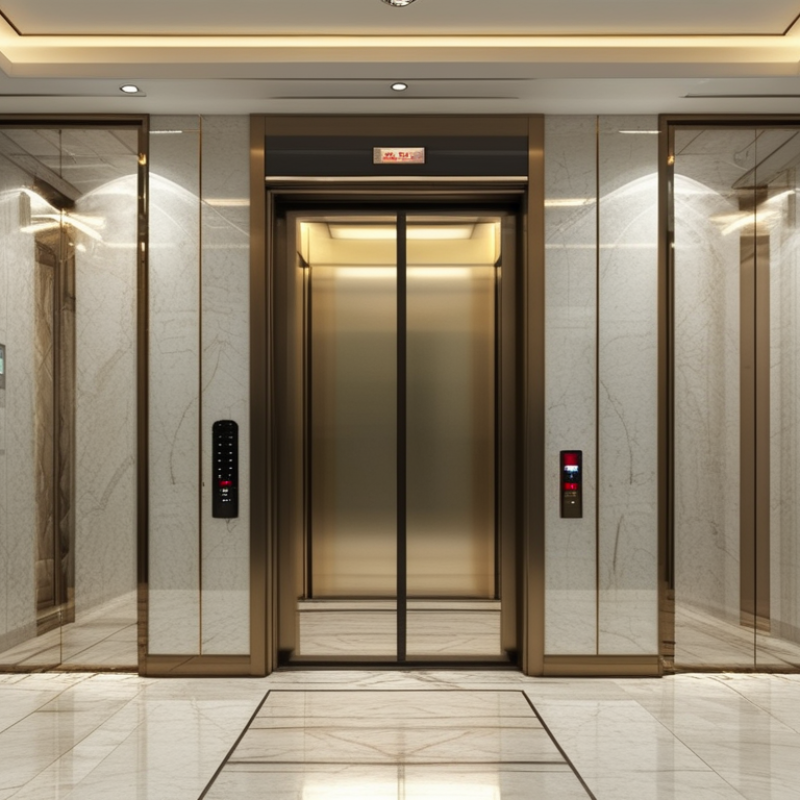
China Best Home Lift What Happens During a Power Outage?

How a Home Lift Responds When the Power Fails

China Best Home Lift: What Happens During a Power Outage?

When household power fails, a home lift usually stops safely between floors. Modern systems often include a backup battery for controlled emergency lowering. The lift moves to the nearest floor at reduced speed, then opens the doors. Some models lower automatically. Others need a manual rescue procedure. The exact response depends on the lift design, battery condition, and local safety requirements.

Inside the car, emergency lighting may switch on immediately. An alarm button or communication device can help passengers contact someone nearby. Do not force the doors open. Stay inside and follow the posted instructions. A trained technician should release trapped passengers when automatic lowering does not operate. In my experience, clear instructions reduce panic more effectively than complicated controls.

The battery is not an unlimited power source. It may support evacuation, but it usually cannot run normal service for hours. Regular inspections should test emergency lowering, door locks, alarms, and battery capacity. Battery performance can weaken before an obvious warning appears. That detail is easy to miss. A lift may look perfectly normal during daily use, yet respond poorly during a real outage. Keeping service records and arranging qualified maintenance makes the emergency response more predictable.

Safety Systems That Keep Passengers Protected

China Best Home Lift: What Happens During a Power Outage?

When household power fails, a well-designed home lift should stop safely, not drop suddenly. Mechanical brakes hold the car in place. Door interlocks remain engaged, preventing doors from opening between floors. This quiet pause may feel alarming, but controlled stopping protects passengers better than sudden movement.

Many modern systems include a battery-backed automatic rescue device. It moves the lift slowly to the nearest suitable floor, then opens the doors. Emergency lighting keeps the cabin visible. A backup alarm and two-way communication system help passengers contact someone outside. These details matter in a dark hallway, especially for older passengers or children.

A qualified technician should inspect the battery, brake, controller, and emergency lowering function regularly. Local safety requirements still apply. Batteries can weaken before they show obvious signs. No system is perfect. In real homes, maintenance records may be incomplete, and testing is sometimes postponed. That is where risk grows. Ask for a practical outage test, not only a brochure promise. Keep the emergency contact instructions inside the cabin, where they remain easy to read. During an outage, passengers should stay calm, avoid forcing the doors, and wait for trained assistance if automatic rescue does not operate.

Emergency Descent and Manual Release Options

China Best Home Lift: What Happens During a Power Outage?

When household power fails, many home lifts stop between floors. A backup battery may activate emergency descent. The lift usually moves slowly to the nearest landing, unlocks the doors, and switches on cabin lighting.

The passenger should press the alarm button, stay calm, and avoid forcing the doors. It can feel surprisingly quiet inside.

The U.S. Consumer Product Safety Commission reported about 10,200 elevator-related injuries treated in emergency departments annually between 2011 and 2021. That figure includes public and private elevators, not only residential units. It shows why emergency systems need regular testing. EN 81-41 and ASME A18.1 provide useful safety frameworks for platform lifts and private-residence lifting equipment.

If automatic descent does not work, a trained technician may use a manual release, handwheel, or controlled brake-release mechanism. This should never become a homeowner experiment. A technician first confirms the car position, secures the lift, and releases the landing door with approved equipment.

Opening a door beside an unseen shaft is extremely dangerous. Battery condition matters too. It can weaken quietly with age, heat, or poor maintenance.

An annual inspection should test descent distance, alarm communication, lighting, door locks, and battery capacity. I would not assume a newly installed lift is permanently prepared; emergency components still need documented checks.

Restoring Lift Operation After Power Returns

When power returns, a home lift should not immediately resume normal travel. The controller needs time to check voltage, door position, safety circuits, and battery status. In a well-maintained system, the lift may complete a short reset and return to its designated floor. A soft click from the control cabinet is common. Unexpected movement is not.

Stay calm. Do not force it.

Wait several seconds before pressing a call button. Keep passengers away from the landing doors until the lift confirms its position. If the cabin remains between floors, use the emergency communication device and follow the posted rescue instructions. Never pull doors open by hand. A trained technician should release passengers and inspect the equipment.

After a power return, a qualified technician should test the main supply, backup battery, door locks, brake function, alarm, and emergency lowering system. They should also check whether the outage caused a fault code or damaged a fuse. Local electrical and lift safety requirements should guide this inspection. Maintenance records provide useful evidence, especially when the interruption repeats.

Experience shows that many restart problems come from overlooked batteries or unstable household voltage. This is easy to underestimate. A lift may appear normal while its backup system is weak. Testing under controlled conditions is safer than assuming recovery. If the lift resets repeatedly, smells hot, makes unusual sounds, or stops unevenly, isolate it and arrange professional service before further use.

China Best Home Lift: What Happens During a Power Outage?

A home lift normally stops movement when mains power is interrupted. If emergency battery equipment is available, it can support essential functions such as controlled stopping, door release, alarm communication, and emergency lighting. After power returns, the lift completes safety checks before normal operation resumes.

The chart shows a typical restoration sequence in seconds after stable power returns. Actual timing depends on lift design, battery condition, building wiring, safety circuits, and local regulations.

Backup Power Choices for Home Lift Users

When the grid fails, a home lift may stop between floors or return to the nearest landing. Its behavior depends on the controller, battery, and emergency-lowering system. The U.S. Energy Information Administration reported about 5.5 hours of average customer interruptions in 2022, including major events. That figure shows why backup planning deserves attention.

A dedicated uninterruptible power supply can bridge short outages and support controlled landing. It is compact, quiet, and useful during brief voltage drops. For longer outages, a home battery system can power several lift cycles, but capacity must match motor load, starting current, and expected use. A standby generator offers extended runtime, yet it needs safe ventilation, a compliant transfer switch, and regular testing. Never assume a normal household socket is suitable. A qualified lift technician should confirm compatibility with the lift’s emergency circuit and local electrical requirements. The wrong battery may keep lights on but fail to move the car. That is an easy mistake to make.

Tips: Ask for a written backup-power test. Confirm how many trips are available. Test the lift with doors, alarms, and lighting active. Keep the manual release instructions nearby. EIA reliability data covers grid interruptions, not every building-specific failure. Your real risk may be higher. Recheck the system after renovations or battery replacement.

China Best Home Lift: What Happens During a Power Outage? – Backup Power Choices for Home Lift Users

Backup Power Choice What Happens During an Outage Typical Backup Capacity or Runtime Transfer or Activation Best Use Main Limitations
Emergency Lowering Battery The lift normally stops when the utility supply fails. A battery-powered control system can move the car to a designated floor, open the doors, and allow passengers to exit. Usually intended for one emergency trip rather than continuous operation. Battery size and performance depend on car load, travel height, motor type, and battery condition. Usually automatic within a few seconds, subject to the lift controller and safety circuit. Basic passenger release during a short power failure. It generally does not provide normal lift service or repeated journeys. The lift may remain unavailable until mains power returns.
Online or Double-Conversion UPS The UPS supplies conditioned electricity to compatible lift controls and, if correctly sized, may support a controlled journey during the outage. Common UPS battery autonomy is approximately 5–15 minutes at high load; longer autonomy requires additional battery modules and suitable ventilation. Typically provides no-break transfer because the inverter is already supplying the load. Sensitive control equipment and short interruptions where a certified lift-compatible system is specified. Many standard office UPS units cannot handle motor starting current, regenerative energy, or the required electrical protection for a lift.
Home Battery Energy Storage System A battery inverter isolates selected household circuits from the grid and supplies the lift if the lift controller, inverter, and changeover equipment are electrically compatible. Residential systems commonly range from about 5–20 kWh of stored energy. Actual lift runtime is lower after inverter losses, reserve capacity, and other household loads are considered. Usually transfers in a fraction of a second to several seconds, depending on the inverter and backup panel design. Multiple lift journeys and selected essential household circuits during longer outages. Requires professional load assessment, anti-islanding protection, correct earthing, and confirmation that the inverter can tolerate lift motor demand.
Standby Generator After the generator starts and reaches stable voltage and frequency, the lift can be supplied through an automatic transfer switch if the installation is designed for generator operation. Fuel-based generators can operate for many hours, depending on fuel type, fuel storage, rated output, and household demand. Commonly takes about 10–30 seconds to start and transfer, although the actual time varies by system. Extended outages where continued lift availability is important. Produces noise and exhaust gases, requires fuel and regular servicing, and must not operate in enclosed or poorly ventilated areas.
Manual Rescue or Lowering System The lift remains out of service. A trained and authorized person may use the approved rescue procedure to return the car to a safe landing. No independent operating runtime; it is a rescue method rather than a continuous backup supply. Manual intervention is required, and the procedure depends on the lift design and local safety rules. Situations where automatic backup power is unavailable or only emergency release is required. Passengers should not attempt manual rescue, open landing doors, or leave the lift without trained assistance.
Important selection note: Backup performance depends on the lift motor, rated load, travel height, starting current, controller, battery condition, inverter output, and local electrical regulations. A qualified lift technician and licensed electrician should confirm compatibility before installation. Emergency battery lowering is generally designed to release passengers safely, not to provide normal operation throughout a prolonged power outage.

FAQS

: What happens to a home lift during a power outage?

: It usually stops safely between floors. Mechanical brakes hold the lift in place. It should not drop suddenly.

Can the lift reach a floor without household power?

Many systems use a backup battery. The lift moves slowly to the nearest suitable floor, then opens its doors.

Will every home lift lower automatically?

No. Some systems need manual rescue procedures. The response depends on the design, battery condition, and local safety requirements.

What should passengers do inside the lift?

Stay calm and remain inside. Use the alarm or communication device. Do not force the doors open.

What safety features work during an outage?

Emergency lighting may turn on immediately. Door interlocks help prevent opening between floors. A backup alarm can contact people nearby.

How long can the backup battery operate the lift?

Usually, it supports emergency lowering only. It cannot normally provide regular service for several hours. Battery power is limited.

What happens if automatic rescue fails?

A trained technician should release trapped passengers. Do not climb out between floors. That action may create additional danger.

How can owners prepare for a power failure?

Arrange qualified maintenance and test emergency lowering regularly. Inspect the battery, brakes, door locks, alarms, and controller.

Can a lift appear normal but still have a weak emergency system?

Yes. Battery performance may decline without obvious warnings. This weakness is easy to overlook. Daily operation proves very little.

What information should stay inside the lift?

Keep emergency contact instructions clearly visible. Include simple steps, a phone number, and maintenance details. Clear wording can reduce panic.

Conclusion

What happens to a home lift during a power outage? In most cases, the lift stops safely and remains secured at its current position rather than moving unpredictably. Built-in safety systems can activate the brakes, prevent door movement while the car is between floors, and provide emergency lighting or communication support. Passengers should remain calm, use the alarm or assistance system if available, and avoid forcing the doors open.

Depending on the lift design, an emergency descent feature may lower the car to the nearest suitable floor using stored energy, allowing passengers to exit safely. Some systems also include a manual release option for trained personnel during an emergency. Once power is restored, the lift should complete a safety check before returning to normal service. Homeowners may also consider backup batteries, an uninterruptible power supply, or a household generator to support essential operation. Regular maintenance and professional inspections help ensure these safety and backup functions work when needed.

Aria

Aria

Aria is a dedicated marketing professional with a deep passion for innovative strategies and a keen understanding of our company's product offerings. With a wealth of experience in the industry, Aria excels at crafting engaging content that highlights the unique features and benefits of our......