Dave Lift Dave Lift

How to Choose Between a Platform Lift and a Cabin Lift?

Time:2026-04-03 Author:Madeline
0%

When considering mobility solutions, many individuals ask, "What is the difference between a platform lift and a cabin lift?" Each option presents unique benefits and potential drawbacks. According to a recent market analysis by IBISWorld, the global lift industry is projected to grow steadily, emphasizing the importance of informed choices in this sector. Both lifts cater to accessibility needs but serve different environments.

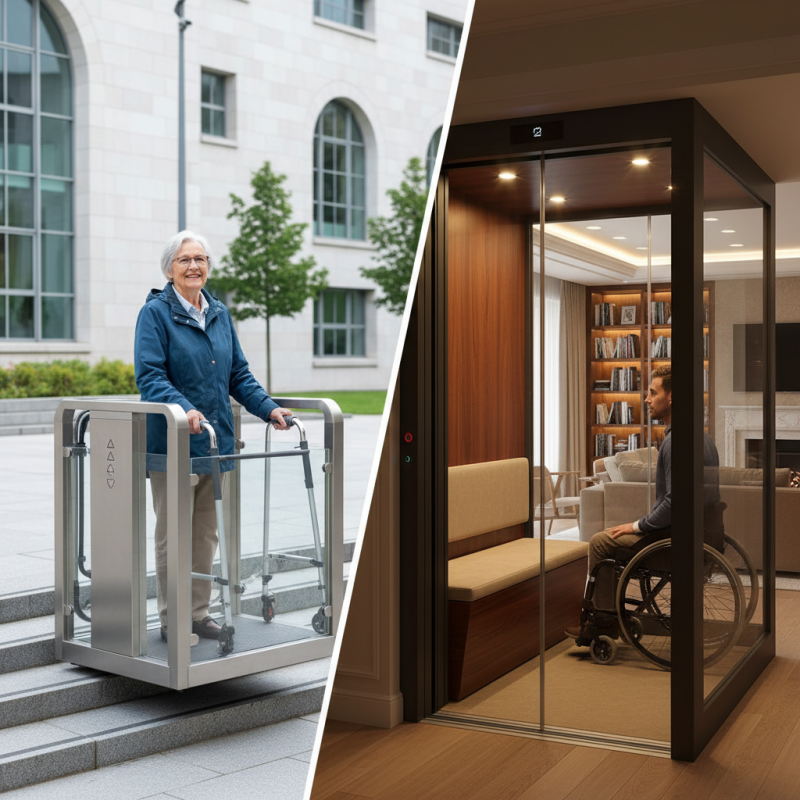
Platform lifts, often used in public spaces, provide a cost-effective solution for short distances. They are typically less expensive and require less space to install. In contrast, cabin lifts offer more comfort and security for users, making them ideal for residential settings. The choice ultimately hinges on the specific requirements of the site and the users.

Considering both options can lead to confusion. Experts suggest that thorough assessments of user needs and space constraints are essential. Statistics show that proper installation and maintenance of these lifts can lead to increased safety and user satisfaction. Making the right decision is critical and requires reflective thinking about long-term usage and functionality.
How to Choose Between a Platform Lift and a Cabin Lift?

Understanding the Key Differences Between Platform and Cabin Lifts

When selecting between a platform lift and a cabin lift, understanding their key differences is essential. Platform lifts are often ideal for accessibility, typically providing a simple means for individuals with mobility challenges to navigate obstacles. According to industry reports, around 70% of homeowners choose platform lifts for residential properties. They require less space and can be installed in various locations, making them versatile.

On the other hand, cabin lifts offer a more enclosed transportation experience. These units are often used in multi-story buildings and can handle heavier loads. Research suggests that cabin lifts typically have a lifespan of about 15 to 20 years, while platform lifts might require more frequent maintenance. The construction of cabin lifts can be more intricate, leading to higher installation costs, yet they deliver a level of comfort that many find worth the investment.

Choosing the right option depends on specific needs and preferences. For instance, a platform lift might suffice in a small home setting, while larger buildings might require the reliability of a cabin lift. It's critical to weigh factors such as space, usage, and budget. Ultimately, both types of lifts have advantages and drawbacks that merit careful consideration.

Evaluating the Space and Accessibility Needs for Your Lift Selection

When evaluating space and accessibility needs for your lift selection, it is crucial to consider the environment where the lift will be installed. Building layout, door widths, and available square footage all influence the decision. For tight spaces, a platform lift often fits better. They can be compact and easily installed in narrow areas. However, a cabin lift may be more suitable for larger buildings. It offers greater capacity and comfort for users, especially those requiring mobility aids.

Accessibility needs are equally important. If users have significant mobility challenges, a cabin lift provides greater stability and protection during travel. It can accommodate more passengers and equipment, such as wheelchairs. On the other hand, a platform lift excels in straightforward accessibility for quick transport between levels. Before making a decision, ensure to assess the flow of movement within the space. Some might overlook this, leading to inefficient designs that hinder user experience. Testing different scenarios can also reveal potential setbacks. Would the chosen lift create bottlenecks during busy periods? Such reflections help refine your choice.

How to Choose Between a Platform Lift and a Cabin Lift?

Lift Type Space Requirement Accessibility Features Weight Capacity Installation Cost
Platform Lift Minimal space, ideal for narrow areas Suitable for wheelchair users, easy access Up to 400 kg Lower than cabin lifts
Cabin Lift Requires more space, larger footprint Enclosed with doors, enhanced privacy Up to 1000 kg Higher installation cost
Choosing Factor Consider available space Assess user needs for accessibility Match capacity to usage Budget considerations

Comparative Costs: Platform Lifts vs. Cabin Lifts and Maintenance Expenses

When considering platform lifts and cabin lifts, cost is a significant factor. Platform lifts are generally less expensive to install compared to cabin lifts. The initial investment for platform lifts can be a third less than their cabin counterparts. This makes platform lifts appealing for budget-conscious projects. However, the maintenance costs may vary.

Regular maintenance for platform lifts tends to be simpler, leading to lower ongoing expenses. In contrast, cabin lifts often require more frequent servicing due to their complex mechanisms. These additional costs can accumulate over time, impacting overall budget considerations. For instance, cabin lifts may need more expensive parts or specialized labor, increasing long-term expenses.

Evaluate your space requirements too. Platform lifts have a smaller footprint and can fit in tight areas. Cabin lifts provide an enclosed space but require larger structural changes during installation. Balancing these factors can be challenging. It’s vital to anticipate long-term goals and how these lifts will serve your needs over time. Reflecting on these nuances can greatly influence your decision-making process.

Comparison of Platform Lifts and Cabin Lifts

Safety Standards and Regulations in Platform and Cabin Lift Installations

When choosing between a platform lift and a cabin lift, understanding safety standards is crucial. Safety regulations vary widely. For example, the American Society of Mechanical Engineers (ASME) established ASME A18.1, focusing on platform lifts. This guide emphasizes strict adherence to safety protocols, ensuring reliable operation.

In contrast, cabin lifts follow the European Lift Directive (2014/33/EU). This regulation mandates stringent testing for operational safety and reliability. According to a recent safety report, nearly 30% of accidents arise from non-compliance with these standards. Regular inspections and maintenance are essential to minimize risks.

Both lift types require specific safety features. For platform lifts, safety edges and emergency lowering systems are vital. Cabin lifts must have robust backup power systems and emergency brakes. Ignoring these requirements could lead to significant safety issues. The industry's collective responsibility involves continuous education on compliance. Reducing accident rates and enhancing user safety is a shared goal.

Analyzing User Demographics: Selecting the Right Lift for Your Audience

When selecting a lift, understanding user demographics is key. Different age groups and abilities influence lift choice. For instance, families with young children may prefer a platform lift. This option is easier for strollers and luggage. It also minimizes the risk of accidents.

Alternatively, elderly users or individuals with mobility challenges might benefit from a cabin lift. This option provides more space and comfort. A cabin lift often includes features like handrails and automated doors. However, it can take up more physical space. This may restrict choices for smaller buildings.

Every audience has unique needs. Assessing user demographics helps in making an informed decision. Yet, relying solely on these factors can lead to oversight. It might appear convenient to choose based on population trends. But personal experiences and specific requirements should never be ignored. Balancing both viewpoints ensures the best lift selection.

FAQS

: What factors influence lift selection regarding space?

: Building layout, door widths, and available square footage play crucial roles in choosing a lift.

What is suitable for tight spaces?

A platform lift often fits better in narrow areas due to its compact design.

When is a cabin lift more appropriate?

A cabin lift is suitable for larger buildings, offering greater capacity and user comfort.

How does user mobility affect lift choice?

Users with significant mobility challenges benefit from cabin lifts, which provide stability and accommodate more equipment.

What should be assessed before lift selection?

Assessing the flow of movement within the space is vital to avoid inefficient designs.

Are platform lifts cost-effective?

Yes, platform lifts are generally less expensive to install and maintain than cabin lifts.

Do maintenance costs differ between lift types?

Yes, platform lifts have lower ongoing expenses, while cabin lifts may incur higher maintenance costs.

What structural changes are needed for a cabin lift?

Cabin lifts typically require larger structural changes during installation compared to platform lifts.

How can future needs influence lift selection?

Anticipating long-term goals helps determine how well the lift will serve your needs over time.

Why is scenario testing important?

Testing different scenarios can reveal potential setbacks, improving the overall user experience.

Conclusion

When deciding between a platform lift and a cabin lift, understanding their key differences is crucial. What is the difference between a platform lift and a cabin lift? Platform lifts are typically open and designed for wheelchair access, making them ideal for spaces where visibility and space-saving are paramount. In contrast, cabin lifts are enclosed and offer more privacy and aesthetic appeal, suitable for residential or public buildings requiring a more traditional lift experience.

Evaluating space and accessibility needs is essential to determine which lift fits best. Additionally, costs and maintenance expenses vary significantly, with platform lifts generally being more cost-effective. Safety standards and regulations also play a vital role in lift installations, ensuring user safety. Finally, understanding user demographics will guide your choice, ensuring that the lift meets the specific needs of its intended audience.

Madeline

Madeline

Madeline is a dedicated marketing professional with a wealth of expertise in our company's core offerings. With a keen understanding of the industry, she brings a unique perspective to her role, consistently delivering high-quality content that highlights the superior aspects of our products. As......