Choosing the right lift for a small villa can seem overwhelming. It’s crucial to select one that suits your needs and enhances your space. Industry expert Dr. James Whitaker, who specializes in home accessibility solutions, notes, "A well-chosen lift can transform your villa into a more functional and stylish living environment."
When considering the options, start by assessing your villa's layout. A compact lift can fit into narrow spaces, yet still provide essential access. Pay attention to weight limits, as this affects how many passengers it can accommodate. While aesthetics matter, functionality should be your priority.
Don't overlook the importance of professional installation. Mistakes during this phase can lead to costly adjustments later. Also, it's vital to evaluate local regulations that might impact your decision. Reflect on what features matter most to you. Whether it's energy efficiency or advanced safety measures, each choice affects your overall satisfaction with the lift. Ultimately, understanding how to choose the right lift for a small villa will elevate your home’s comfort and accessibility.
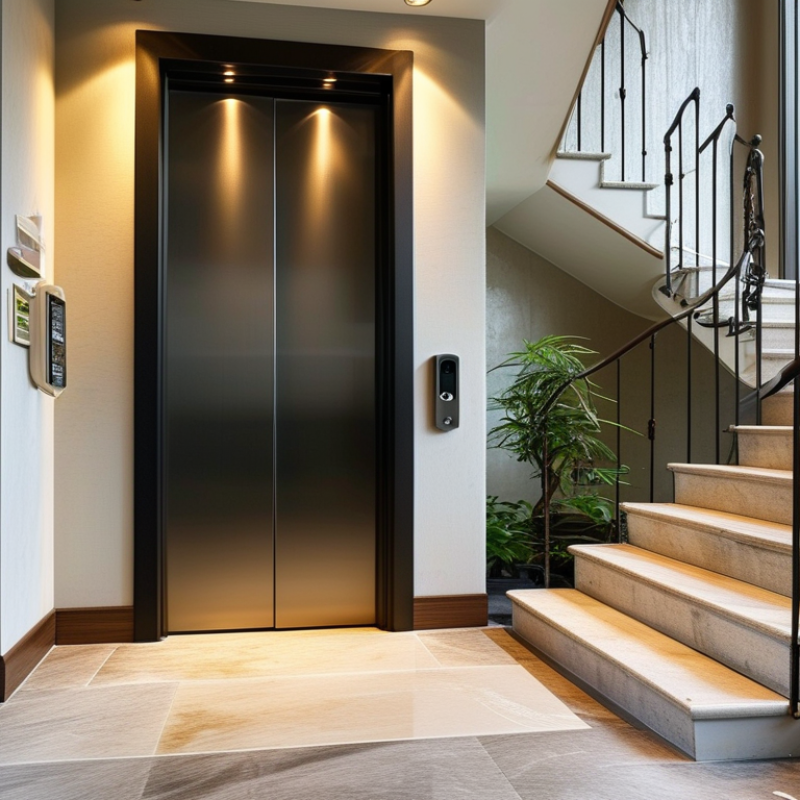
Factors to Consider When Selecting a Lift for Your Small Villa
Choosing a lift for your small villa involves multiple factors. First, consider space constraints. According to a report by the National Association of Home Builders, many homeowners underestimate the footprint required for a lift. Most compact elevators need at least 15 square feet of space, which may limit options in smaller homes. An inefficient layout can lead to significant loss of living area.
Next, evaluate the weight capacity and design. Residential lifts typically support between 400 to 1,000 pounds. If you plan to transport heavy items or require accessibility for individuals with mobility challenges, selecting a model with higher capacity is essential. Additionally, the design must complement your villa’s aesthetic. A lift that disrupts the overall look can lead to regrets later.
Maintenance is another crucial factor. Studies show that residential lifts require regular check-ups every 12 to 18 months, which can lead to additional costs. Homeowners often neglect this aspect, resulting in unexpected breakdowns. Exploring reliable contractors for repairs is vital for long-term ownership. Balancing initial investment with future upkeep is essential in making a wise choice.
Types of Lifts Suitable for Small Villas
When selecting a lift for your small villa, consider the types available that suit your space and style. A compact residential lift is popular. These lifts often occupy minimal space and can fit within existing stairways. They come in various designs, ensuring they blend beautifully with your villa's aesthetics.
Another option is the platform lift, ideal for homes with mobility challenges. These lifts can transport individuals with ease. They take up less room and can be installed both indoors and outdoors. A well-designed platform lift ensures safety but may require maintenance, making regular checks essential.
Pneumatic lifts are also gaining attention. They use air pressure for movement. This type of lift can be a conversation starter due to its unique operation. Yet, installation requires professional knowledge, which can add to your project timeline. While choosing, it's essential to weigh convenience against the potential costs and upkeep of each lift type.
Space Requirements and Installation Considerations
When choosing a lift for your small villa, understanding space requirements and installation considerations is crucial. Experts indicate that residential elevators often require a minimum shaft size of 4 x 4 feet. This size is essential for compact models and promotes ease of installation. However, many villas may not accommodate such dimensions without significant renovations.
Weight capacity is another important factor. Most home lifts support up to 500 pounds, ideal for multiple users or transporting goods. Be mindful, though, that actual available space can sometimes limit the lift’s installation. A survey from the National Association of Home Builders reveals that 30% of homeowners face challenges when integrating elevators into existing layouts. Planning for future mobility needs is vital in these scenarios.
Installing a lift also involves electrical considerations. Lifts typically need a dedicated circuit, and access to power can be an obstacle. It's worth noting that local building codes differ across regions, affecting installation feasibility. Understanding these regulations requires time and research. Improper installations can lead to safety hazards, increasing costs down the road. These complexities emphasize the importance of thorough planning.
How to choose the best lift for your small villa? - Space Requirements and Installation Considerations
| Lift Type |
Space Requirements (L x W x H) |
Installation Considerations |
Max Load Capacity |
Power Source |
| Hydraulic Lift |
1.4m x 1.0m x 2.2m |
Requires a machine room; needs adequate clearance. |
Up to 400 kg |
Electric |
| Screw Lift |
1.2m x 0.8m x 2.1m |
No machine room required; good for tight spaces. |
Up to 250 kg |
Electric |
| Stair Lift |
N/A |
Ideal for stairs; easy to install. |
Up to 150 kg |
Battery operated |
| Capsule Lift |
1.0m x 1.0m x 2.4m |
Requires a modern aesthetic; minimal installation space. |
Up to 300 kg |
Electric |
Budgeting for Your Villa Lift: Costs and Savings
When budgeting for a lift in your small villa, costs can vary significantly. The average installation cost ranges from $15,000 to $25,000. Factors influencing these costs include lift type, materials, and installation complexity. A hydraulic lift might cost more due to additional components.
It’s important to consider ongoing maintenance costs, which can be around 5% of the installation cost annually. Research from the National Association of Elevator Contractors indicates that proper maintenance can extend the lift's lifespan significantly. Additionally, energy-efficient models can reduce electricity bills by approximately 30%.
Homeowners should reflect on long-term savings. While the upfront cost seems high, lifts can increase property value. According to a report from HomeAdvisor, homes with elevators can see a value increase of up to 10%. This investment not only enhances accessibility but can also make your villa more appealing to potential buyers.
Maintenance Tips for Your Small Villa Lift
Keeping a small villa lift in good condition requires regular attention. Inspecting the lift's components, such as cables and doors, is essential. Look for any signs of wear. Lubricating moving parts can prevent wear and tear, extending the lift's lifespan. Create a weekly check routine that includes cleaning the lift and its surrounding area.
Pay attention to the lift's user manual. It often contains valuable maintenance instructions tailored to your specific model. Schedule professional inspections at least once a year. Having experts assess your lift can identify hidden issues. This proactive approach minimizes potential breakdowns.
While you might notice minor inconveniences, like odd noises or slow movements, do not ignore them. Each small issue could signal a larger problem. Ensuring a responsive lift is crucial for safety and convenience. Trust your instincts—if something seems off, seek help. Regular maintenance not only enhances performance but also ensures a safer experience for all users.
FAQS
: Compact residential lifts and platform lifts are popular choices for small villas.
A minimum shaft size of 4 x 4 feet is generally required for proper installation.
A platform lift helps individuals with mobility challenges and can be installed indoors or outdoors.
Pneumatic lifts use air pressure and can be unique but require professional installation and knowledge.
Installation costs typically range from $15,000 to $25,000, depending on the lift type and materials used.
Maintenance costs are about 5% of the installation cost annually, which is important to budget for.
Yes, lifts can increase property value by up to 10%, making your villa more attractive to buyers.
Some may struggle with space, existing layout, or electrical access, creating potential safety hazards.
Yes, local building codes differ and can impact installation requirements and feasibility.
They can reduce electricity bills by about 30%, leading to long-term savings.
Conclusion
When considering how to choose the right lift for a small villa, several important factors come into play. Firstly, it's essential to assess the specific needs of the villa, including the intended use of the lift, the number of occupants, and the design aesthetics. Different types of lifts, such as hydraulic or electric models, may be more suitable depending on space and layout configurations. Space requirements must be carefully evaluated to ensure a smooth installation process without compromising the villa's overall design.
Budgeting is another crucial aspect when selecting a lift, as costs can vary significantly based on the type and features of the lift. Homeowners should also consider potential savings in energy and maintenance expenses over time. Additionally, regular maintenance tips can enhance the longevity and functionality of the lift. Ultimately, a thoughtful approach to these considerations will greatly aid in choosing the best lift for a small villa.
 Dave Lift
