 Dave Lift
Dave Lift
Dave Lift
Choosing the right home lift for elderly care is crucial. Safety is a priority for families and caregivers. Statistics show that over 60% of falls among elderly people occur in the home. This alarming data highlights the need for effective solutions. One question arises: "Which type of home lift is the safest for elderly?"
The market for home lifts has grown significantly in recent years. Many models now cater specifically to the needs of seniors. However, not all lifts are created equal. Features like anti-slip floors, reliable braking systems, and emergency protocols are essential for safety. Reports indicate that lifts with advanced safety certifications reduce the risk of accidents by up to 40%.
When selecting a home lift, consider user-friendly controls and adequate space. Even then, families must remain vigilant. Not every lift is suitable for each home layout. The uniqueness of every home means that what works for one may not work for another. Therefore, thorough research and expert advice are key elements in this decision-making process.
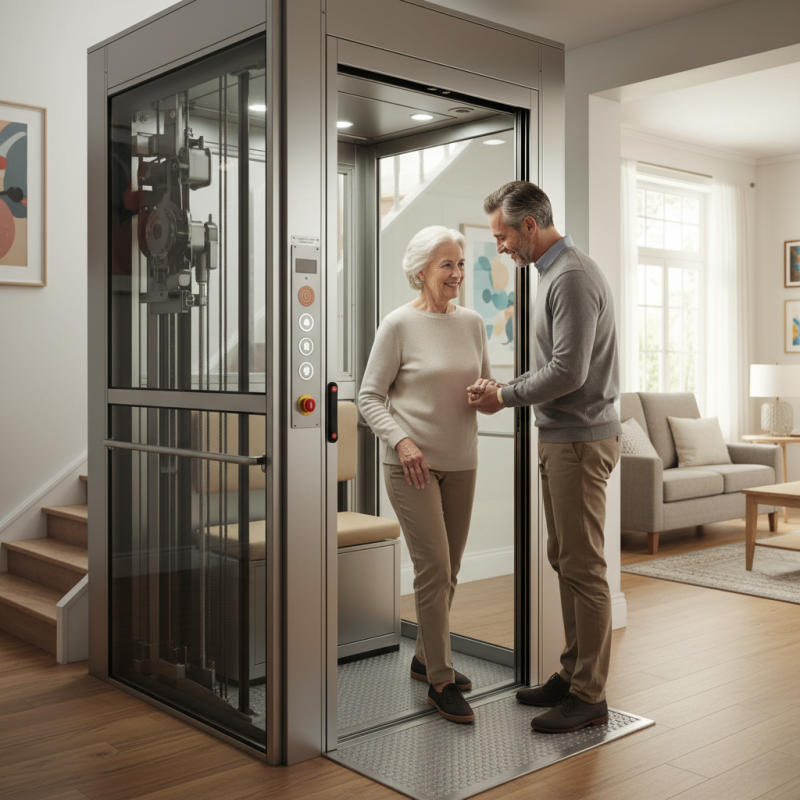
Home lifts play a crucial role in elderly care. Many seniors face mobility challenges at home. Climbing stairs can be unsafe and daunting for them. A well-designed home lift offers a safer option. It minimizes the risk of falls and injuries. Additionally, it promotes independence, allowing elderly individuals to move freely throughout their homes.
When selecting a home lift, safety features are paramount. Look for models that include sensors and automatic brakes. These features ensure the lift operates smoothly. Noise levels should also be considered, as loud machinery can be startling for some seniors. Regular maintenance check-ups are essential for reliability. A lift can fail without proper care, posing risks to users.
Choosing the right home lift requires thoughtful consideration. User-friendliness is another important factor. A lift should be easy to operate for both seniors and caregivers. Understanding individual needs is key. Each elderly person may have different requirements. Engage them in the decision-making process. Their comfort and confidence in using the lift matter significantly.
| Feature | Description | Importance Level |
|---|---|---|
| Weight Capacity | The maximum weight the lift can safely carry. | High |
| Safety Features | Includes emergency stop, sensors, and safety brakes. | Critical |
| Ease of Use | Simple controls designed for seniors. | High |
| Installation Space | Requirements for the space where the lift will be installed. | Moderate |
| Reliability | How often the lift is expected to operate without issues. | Very High |
| Cost | Overall price including installation and maintenance. | Moderate |
: Inclined platform lifts accommodate wheelchairs. Vertical lifts are good for those who can stand.
Safety features like emergency stops and sensors prevent accidents. Users feel safer with robust safety measures.
Installation can be complex. Limited home space may complicate the process significantly.
Providing training is essential. A lift may appear easy, but not everyone finds it simple to use.
Regular checks identify potential issues early. Maintenance keeps the lift safe and improves user comfort.
Easy access to customer service is vital. Quick responses show commitment to reliability and user satisfaction.
Service technicians may not be readily available everywhere. This can complicate urgent repair situations significantly.
Ask about the warranty to understand future repair coverage. This clarity can provide peace of mind.
When selecting a home lift for elderly care, it's essential to understand the critical role these lifts play in enhancing mobility and safety in the home. Key safety features to prioritize include emergency stop buttons, non-slip surfaces, and reliable door mechanisms. Moreover, when considering "which type of home lift is the safest for elderly," evaluating options such as platform lifts or through-floor lifts is crucial, as different designs cater to varying needs and environments.
Additionally, it's vital to assess installation requirements and space considerations to ensure the lift fits seamlessly into the home. Regular maintenance and responsive after-sales support are also important aspects that contribute to the long-term safety and functionality of the home lift. By carefully considering these factors, caregivers can make informed decisions that promote the well-being and independence of the elderly in their homes.
