Dave Lift Dave Lift

Why Clean and Maintain a Sightseeing Glass Elevator?

Time:2026-11-09 Author:Charlotte
0%

A sightseeing glass elevator turns an ordinary ride into a view of the building, city, or landscape. Its transparent panels, bright reflections, and visible moving parts are part of the visitor experience. They also make dust, fingerprints, water spots, and smudges hard to miss. Even a clean-looking cabin can hide dirt around door edges, handrails, and floor tracks.

Regular care protects more than appearances. Abrasive cloths or unsuitable cleaners may scratch glass, damage coatings, or leave cloudy marks. Missed warning signs, such as unusual noise or a door that moves unevenly, also deserve attention. A cleaning routine cannot replace technical inspections. Small details matter.

How to clean and maintain a sightseeing glass elevator depends on its design, materials, and manufacturer’s instructions. A reliable plan uses approved products, soft lint-free cloths, and clear procedures for safely restricting access during cleaning. Staff should check visible surfaces and report damage, loose fittings, leaks, or changes in operation to qualified maintenance personnel. They should never reach into moving equipment or attempt repairs outside their training.

Good records help teams spot recurring problems, such as fingerprints returning quickly near a busy entrance or water marks appearing after rain. Cleaning frequency may need to change with visitor numbers and local conditions. Checklists help, but they can miss corners when rushed. That is worth reviewing. Careful cleaning, prompt reporting, and scheduled professional servicing keep the elevator welcoming and help preserve its safe, dependable operation.
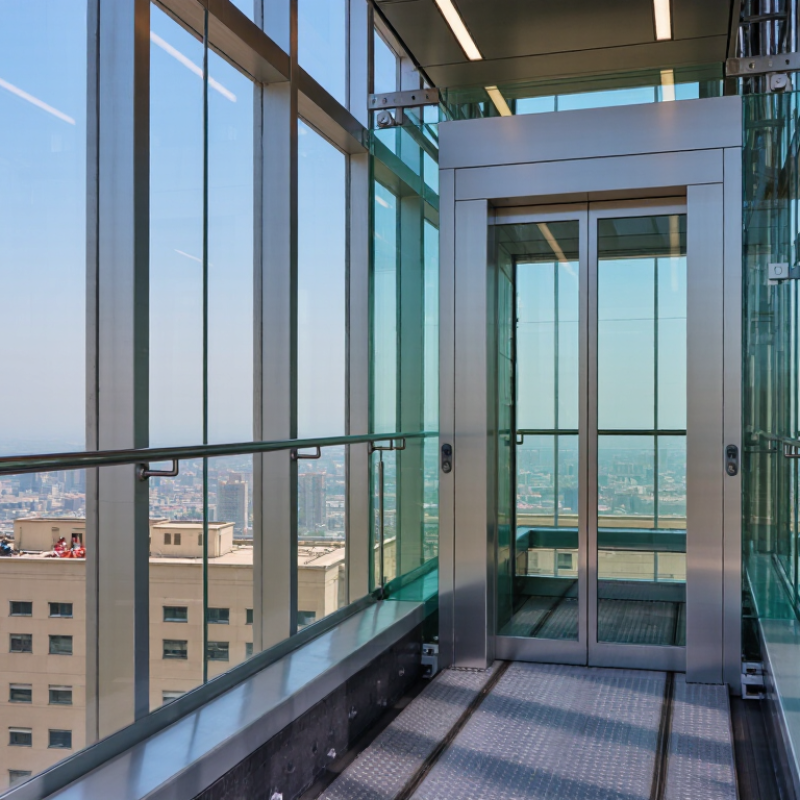
Why Clean and Maintain a Sightseeing Glass Elevator?

Purpose of Cleaning and Maintaining a Sightseeing Glass Elevator

Cleaning a sightseeing glass elevator protects visibility, comfort, and the equipment hidden behind its polished surfaces. Fingerprints, dust, and dried rain can quickly cloud panoramic panels. Grit in door tracks may also interfere with smooth movement. Small marks matter. Clean with non-abrasive materials, and never spray liquid directly onto sensors, switches, or electrical fittings. A spotless cabin is not the whole story.

Maintenance checks help identify loose fittings, damaged seals, unusual door movement, and changes in ride quality before they become bigger problems. Trained elevator technicians should inspect mechanical and electrical components; cleaning staff should not enter restricted machinery areas.

The 2023 Global Status Report for Buildings and Construction, published by UNEP and GlobalABC, estimates that buildings and construction use 34% of global energy and produce 37% of energy- and process-related carbon emissions.

Those figures describe the whole sector, not elevators alone. Still, they underline why efficient building equipment deserves regular care. The International Energy Agency’s 2023 buildings analysis also highlights buildings’ substantial share of global energy use and emissions.

Keep a written log of cleaning and service visits, including recurring smears, water marks, or door delays. It may seem fussy. Yet those small notes can help technicians spot patterns and plan targeted repairs.

Key Components That Require Regular Care

A sightseeing glass elevator depends on more than clean panels. Inspect the glass for chips, loose fittings, and cloudy edges that may signal failed seals. Wipe surfaces with a non-abrasive cleaner and soft cloth; grit can leave fine scratches. Small details matter. Check seals and frame joints for gaps where rainwater or dust can collect. Water leaves clues.

Guide rails and door tracks need careful attention. Dust, leaves, and small stones can obstruct movement or cause rough travel. Technicians should check rollers, alignment, and door sensors during scheduled service. Never force a sticking door. The drive system, cables, brakes, and emergency communication equipment also require inspection by qualified elevator professionals. Listen for new vibration or unusual sounds, and report changes promptly rather than waiting for a scheduled visit.

Drainage around the shaft and pit deserves regular checks, especially after heavy rain. Standing water can damage components and create difficult-to-see problems. Keep a maintenance log with dates, observations, and repairs. Keep records. A checklist helps, though it can become a box-ticking habit if staff stop noticing changes. Pair routine cleaning with close observation, and follow the elevator’s service instructions for inspection intervals.

Step-by-Step Cleaning of Glass and Interior Surfaces

A sightseeing glass elevator is part of the view, so fingerprints, dust, and cleaning streaks are easy to notice. Before cleaning, follow the site’s operating procedure and arrange for authorized staff to take the car out of service. Set barriers around the work area. Check the glass and interior for chips, loose fittings, or other damage, and report concerns before continuing. Small details matter.

Remove loose dust with a clean, soft microfiber cloth. Prepare a glass cleaner approved for the elevator’s surfaces, applying it to the cloth rather than spraying near buttons, sensors, or electrical fittings. Wipe the glass in overlapping strokes, using light pressure and a dry cloth to buff away residue. Clean one panel at a time, and check it from several angles; sunlight can reveal streaks that indoor lighting hides. Let it dry.

For interior surfaces, use separate cloths for handrails, wall panels, and control areas. Choose a compatible cleaner, and never let liquid collect around seams or controls. Follow the site’s hygiene and equipment guidance, especially for frequently touched surfaces. Finish by checking corners, door glass, and the floor, then remove barriers only when the area is safe and the elevator is ready for service. A faint haze may persist on older glass; review the cleaner and cloth before repeating the process, rather than scrubbing harder.

Routine Inspections and Preventive Maintenance Tasks

A sightseeing glass elevator needs more than a polished exterior. During routine checks, trained staff can look for scratches, loose seals, cracked panels, and moisture near glass joints. A flashlight helps reveal chips that overhead lighting can hide. Clean surfaces with a non-abrasive cloth and a cleaner approved for the glass and nearby finishes. Avoid spraying liquid into door tracks or electrical openings. Look closely.

Check door movement, floor leveling, buttons, lighting, and emergency communication according to the site’s maintenance plan. Note unusual vibration, delayed doors, or new sounds, even when the elevator still runs normally. These small changes can point to wear. Keep a dated inspection log, including the problem, action taken, and any follow-up needed. It is easy to record a repair and forget to confirm it stayed resolved.

Preventive service should follow the equipment maker’s instructions and be performed by qualified elevator technicians. They can inspect brakes, drive components, safety circuits, door interlocks, and other parts that routine cleaning cannot assess. Inspection intervals vary with usage, environment, and equipment condition. A busy coastal building, for example, may need closer attention to salt residue and corrosion. Don’t guess. Keep access areas clear, report faults promptly, and take an elevator out of service when a qualified professional identifies a safety concern.

Safety Standards and Maintenance Scheduling

A sightseeing glass elevator turns every ride into a view, but its transparent surfaces can make small faults easier to overlook. The National Elevator Industry, Inc. estimates that U.S. elevators carry about 18 billion passenger trips annually. That volume makes planned inspection more dependable than waiting for a complaint. Glass panels, frames, door edges, and floor landings need checks for cracks, loose fixings, corrosion, and water intrusion.

Maintenance schedules should follow the applicable safety code, equipment instructions, and local authority requirements. ASME A17.1/CSA B44 and EN 81-20/50 provide widely used safety frameworks, but inspection intervals vary by location and equipment. A qualified technician should examine door interlocks, braking, leveling, emergency communication, and other safety devices at scheduled intervals. Keep dated service records, note repeat faults, and document corrective work. A clean surface is not proof of safe operation.

Between technical visits, trained building staff can report unusual vibration, delayed doors, uneven stopping, or condensation around glass joints. They should not adjust safety equipment. That boundary matters. Cleaning teams should use suitable materials and avoid flooding tracks or control areas. A missed mark on a checklist is possible; reviewing recurring defects helps catch patterns before they become routine.

FAQS

Why should a glass sightseeing elevator be cleaned regularly?

Fingerprints, dust, and dried rain can cloud the view. Grit in door tracks may also affect smooth movement.

What should staff use to clean glass panels?

Use non-abrasive materials and suitable cleaning products. Never spray liquid directly onto sensors, switches, or electrical fittings.

Does a spotless cabin mean the elevator is safe?

No. Clean surfaces do not reveal every mechanical fault. Small cracks, loose fittings, or delayed doors still need attention.

Which parts should technicians inspect?

Qualified technicians should check door interlocks, braking, leveling, emergency communication, and other safety devices. They should also examine glass joints and door edges.

How often should maintenance take place?

Follow the applicable safety code, equipment instructions, and local requirements. Inspection intervals vary by location and elevator.

What warning signs can building staff report?

Report unusual vibration, delayed doors, uneven stops, or condensation around glass joints. Do not adjust safety equipment.

What details belong in a service log?

Record cleaning and service dates, recurring smears, water marks, door delays, and repairs. Small notes may reveal a pattern.

Can a checklist prevent every missed problem?

No checklist is perfect. Reviewing repeated defects can help, though a missed mark is still possible. Small details matter.

Conclusion

How to clean and maintain a sightseeing glass elevator begins with understanding why regular care matters: clean surfaces preserve clear views, while preventive maintenance supports reliable operation and passenger comfort. Attention should extend beyond the glass to doors, frames, handrails, floors, controls, lighting, and other frequently touched or moving components.

A careful cleaning routine uses suitable, non-abrasive materials and follows a consistent top-to-bottom process for glass and interior surfaces. Routine inspections should check for visible damage, unusual noises, door problems, and signs of wear, with qualified technicians addressing mechanical or electrical concerns. A scheduled maintenance plan, guided by the elevator’s operating conditions and applicable safety standards, helps identify issues early and keep the elevator clean, comfortable, and dependable.

Charlotte

Charlotte

Charlotte is a seasoned marketing professional with a deep understanding of the company's portfolio and a passion for elevating its presence in the market. With a keen eye for detail and a commitment to excellence, she ensures that our professional blog is regularly updated with insightful articles......