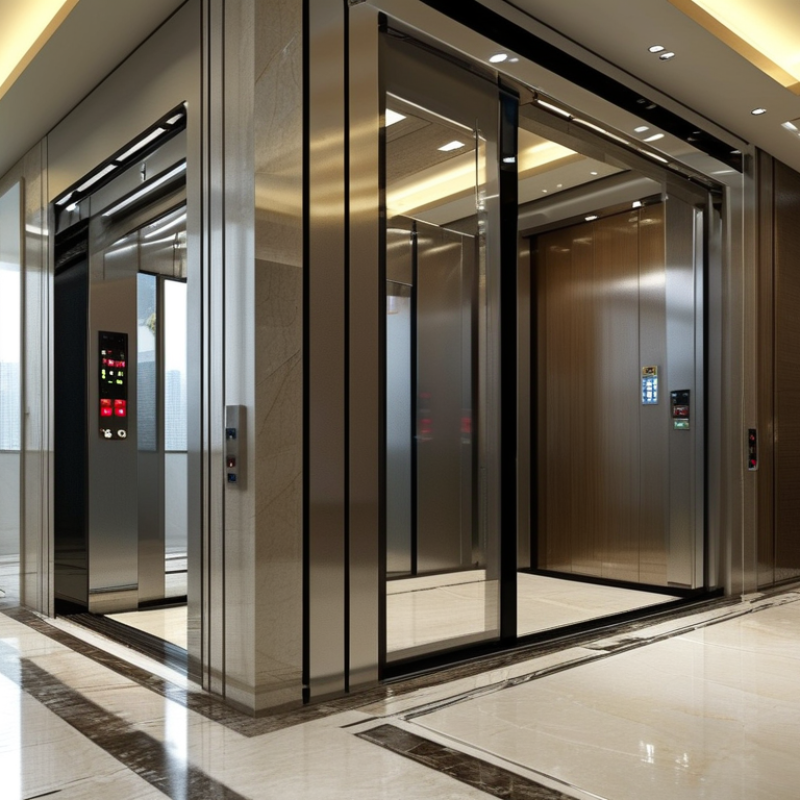
Installing a home lift can significantly enhance accessibility and convenience. However, many homeowners often ponder, "How much does a home lift cost to install?" Industry reports indicate that the average installation cost ranges from $20,000 to $50,000. Factors such as lift type, home structure, and location affect pricing.
Moreover, homeowners can consider several ways to save on the initial investment. Opting for a pneumatic lift may offer a cost-effective alternative to traditional models. Regular maintenance also plays a crucial role in ensuring the lift operates efficiently over time, potentially lowering long-term costs.
As with any home improvement, it is essential to make informed decisions. Engaging with professionals can provide insights into the best options available. Understanding the investment required and the potential returns on accessibility can make all the difference for homeowners considering this addition.
Factors Influencing the Cost of Installing a Home Lift
When considering a home lift, several factors influence installation costs. On average, the price of a residential lift can range from $20,000 to $50,000. This wide range often depends on specific needs and choices. For instance, the type of lift—hydraulic or pneumatic—significantly affects the initial investment. Hydraulic lifts typically cost more yet offer better lifting capacity.
The installation site also plays a role. Homes with limited space may require custom designs. This customization often carries additional costs. Furthermore, accessibility requirements can impact the overall expense. According to the International Association of Elevator Engineers, nearly 25% of installation costs come from necessary electrical upgrades and structural modifications. These changes might not be apparent at first, but they are crucial for safety and functionality.
Beyond these factors, ongoing maintenance is essential and can add to the long-term cost. Regular checks are vital for safety, especially for homes with elderly or disabled residents. While some homeowners may overlook maintenance, neglecting it can lead to higher repair bills. Investing in a quality lift is wise, but being aware of hidden costs fosters a better understanding for potential buyers.
Types of Home Lifts and Their Cost Implications
When considering a home lift, it's essential to understand the types and their cost implications. Common options include hydraulic lifts, which can range from $20,000 to $40,000, depending on the installation specifics. Vacuum lifts are another choice, costing between $25,000 and $50,000. While these options may seem pricey, they often enhance accessibility and property value.
To save costs, consider opting for a modular lift. These lifts can be simpler to install and may reduce labor expenses. Another tip is to consult with multiple contractors. Gathering several quotes can lead to competition, potentially lowering the final price.
Interestingly, the home lift market is growing due to an aging population and increased focus on accessibility. According to industry reports, the demand for home elevators is expected to rise by 12% annually. This growth reflects a broader trend toward creating age-friendly homes. However, it's crucial to weigh your needs against the costs. An analysis of your space and budget can lead to better choices in the long run.
Average Installation Costs and Budget Considerations
Installing a home lift can significantly improve accessibility. However, the average costs can vary widely. In the U.S., installation costs typically range between $20,000 and $40,000. Factors influencing price include lift type, installation complexity, and home structure. Understanding these costs is crucial for budget planning.
Homeowners should also consider additional expenses. Permit fees generally add $500 to $2,000 to the overall budget. Ongoing maintenance costs average around $100 to $300 annually. When planning, it's essential to factor in these ongoing expenses to avoid surprises later on. Many reports from industry experts highlight the importance of thorough budgeting.
Saving money on installation is possible. Researching local contractors can help identify competitive pricing. Obtaining multiple quotes lets homeowners compare services. Some might even consider DIY options, though this can be risky. It's essential to balance cost-saving methods with safety and quality assurance. Lack of professional installation could lead to higher future expenses.
Effective Tips to Save Money on Home Lift Installation
When considering a home lift installation, understanding the costs can be daunting. According to industry reports, the average installation cost ranges between $20,000 and $40,000. This significant investment can be influenced by various factors, such as lift type and installation complexity. Homeowners can often feel overwhelmed by these numbers, but there are strategies to help curb expenses.
One effective way to save money is to research local contractors. Often, rates vary significantly based on location and experience. A recent study found that getting at least three quotes can reduce costs by an average of 15%. Additionally, timing your installation can be crucial. Off-peak seasons may lead to discounts, as contractors look to maintain steady work. Planning ahead can also minimize rush fees.
Consider the type of lift as well. Pneumatic lifts, while appealing, often come with higher installation costs. In contrast, hydraulic lifts might provide a more budget-friendly option without sacrificing functionality. Homeowners sometimes overlook maintenance when budgeting for lifts. Regular maintenance can prevent costly repairs down the line, emphasizing the importance of planned upkeep.
How Much Does It Cost to Install a Home Lift? Tips to Save - Effective Tips to Save Money on Home Lift Installation
| Cost Factor |
Estimated Cost ($) |
Tips to Save |
| Basic Home Lift |
3,000 - 10,000 |
Consider a used lift or a simpler model |
| Installation Costs |
1,000 - 5,000 |
Hire local contractors to reduce travel costs |
| Permitting and Inspection Fees |
200 - 1,000 |
Check for any local grants or incentives |
| Maintenance Costs (Annual) |
200 - 500 |
Regular servicing to prevent major repairs |
| Electricity Costs (Annual) |
100 - 300 |
Choose energy-efficient models to reduce consumption |
Long-term Maintenance Costs of Home Lifts to Consider
When considering the long-term maintenance costs of home lifts, it's crucial to understand the various factors at play. Regular servicing is essential for safety and efficiency. Industry data suggests that annual maintenance can range from $300 to $600. This includes inspections, part replacements, and safety checks. Over time, these costs accumulate and must be planned for.
Additionally, wear and tear can lead to more significant repairs. A report from the National Association of Elevator Contractors highlights that a typical home lift may require major repairs every five to ten years. These costs can escalate quickly, with estimates varying from $2,000 to $5,000 for major component replacements. Homeowners should also consider unexpected breakdowns, which can incur emergency repair fees. Contingency budgeting is wise to navigate these unpredictable expenses.
Lastly, energy consumption should not be overlooked. Home lifts can add to your electricity bills, and estimates show an increase of up to $20 monthly, depending on usage frequency. Transitioning to energy-efficient models can help mitigate these expenses in the long run. Understanding these maintenance implications and budgeting accordingly can save homeowners from unanticipated financial strain.
Cost Comparison of Home Lift Installation and Long-Term Maintenance
This chart compares the costs associated with installing a home lift and its long-term maintenance. The installation cost is a one-time expense, while maintenance and power consumption are ongoing costs that need to be factored into the overall budget.
FAQS
: The average installation cost is between $20,000 and $40,000.
Research local contractors and obtain at least three quotes to save an average of 15%.
Off-peak seasons can lead to discounts, as contractors need steady work.
Hydraulic lifts are often more budget-friendly compared to pneumatic lifts.
Expect to spend between $300 and $600 annually for maintenance and inspections.
Major repairs can cost between $2,000 and $5,000 every five to ten years.
Emergency repair fees can arise, making contingency budgeting essential.
Yes, expect an increase of up to $20 monthly, depending on usage.
Transitioning to energy-efficient models can help lower energy expenses over time.
Regular maintenance is key, and overlooking it can lead to costly repairs.
Conclusion
The article "How Much Does It Cost to Install a Home Lift Tips to Save" explores the various factors that influence the cost of installing a home lift. Key considerations include the type of lift chosen, as different models come with varying price tags and installation complexities. The article also discusses average installation costs, emphasizing budget considerations that homeowners should be aware of when planning for this significant investment.
Additionally, effective tips for saving money during the installation process are provided, alongside an assessment of long-term maintenance costs. Overall, understanding "how much does a home lift cost to install" involves looking at multiple factors including type, installation complexity, and ongoing maintenance, enabling homeowners to make informed financial decisions.
 Dave Lift