Dave Lift Dave Lift

Can I Customize the Interior of a Cabin Lift for My Project?

Time:2026-06-10 Author:Charlotte
0%

When considering a cabin lift for your project, a common question arises: "Can I customize the interior of a cabin lift?" According to Emma Johnson, a leading expert in lift design, “Customization not only enhances aesthetics but also adds functionality.” This insight highlights the importance of personalization in lift interiors.

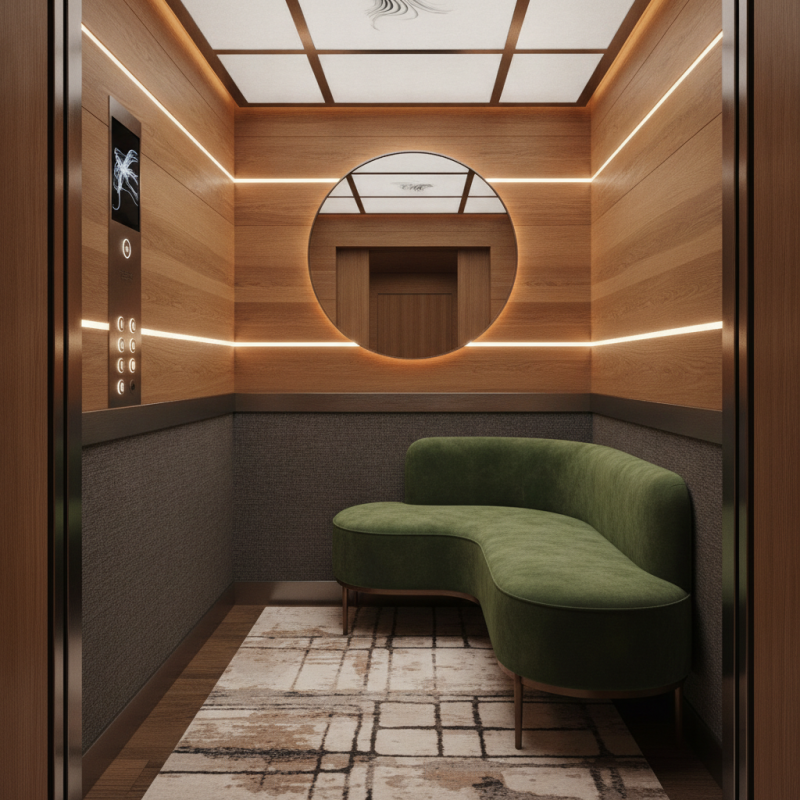
Customization can significantly impact user experience. Factors like color, materials, and layout can be tailored to fit specific needs. For instance, a residential lift might feature warm wood accents for comfort, while a commercial one could benefit from sleek, modern designs. However, achieving the perfect balance between style and practicality is often challenging.

There can be limitations based on lift size and capacity. Not all designs can accommodate extensive customization. It's essential to understand both your vision and the technical possibilities. This balance is crucial to ensure both safety and user satisfaction.
Can I Customize the Interior of a Cabin Lift for My Project?

Understanding Cabin Lift Interior Customization Options

When considering a cabin lift for your project, customization options are plentiful. You can select materials, colors, and layouts that resonate with your design vision. For instance, wood paneling can create a warm atmosphere, while glass offers modernity. The choice of flooring, whether it’s tile or carpet, also affects the lift's ambiance. Proper planning is essential; sketches can help visualize space before finalizing decisions.

Lighting plays a key role in interior customization. LED options offer different moods and energy savings. People often overlook how subtle changes can enhance the user experience. Elements like handrails, mirrors, and buttons may seem simple, but they add functionality and style. It's vital to consider safety alongside aesthetic choices in every aspect of the design.

Some projects may face limitations in customization due to technical constraints. Weight restrictions might hinder some material choices. Additionally, local regulations can impose guidelines on lift installations. These factors require careful consideration, as they may impact the overall design. Reflecting on these challenges can lead to innovative solutions, blending safety with creative expression.

Factors to Consider When Customizing a Cabin Lift Interior

Customizing the interior of a cabin lift is a significant decision. Aesthetics, safety, and functionality must be considered. According to a report by the Elevator World, about 48% of commercial buildings now emphasize unique interior designs for lifts to enhance user experience. Selecting materials is crucial. Durable finishes like stainless steel or tempered glass can ensure longevity, while vibrant designs can attract users.

Another factor to consider is the size and layout. Ensuring enough space for movement is essential. Industry studies indicate that 35% of lift users experience discomfort due to cramped interiors. Reflective surfaces can create a perception of more space, but they might not suit all designs. Lighting plays a key role as well. A well-lit cabin reduces anxiety, which is essential in high-traffic buildings.

Lastly, functionality shouldn't be sacrificed for style. Smart controls and easy access features are crucial. However, integrating technology can overwhelm the design. A balance between advanced features and simplicity attracts diverse users. Design choices should reflect the intended usage context to enhance overall user satisfaction.

Common Materials and Finishes for Cabin Lift Interiors

When planning to customize the interior of a cabin lift, selecting the right materials and finishes is crucial. Often overlooked, the interior design sets the tone for user experience. Popular choices include wood paneling, which offers a warm, inviting feel. However, wood can require maintenance and may not be ideal for all environments.

Metal finishes, like stainless steel, are another option. They provide a modern look and are durable. However, they can feel cold or sterile if not balanced with other elements. Glass is also gaining popularity, adding an elegant touch and allowing for more light. Yet, it poses safety concerns and may require more frequent cleaning.

Fabric accents can soften the space, but they might wear out quickly in high-traffic areas. A blend of materials often yields the best results. This approach can enhance aesthetics, but balancing various textures can be tricky. It's essential to consider durability, cost, and the desired atmosphere. An effective design reflects the intent and functionality of the project, while also catering to the needs of users.

Regulatory Compliance for Customized Cabin Lift Designs

When designing a cabin lift, customization can greatly enhance user experience. However, it's essential to navigate the maze of regulatory compliance. Customized designs must meet safety standards and building codes. This often requires a thorough understanding of specific regulations in your area. Consulting with professionals can help clarify these requirements.

Incorporating unique features into cabin lifts can complicate the approval process. For example, specialized materials or finishes may need additional testing. Each modification risks introducing variables that could jeopardize safety compliance. It’s crucial to engage with engineers who have expertise in lift design. These experts can provide guidance on integrating new elements without compromising functionality.

Customization is an exciting opportunity, yet it comes with inherent challenges. Balancing aesthetic preferences and safety can be difficult. Regular feedback from users and builders can guide your design process. Open communication with regulatory bodies is equally important. This creates a pathway to ensure that your innovative design meets all necessary guidelines.

Cost Considerations in Cabin Lift Interior Customization

Customizing the interior of a cabin lift can enhance its appeal and functionality. However, cost considerations are critical. Understanding the expenses involved helps in making informed decisions. Aesthetic choices, materials, and technological upgrades can significantly impact the final price.

High-quality materials may elevate the look, but they also increase costs. For instance, using glass panels or polished metals can enhance luxury. Yet, these options come with a hefty price tag. Simple choices like paint or basic upholstery are budget-friendly. Nonetheless, they might not offer the desired impact.

Additionally, customization often involves labor costs. Skilled workers are necessary for installation and design work. Their expertise ensures a quality finish, but it may strain your budget. Balancing between quality and cost is essential. You may find a need to rethink your priorities when faced with unexpected expenses. Flexibility in your design approach can help meet both aesthetic goals and budgetary constraints.

FAQS

: What should I consider when customizing a cabin lift interior?

: Focus on aesthetics, safety, and functionality to enhance user experience.

Why are materials important in lift design?

Durable materials like stainless steel or glass ensure longevity and attract users.

How does size and layout impact lift user experience?

Enough space prevents discomfort; cramped interiors affect 35% of users negatively.

What role does lighting play in a cabin lift?

Good lighting reduces anxiety, especially in busy buildings, making the experience better.

Can function be sacrificed for style in lift interiors?

No, smart controls and easy access are important. Balance is key.

What are common materials used in lift interiors?

Popular options include wood, metal finishes, glass, and fabric accents with varying pros and cons.

How does wood paneling affect cabin lift aesthetics?

Wood creates warmth but needs maintenance and may not suit all settings.

What challenges come with using glass in lift design?

Glass offers elegance but poses safety issues and requires upkeep.

Why blend materials in lift design?

Combining textures enhances aesthetics but can be hard to balance successfully.

What should I reflect in the lift interior design?

The design must match the intended use and cater to users' needs for satisfaction.

Conclusion

In considering the question, "Can I customize the interior of a cabin lift for my project?", it is important to explore the various customization options available for cabin lift interiors. This includes understanding the types of materials and finishes that can enhance the aesthetic and functional appeal of the lift. One must also take into account several factors, such as the overall design vision, the intended use of the cabin lift, and the specific needs of the users.

Regulatory compliance is another essential aspect to ensure that any customization aligns with safety and building codes. Additionally, cost considerations play a significant role in the decision-making process, as the pricing can vary widely based on the complexity and quality of the chosen materials. Balancing these factors will help in creating a tailored cabin lift interior that meets both functional and design requirements effectively.

Charlotte

Charlotte

Charlotte is a seasoned marketing professional with a deep understanding of the company's portfolio and a passion for elevating its presence in the market. With a keen eye for detail and a commitment to excellence, she ensures that our professional blog is regularly updated with insightful articles......