When considering accessibility solutions, many people ask, "What is the difference between a platform lift and a cabin lift?" Both options provide important assistance for individuals with mobility challenges, yet they serve distinct purposes.
Platform lifts, often seen in public spaces, are designed for straight vertical movement. They have an open structure, providing a straightforward lift experience. Their simple operation makes them popular in environments like shopping malls and schools. On the other hand, cabin lifts resemble traditional elevators. They offer a fully enclosed space, providing comfort and protection from external elements. This is particularly beneficial in residential settings or buildings with style considerations.
Understanding the differences can lead to better choices tailored to specific needs. Factors like space constraints, weight capacity, and usage frequency play vital roles in this decision. While platform lifts are efficient for short distances, cabin lifts may be essential for multi-floor accessibility. Each type has its advantages, but do they meet all user needs? This question warrants reflection and deeper exploration of each option's practical implications.
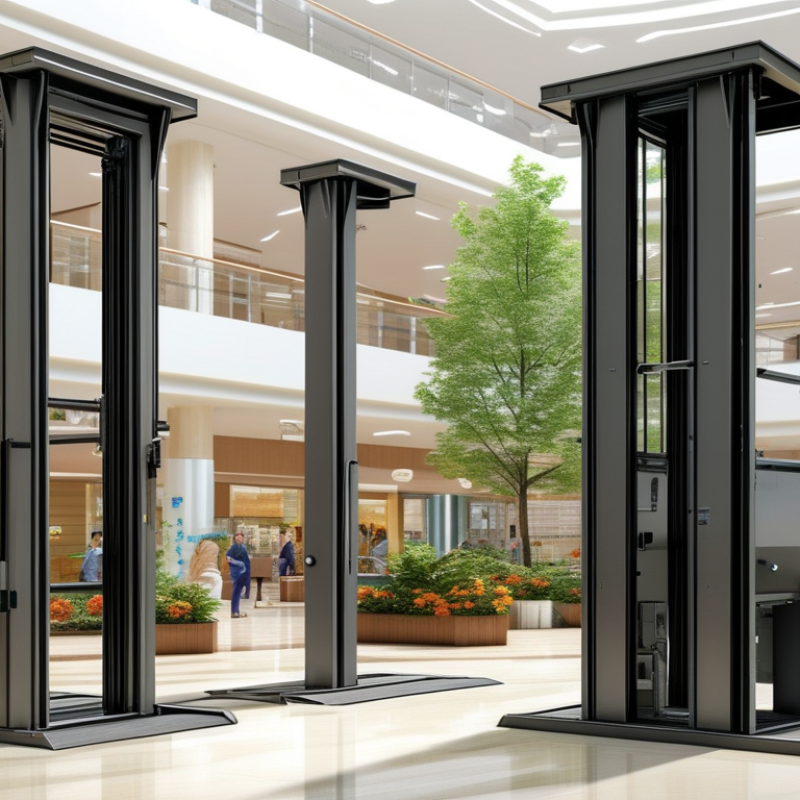
Definition of Platform Lifts and Cabin Lifts
When considering accessibility solutions, understanding platform lifts and cabin lifts is crucial. Platform lifts are designed for wheelchair users, helping them navigate between levels in a building. Typically, they are open on the sides and ideal for short distances. A platform lift may only cover a few feet, making it a perfect choice for small spaces.
Cabin lifts, on the other hand, are enclosed and resemble traditional elevators. They can accommodate more people and transport larger items. Their design allows for greater privacy and comfort. Typically used in residential or commercial buildings, cabin lifts cover greater heights compared to platform lifts. However, they require more space and installation costs can be higher.
**Tips:** When selecting a lift, evaluate the space available. Measure doorways and floors. Ensure your lift matches the environment. Consider maintenance needs over time. A well-maintained lift ensures safety. Reflect on your specific usage requirements before making a final decision.
Key Features of Platform Lifts
When discussing platform lifts, it's essential to understand their key features. Platform lifts provide accessibility for people with disabilities, allowing smooth and easy movement between different levels. They are typically open in design, offering a spacious environment. This openness can sometimes feel less secure for some users, which is a consideration when choosing a lift.
One major benefit of platform lifts is their flexibility. They can be installed both indoors and outdoors. This versatility makes them suitable for various environments. It's important to assess the surrounding areas to ensure safety and efficiency. Platform lifts usually have a lower weight capacity compared to cabin lifts. This limitation can be frustrating, especially in commercial settings.
Tips: Always check the installation specifications before deciding on a platform lift. A well-planned installation makes a significant difference. Safety features are crucial; choose a lift with reliable emergency systems. Keep in mind the maintenance needs as well. Regular checks can prevent issues and ensure long-term usability.
Comparison of Platform Lifts and Cabin Lifts
Key Features of Cabin Lifts
Cabin lifts are essential for accessibility in multi-story buildings. They offer a secure, enclosed space for users. The internal dimensions of cabin lifts typically range from 1.1m x 1.4m to 1.5m x 2m, accommodating mobility aids like wheelchairs. According to industry reports, cabin lifts can increase property value by up to 10%. This highlights their importance in urban environments.
A significant advantage of cabin lifts is their safety features. Most include emergency alarms and communication systems. These features ensure that users can receive help quickly if needed. In contrast, platform lifts are often less enclosed and may have fewer safety measures. The minimalistic design of platform lifts can make them less suitable for all users.
Tips: Consider the lift's usage and frequency when making a choice. Regular maintenance is crucial for any lift type to ensure reliability. Always review safety certifications to guarantee compliance with local regulations. It’s easy to overlook these details, yet they play a critical role in operational safety.
Applications and Use Cases for Each Lift Type
When comparing platform lifts and cabin lifts, understanding their applications is essential.
Platform lifts, designed for accessibility, are ideal for public spaces. They provide easy access for individuals with mobility challenges.
Research from the Accessibility Industry Association indicates a growing demand for these lifts in commercial buildings,
with a projected market growth of 8% annually. This increase correlates with rising awareness of disability rights
and the need for inclusive environments.
On the other hand, cabin lifts suit residential and high-rise buildings. These lifts transport multiple people over various floors.
Recent statistics show that cabin lifts account for a significant portion of vertical transportation systems, especially in urban areas.
Properties equipped with cabin lifts often see a 20% increase in value.
However, they require more space and a more complex installation process compared to platform lifts.
This could be a drawback for smaller buildings or older structures. Both types of lifts meet specific needs, but challenges persist.
Not every building can accommodate a cabin lift, limiting its universal application. Conversely, while platform lifts are accessible, they may not provide the same
privacy and comfort as cabin lifts. It’s important for architects and builders to weigh these factors carefully.
Each choice has its set of considerations that can impact overall functionality.
Comparative Advantages and Disadvantages of Both Lifts
When considering platform lifts and cabin lifts, it's essential to evaluate their advantages and disadvantages. Platform lifts offer ease of access and are ideal for individuals with mobility challenges. These lifts require less installation space and are often used in public buildings, helping to comply with accessibility regulations. According to a recent industry report, platform lifts can reduce installation costs by approximately 30% compared to traditional cabin lifts.
However, cabin lifts provide a more enclosed space and can handle higher weight capacities. They are often preferred in residential settings and multi-story buildings. Cabin lifts can hold up to 1,000 kg, while platform lifts typically handle around 300 kg. Despite their advantages, cabin lifts require more extensive construction work, which could lead to increased costs and installation time.
Both lift types have their drawbacks. Platform lifts might be less aesthetically appealing. They can be more exposed to weather elements. Cabin lifts, while robust, demand more maintenance due to their complex mechanisms. Understanding these nuances is crucial for decision-making in lift installations. Balancing cost, space, and user needs is vital. Each option has been growing, with the platform lift market expected to see a 7% annual growth rate, indicating a shift in preference towards accessibility solutions.
FAQS
: Platform lifts assist wheelchair users to move between building levels. They are ideal for shorter distances.
Cabin lifts are enclosed, resembling traditional elevators. They can carry more people and accommodate larger items.
Evaluate available space carefully. Measure doorways and floors to ensure the lift fits properly in your environment.
Platform lifts usually support around 300 kg, while cabin lifts can handle up to 1,000 kg.
Yes, platform lifts can reduce installation costs by about 30% compared to cabin lifts, making them budget-friendly.
Cabin lifts require more maintenance due to their complex design. A well-maintained lift enhances safety and longevity.
Cabin lifts offer privacy and comfort. They work well in residential settings or multi-story buildings.
Yes, platform lifts are more exposed to the elements, which can impact their durability and aesthetics.
Platform lifts may lack aesthetic appeal and could be less sturdy than cabin lifts during adverse weather.
The platform lift market is expected to grow by 7% annually, indicating increasing demand for accessibility solutions.
Conclusion
When considering accessibility solutions, many people ask, "What is the difference between a platform lift and a cabin lift?" Platform lifts are designed for individuals with mobility challenges, providing an open space to accommodate wheelchairs, while cabin lifts offer an enclosed space akin to traditional elevators, suitable for both passengers and goods.
Key features of platform lifts include their simplicity and ease of installation, often found in residential settings or public places where space is limited. Conversely, cabin lifts boast greater weight capacity and advanced control systems, making them ideal for commercial buildings and high-traffic areas. Each lift type serves specific applications, with platform lifts often used for short distances and cabin lifts suitable for multi-storey transport. Ultimately, understanding the comparative advantages and disadvantages of both lifts can help in selecting the most appropriate solution for various needs.
 Dave Lift
