Dave Lift Dave Lift

How to Effectively Soundproof a Home Elevator Shaft?

Time:2026-06-22 Author:Sophia
0%

Soundproofing a home elevator shaft can significantly enhance living comfort. It reduces the noise produced by the elevator, which can be disruptive. Residents often underestimate the impact of elevator noise on their daily lives. Hence, knowing how to soundproof a home elevator shaft is crucial for creating a peaceful environment.

Effective soundproofing involves various techniques and materials. Acoustic panels, soundproofing foam, and dense insulation play vital roles. Each method contributes uniquely to minimizing noise transfer. It is essential to assess your specific shaft design. Tailoring your approach ensures better results. Not all solutions suit every home.

While you can attempt soundproofing, it may require professional guidance. Missteps can lead to inadequate noise reduction or added costs. Therefore, understanding the best practices in elevator shaft soundproofing is necessary. This will help you make informed decisions for optimal results.
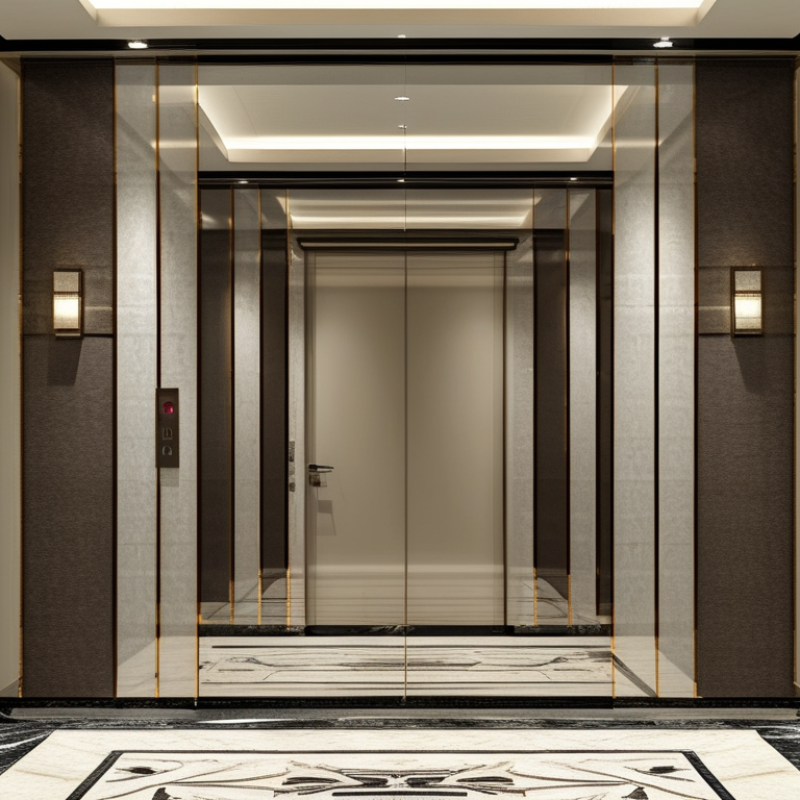
How to Effectively Soundproof a Home Elevator Shaft?

Understanding the Importance of Soundproofing an Elevator Shaft

Soundproofing an elevator shaft is crucial for maintaining tranquility in a home. Many homeowners underestimate the noise generated by elevators. As an elevator operates, it can cause vibrations and sounds that travel through walls and floors. This noise can disrupt daily activities, especially in multi-level residences.

Effective soundproofing solutions can significantly reduce unwanted noise. Materials like acoustic panels and soundproof drywall can absorb sound waves. Sealing gaps around doors and windows can also help. These steps may seem simple, but many overlook them. It’s essential to consider every potential source of noise, including the elevator motor and machinery.

Beyond materials, regular maintenance of the elevator can affect sound levels. Lubricating moving parts and tightening loose fittings can minimize noise. Homeowners should periodically assess their elevator's performance and soundproofing effectiveness. This evaluation is often neglected but can lead to better living conditions. Each improvement contributes to creating a peaceful environment in your home.

Identifying Common Sources of Noise in Home Elevators

Home elevators are increasingly popular in modern residences, but they can introduce various noise issues. Identifying the sources of noise is crucial for effective soundproofing. According to the National Elevator Industry, Inc., lifts generate noise mainly from operational mechanisms, such as the motor and pulley systems. These mechanical actions can lead to vibrations that transmit sound through the shaft and surrounding walls.

In a study by the Acoustical Society of America, it was found that as much as 60% of elevator noise stems from the movement of the cab. This noise can be particularly disruptive in multi-story homes. Additionally, air rushing through the shaft can create unwanted sound pressure levels, often exceeding recommended thresholds. Homeowners may overlook these sound sources, focusing solely on the lift's design while ignoring essential acoustical elements.

Inadequate insulation can amplify noise issues as well. For example, unsealed gaps allow noise leakage, potentially increasing sound levels by up to 10 decibels. Engaging a professional acoustics consultant can help in identifying problem areas. They can recommend specialized soundproofing materials and techniques. Investing in such advice, although sometimes considered an added expense, may prove beneficial in the long run. Balancing aesthetics with functionality is a common challenge in soundproofing home elevator shafts.

Materials and Techniques for Effective Soundproofing

Soundproofing a home elevator shaft can significantly enhance comfort. Selecting the right materials is crucial for effective results. Acoustic panels are an efficient choice; they are designed to absorb sound waves. These panels can be installed on elevator shaft walls for optimal sound reduction. Additionally, using mass-loaded vinyl can create a barrier, preventing sound from passing through.

Isolation pads are another technique. They can be placed under the elevator machinery to minimize vibration noise. Combining these methods can yield better results. For example, layering different materials can help achieve greater soundproofing. One common error is ignoring the shaft door. Installing a solid core door can reduce noise significantly.

It’s also essential to address any gaps. Sealants or caulking can help fill gaps and reduce sound leakage. Regular maintenance is necessary to keep soundproofing materials effective. Some homeowners overlook this aspect. Lack of proper upkeep can lead to deterioration over time. Even with the best materials, neglect can compromise the soundproofing effort. Ensuring all components function correctly is vital for long-term satisfaction.

Step-by-Step Process to Soundproof an Elevator Shaft

Soundproofing a home elevator shaft is crucial for enhancing comfort and privacy. Excess noise can disrupt daily life, particularly in multi-story homes. Reports indicate that around 70% of homeowners prioritize noise reduction in renovations. Following a step-by-step process can ensure effective soundproofing.

Begin by assessing the elevator shaft. Seal any gaps using acoustic caulk. This step prevents sound leakage between floors. Installing soundproof curtains can also absorb noise. These curtains are designed with special materials that minimize sound transmission. In addition, consider adding mass-loaded vinyl to the walls for improved sound absorption.

Tips to enhance soundproofing include:

  • Use rubber mats beneath the elevator machinery. These can significantly reduce vibration noise.
  • Apply acoustic foam panels to the walls. They help dampen sound while maintaining a sleek look.
  • Regularly inspect the installation. Check for wear and tear, which can compromise soundproofing effectiveness.

It's essential to acknowledge that perfect soundproofing is challenging. Some noise may still seep through. However, these methods can significantly reduce disturbances. Involving a soundproofing expert can provide insights tailored to your specific needs and ensure optimal results.

Maintenance Tips for Sustaining Soundproofing Effectiveness

Maintaining soundproofing in a home elevator shaft requires regular attention. Check the seals around the elevator door frequently. Look for any gaps or wear. Small spaces can let noise escape or enter easily. If you notice any deterioration, replace the seals promptly. This small step can significantly enhance sound isolation.

Consider inspecting the walls of the shaft. They should have soundproof materials installed. Over time, these materials might lose effectiveness. Regularly assess their condition. If you hear more noise than usual, it might be time to update the insulation or add soundproof panels. It’s a proactive approach to sustaining peace in your home.

Cleaning can also help. Dust and debris can build up, impacting soundproofing performance. Use a vacuum with a narrow attachment to reach tight spaces in the shaft. This routine task can prevent issues that arise from neglect. Don’t overlook this simple maintenance step. Regular checks and cleanings can ensure your soundproofing remains effective for the long haul.

Soundproofing Effectiveness of Different Materials for Home Elevator Shafts

FAQS

: Why is soundproofing an elevator shaft important?

: Soundproofing maintains tranquility in homes, reducing noise from elevator operations that can disrupt daily activities.

What are common sources of noise in home elevators?

Noise mainly comes from operational mechanisms, like motors and pulley systems, causing vibrations that travel through walls.

How can I effectively soundproof my elevator shaft?

Use acoustic panels, mass-loaded vinyl, and isolation pads to absorb sound and minimize vibration noise effectively.

What mistakes do homeowners make in soundproofing?

Many ignore the shaft door and gaps, which can allow noise leakage and reduce soundproofing effectiveness.

How does regular elevator maintenance affect noise levels?

Proper maintenance, like lubricating moving parts, helps minimize noise and improves soundproofing performance over time.

Can professional help improve soundproofing efforts?

Yes, engaging a professional acoustics consultant can identify problem areas and recommend specialized materials and techniques.

How much sound can unsealed gaps increase?

Unsealed gaps can increase sound levels by up to 10 decibels, worsening noise issues in your home.

What should I do if my soundproofing isn't effective?

Regularly assess soundproofing measures, ensuring maintenance and addressing any overlooked areas for better results.

Are all soundproofing materials equally effective?

No, effectiveness varies; it's vital to choose the right materials and techniques for the unique challenges of your elevator shaft.

Can aesthetics compromise soundproofing?

Yes, balancing aesthetics with functionality is challenging but necessary for effective soundproofing in home elevator shafts.

Conclusion

Soundproofing a home elevator shaft is essential for enhancing comfort and privacy within a residential space. Understanding the importance of soundproofing begins with identifying common sources of noise, such as mechanical vibrations and operational sounds that can disrupt tranquility. By utilizing effective materials and techniques, homeowners can greatly reduce intrusive noises.

To successfully learn how to soundproof a home elevator shaft, follow a step-by-step process that includes evaluating the shaft structure, selecting appropriate soundproofing materials, and implementing proper installation techniques. Additionally, maintaining the soundproofing effectiveness over time is crucial. Regular checks and updates to the soundproofing measures ensure that the serenity of the home environment is preserved, creating a peaceful atmosphere for residents.

Sophia

Sophia

Sophia is a dedicated marketing professional with an exceptional depth of knowledge about her company's products and services. With a keen understanding of market trends and customer needs, she crafts insightful blog posts that not only inform but also engage readers, enriching the company’s online......