Dave Lift Dave Lift

How to Fix Loud Noise from Your Home Lift?

Time:2026-05-07 Author:Sienna
0%

Home lifts are becoming increasingly popular in modern residences, but they can occasionally cause distressing disruptions. One common concern homeowners face is loud noises originating from their lifts. "Why is my home lift making a loud noise?" This question not only reflects a technical issue but could also signal underlying safety problems. According to a recent report from the National Elevator Industry, about 20% of modern lifts experience operational sounds that are louder than expected.

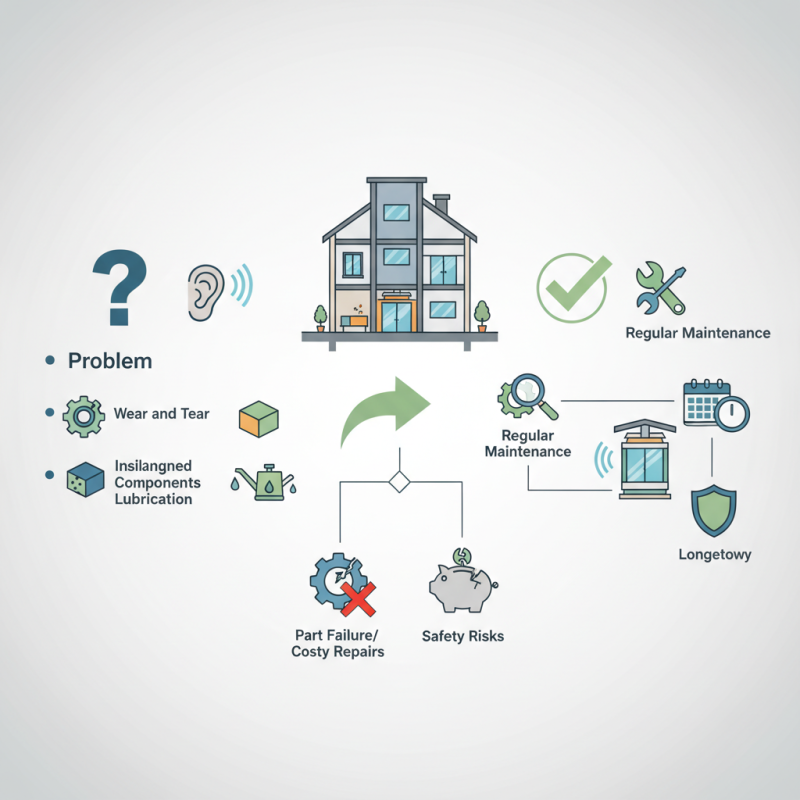
Understanding these noises is crucial for maintaining your lift's functionality. Factors such as wear and tear, misaligned components, or insufficient lubrication may contribute to the issue. In some cases, the noise could indicate that a part is on the verge of failure, which can lead to complete breakdowns or costly repairs. Moreover, the Occupational Safety and Health Administration (OSHA) states that noise levels in machinery that exceed 85 decibels can pose health risks to users.

Addressing loud noise concerns promptly ensures not only the longevity of your lift but also the safety of your household. Regular maintenance and inspection are essential practices. It is important to reflect on how sound issues might impact your daily life and to find the right solutions before they escalate.
How to Fix Loud Noise from Your Home Lift?

Causes of Noise in Home Lifts: A Comprehensive Overview

Loud noises from home lifts can be frustrating. Understanding the common causes of these sounds is crucial for homeowners. Many factors contribute to noise issues in lifts. Research indicates that around 70% of noise complaints stem from mechanical vibrations. Insufficient lubrication and aging components can lead to squeaks and rattles. Another common issue is misalignment. If the lift isn't properly aligned, it can produce grinding noises during operation.

There are several steps to reduce lift noise. Regular lubrication of moving parts is essential. This helps maintain smooth operation. Inspect the lift's tracks and pulleys for alignment. A professional technician can make necessary adjustments. Ensure that the lift cabin is well-insulated. This can dampen external noises and enhance comfort during use.

Installing soundproofing materials around the lift shaft can also be beneficial. According to industry reports, soundproofing can decrease noise levels by up to 30%. Understanding these factors can aid in addressing the issue. Consider reaching out to experts if problems persist. They can evaluate the system thoroughly. Addressing these issues can improve not just comfort, but also the longevity of your home lift.

Impact of Regular Maintenance on Lift Noise Levels

Regular maintenance plays a crucial role in managing lift noise levels. A well-maintained lift contributes significantly to a quieter home environment. Routine checks can identify issues like loose components or worn-out parts that might cause excessive noise. Paying attention to these details can prevent minor problems from developing into major noise disturbances.

DIY maintenance, such as lubricating the rails and checking door mechanisms, can reduce noise over time. Even simple actions, like tightening screws, can make a noticeable difference. However, some homeowners overlook these tasks, leading to noisy lifts. If you hear unusual sounds, it may be time to rethink your maintenance routine.

Engaging certified technicians for periodic inspections is essential. Trained professionals can detect underlying issues that may not be apparent. Their expertise helps ensure that your lift remains operational and quiet. Ignoring regular maintenance can lead to not only noise but also potential safety hazards. Reflection on your current maintenance habits could lead to a peaceful home lift experience.

Noise Levels from Home Lifts Before and After Maintenance

Common Solutions to Reduce Noise in Home Elevators

Home elevators can significantly enhance accessibility, but they may come with unexpected noise issues. Understanding the common causes of noise can help homeowners address this nuisance efficiently. According to a recent industry report, nearly 35% of homeowners cite noise as a significant concern with their residential lifts. This underscores the importance of effective sound reduction solutions.

One common issue is loose or worn components. Over time, pulleys and belts may wear down and create additional vibration. Regular maintenance, which about 45% of experts recommend at least annually, can alleviate this problem. Homeowners should also consider soundproofing materials. A well-placed acoustic panel around the elevator shaft can reduce noise levels substantially, often by up to 15 decibels.

Additionally, utilizing lubricants on moving parts may help. Using the right type of lubricant can minimize friction. Industry studies show that proper lubrication can decrease operational noise by around 20%. Homeowners should remember that not all solutions might fully eliminate noise. Exploring multiple approaches and consultations with professionals will lead to more effective outcomes. Focus on creating a quieter living environment while keeping your lift in optimal condition.

The Role of Quality Bearings and Components in Noise Reduction

Elevated noise levels in home lifts can stem from various factors. However, quality bearings and components play a crucial role in minimizing this issue. According to a study by the International Association of Elevator Engineers, over 60% of noise generated during lift operation comes from mechanical parts. The vibration and friction of inferior bearings can amplify these sounds, making a peaceful environment difficult to maintain.

Investing in high-quality components can drastically reduce noise levels. For instance, ceramic bearings have been reported to diminish noise by up to 30%. These bearings exhibit lower friction and are more durable than their traditional counterparts. Additionally, using components with improved tolerances can enhance lift performance and efficiency, further reducing operational noise.

Tips: Regular maintenance checks is vital. Ensure bearings are lubricated properly. Replace worn-out components immediately to prevent excess noise. Opting for sound-insulating materials within your lift shaft can also help absorb unwanted sounds. Remember, small changes can lead to significant improvements in overall lift tranquility.

When to Seek Professional Help for Lift Noise Issues

Loud noises from your home lift can indicate serious issues. If your lift sounds like it’s struggling, it might be time to seek professional help. According to industry experts, about 30% of homeowners report noise-related problems with their lifts, often linked to wear and tear.

Common triggers of lift noise include misalignment, damaged bearings, or worn-out cables. The Elevating and Escalator Industry Association estimates that improper maintenance can lead to failures costing up to $8,000. If you hear grinding, clanking, or grinding sounds, don’t ignore them. Waiting too long can worsen the problem.

Professional assessment is crucial when noise patterns change, signaling potential safety hazards. Experts suggest having your lift inspected every six months. A technician can diagnose issues early on, preventing costly repairs later. They can identify whether lubrication is needed or if parts need replacement. Protect your investment by acting promptly on lift noise concerns.

FAQS

: What causes noise in home lifts?

: Noise often results from mechanical vibrations, misalignment, and insufficient lubrication.

How much noise comes from vibrations?

Research shows that about 70% of noise complaints originate from mechanical vibrations.

What can I do to reduce lift noise?

Regular lubrication and checking alignment are effective ways to minimize noise.

How important is lift maintenance for noise control?

Regular maintenance is crucial. It identifies issues early, preventing excessive noise over time.

Can I perform maintenance myself?

Yes, DIY tasks like lubricating rails and tightening screws can help reduce noise.

What if my lift is still noisy after maintenance?

Consider contacting professionals. They can spot problems that may have been overlooked.

How can insulation help with lift noise?

A well-insulated lift cabin can dampen external sounds, improving comfort during use.

Should I install soundproofing materials?

Yes, soundproofing can decrease noise levels by up to 30%.

What are the risks of ignoring maintenance?

Neglecting maintenance can lead to increased noise and potential safety hazards.

How often should I have my lift inspected?

Regular inspections by certified technicians are recommended. This helps ensure quiet operation.

Conclusion

Loud noises from home lifts can be concerning for homeowners, prompting the question, "Why is my home lift making a loud noise?" Several factors contribute to this issue, including wear and tear on components, lack of lubrication, or misalignment. Understanding these causes is essential for effective noise management.

Regular maintenance plays a critical role in minimizing noise levels, as it ensures that all parts are functioning smoothly and efficiently. Implementing common solutions, such as lubricating moving parts and checking for loose components, can significantly reduce disturbances. Additionally, using high-quality bearings and components can enhance noise reduction. If noise issues persist despite taking these measures, seeking professional help may be necessary to diagnose and resolve underlying problems effectively.

Sienna

Sienna

Sienna is a skilled marketing professional with a deep expertise in our company’s core products and services. With a passion for innovation and detail, she plays a pivotal role in crafting insightful blog posts that not only highlight the unique features of our offerings but also provide valuable......