 Dave Lift
Dave Lift
Dave Lift
Maintaining a home elevator is crucial for both safety and functionality. Regular upkeep helps to prevent unexpected breakdowns. This leads to a better living experience and enhances property value. Many homeowners wonder, "How often does a home elevator need maintenance?" The answer isn’t straightforward. It often depends on usage, model, and installation specifics.
Most manufacturers recommend annual inspections. However, frequent use may necessitate more regular checks. Ignoring maintenance can result in bigger problems. While some may neglect this responsibility, it is wise to reflect on potential risks. A malfunctioning elevator can lead to accidents or costly repairs.
Keeping a schedule for maintenance ensures consistency. A qualified technician can identify minor issues before they escalate. Trust in expert advice to guide your maintenance routines. It’s essential to balance convenience with safety. Homeowners must take proactive steps. Regular evaluation and adjustments can provide peace of mind in the long run.
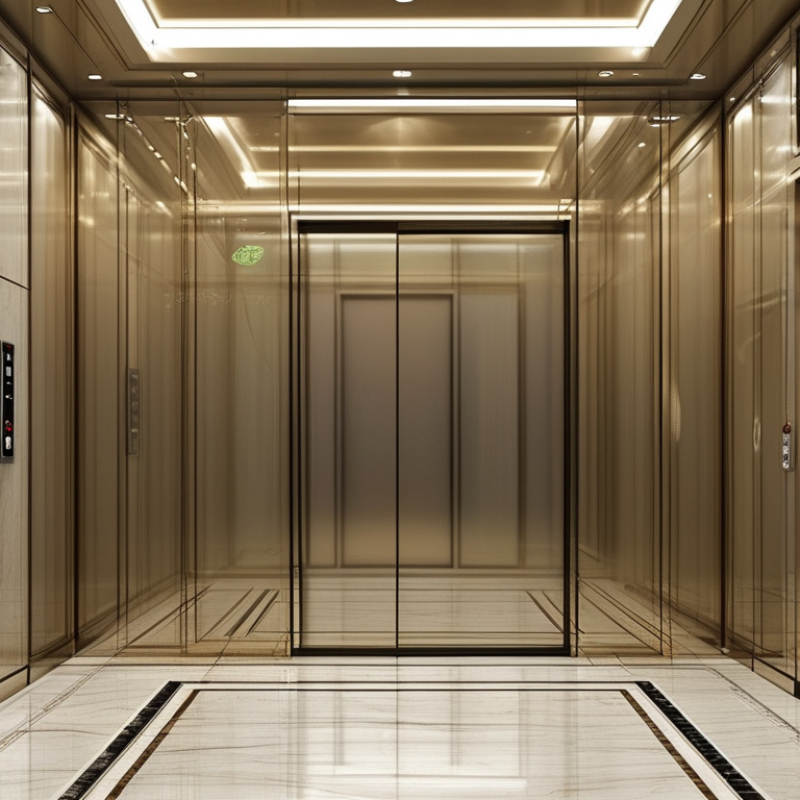
Maintaining a home elevator is crucial for safety and efficiency. Regular checks can prevent unexpected malfunctions. Experts recommend scheduling professional maintenance at least once a year. This frequency allows technicians to identify and address potential issues early. Small problems can evolve into costly repairs if neglected.
Homeowners should carry out simple inspections between professional visits. Listen for unusual noises during operation. Observe any jerky movements or unexpected stops. These can signal underlying issues. Keeping an eye on the elevator’s cables and door operations is also key. Dust and debris can accumulate and affect performance.
Documentation of past maintenance is important too. It helps track service history and any recurring problems. This record can be helpful for future technicians. Engaging with a trusted elevator service provider ensures reliability. They can provide tailored maintenance plans based on your elevator’s specific needs. Regular upkeep not only enhances safety but also prolongs the elevator's lifespan.
: Regular maintenance ensures safety and efficiency, preventing unexpected malfunctions from occurring.
Experts recommend professional maintenance at least once a year to catch potential issues early.
Listen for unusual noises and watch for jerky movements. These may indicate underlying problems.
Elevator type, usage frequency, and operational environment all impact maintenance frequency.
Neglect can lead to costly repairs and increased risk of malfunctions, potentially causing safety issues.
Yes, local codes and manufacturers often provide guidelines for maintenance frequency based on the elevator type.
Yes, properly maintained elevators can enhance overall property value and may lead to increased resale opportunities.
Yes, some wear is normal, especially with heavy usage. Regular checks help manage this wear effectively.
Track service history and any recurring issues. This record aids future technicians in addressing problems.
Yes, engaging professionals ensures reliability and tailored maintenance plans to suit your elevator's needs.
Maintaining a home elevator is crucial for its longevity and safe operation. So, how often does a home elevator need maintenance? Several factors influence the maintenance frequency, such as usage patterns, the type of elevator, and local regulations. Generally, it is recommended to conduct professional maintenance at least once a year, but more frequent checks may be necessary for heavily used elevators or older models.
Homeowners should also be vigilant for signs that indicate immediate attention is required, like unusual noises, erratic stopping, or failure to operate. By adhering to a regular maintenance schedule and promptly addressing any issues, the long-term benefits include enhanced safety, improved functionality, and increased property value. Regular upkeep not only ensures reliability but also helps to avoid costly repairs down the line.
