Dave Lift Dave Lift

Are Glass Elevators Safe During an Earthquake?

Time:2026-08-30 Author:Henry
0%

When considering the safety of glass elevators during seismic events, a common question arises: "Are glass elevators safe during an earthquake?" Renowned structural engineer Dr. Emily Carter offers a critical perspective. She states, “While glass elevators are designed for safety, they can be vulnerable in high-intensity earthquakes.”

Glass elevators provide stunning views and an elegant experience. However, their design raises concerns. The materials must withstand significant stress. During an earthquake, the structural integrity of these elevators is tested. Buildings sway, and vibrations travel through the structure. In these moments, even minor flaws can lead to failure.

Dr. Carter emphasizes that ensuring safety involves rigorous engineering standards. Many glass elevators feature safety features that activate during seismic activity. But not all systems are created equal. The location of the building also matters. Buildings in seismic zones require special attention. Understanding these factors is crucial. As we delve deeper into this topic, we must reflect on whether glass elevators truly meet our safety expectations in earthquakes.
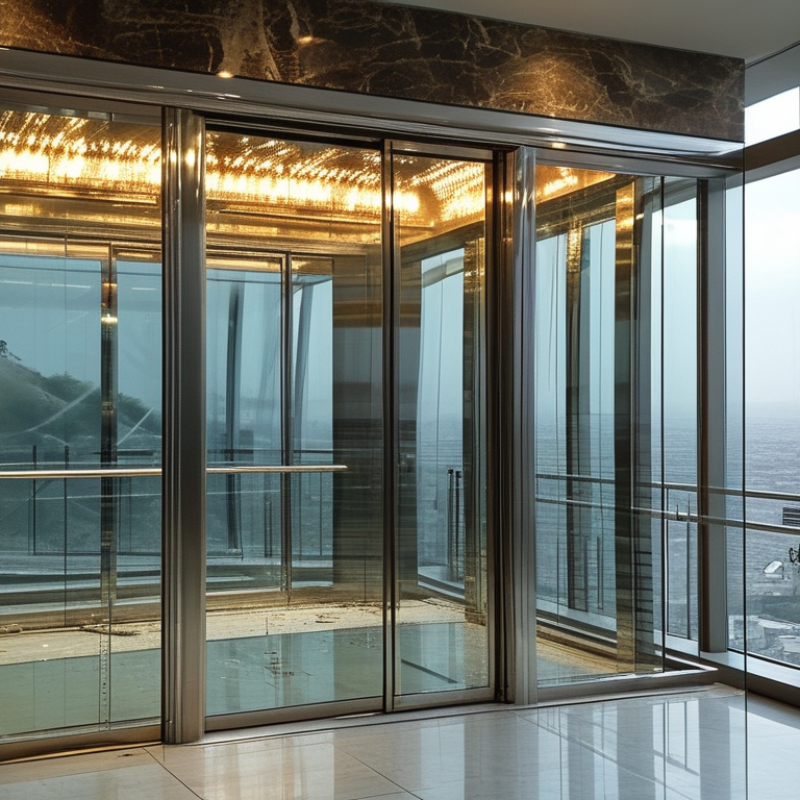
Are Glass Elevators Safe During an Earthquake?

Understanding Glass Elevators and Their Functionality

Glass elevators have gained popularity for their aesthetic appeal and innovative designs. They provide a unique way to experience a building's architecture. However, how do they function during seismic events? Understanding the functionality of glass elevators sheds light on their safety.

Glass elevators are typically made of tempered or laminated glass, designed to support significant weight. According to industry reports, these elevators have been engineered to withstand stress and movement. The structural frame is often made of steel or aluminum, which provides added stability. During an earthquake, this combination can help maintain the elevator's integrity despite swaying. Engineers also incorporate energy-absorbing technologies to enhance safety.

However, the effectiveness of glass elevators in earthquakes needs careful consideration. Not all designs are equal, and some may lack proper testing. A study from the International Code Council highlighted that building codes vary significantly. Regions with high seismic activity require stricter regulations. Building owners should ensure that their glass elevator installations meet or exceed local codes. Regular maintenance and inspections are crucial to address potential weaknesses and ensure ongoing safety.

The Structural Integrity of Glass Elevators During Seismic Events

When considering the structural integrity of glass elevators during an earthquake, it is crucial to note that these systems are designed with engineering principles in mind. The glass used is often tempered and laminated, providing strength and flexibility. These qualities can help the elevator withstand pressure and movement. However, how glass elevators perform in severe seismic events remains a topic for debate.

In an earthquake, the acceleration can produce forces that test the materials involved. If the supporting framework is not robust enough, failure may occur. Glass, while durable, can shatter under extreme conditions. There is also a risk of the machinery that operates the elevator becoming inoperable during such an event. These factors raise questions about the overall safety of glass elevators in high-risk areas, highlighting the need for thorough engineering assessments before installation.

Moreover, the visibility of glass elevators may lead to a false sense of security. People tend to regard them as safe due to their modern design. Yet, they require regular maintenance and inspections to ensure operational readiness. While many buildings are outfitted with advanced safety features, it’s important to acknowledge that no system is infallible. Understanding the potential vulnerabilities is key for both users and architects in this ongoing discussion.

Safety Features of Glass Elevators in Earthquake Zones

Glass elevators, often admired for their aesthetic appeal, have safety features designed for earthquake-prone areas. These elevators utilize advanced engineering techniques to withstand seismic activity. Their frames are typically made of durable materials that can absorb shock and prevent catastrophic failures during an earthquake.

In addition, glass elevators are often equipped with sensors. These sensors can detect ground movement and automatically halt operation during an earthquake. The glass panels are designed to be shatter-resistant, ensuring that they do not break easily under stress. Yet, these safety features do not eliminate all risks. Users must understand that no system is foolproof.

Regular inspections and maintenance are crucial for the safety of glass elevators. Over time, wear and tear can affect their reliability, especially in seismic zones. Operators need to stay vigilant and ensure that all safety measures are in working order. Although glass elevators can be safe, it is essential for users to remain aware and prepared for emergencies.

Emergency Protocols for Glass Elevator Use in Earthquakes

Glass elevators offer a visually stunning ride. However, their safety during seismic events raises concerns. Understanding emergency protocols can help mitigate risks. According to the National Elevator Industry, about 10% of elevators in earthquake-prone regions are glass installations. This statistic reflects their growing popularity. But they require special attention during an earthquake.

In an earthquake, it's crucial to remain calm. Experts suggest avoiding use unless absolutely necessary. When in a glass elevator, look for emergency communication systems. These systems allow users to alert rescue teams. Regular maintenance checks become vital for glass elevators, ensuring they operate properly. Research from the American Society of Civil Engineers emphasizes retrofitting existing buildings for better elevator safety.

Glass elevator safety relies on infrastructure and protocols. While developers are tasked to build resilient structures, awareness is equally important. Many users underestimate the risks associated with these elevators in emergencies. Regularly reviewing safety guidelines is essential. Ultimately, understanding these realities can better prepare individuals for unexpected events.

Glass Elevators Safety Ratings During Earthquake Preparedness

This chart displays the safety ratings of glass elevators in different types of buildings during earthquake preparedness scenarios. Ratings range from 1 (least safe) to 10 (most safe). Higher ratings indicate better preparedness and structural integrity during seismic events.

Comparative Safety of Glass Elevators vs. Traditional Models During Quakes

Glass elevators have gained popularity due to their aesthetic appeal and panoramic views. However, their safety during an earthquake has raised concerns. When comparing glass elevators with traditional models, certain factors come into play. Glass elevators usually employ robust engineering and materials designed to withstand stress. This designs optimizes their performance when the earth shakes.

The anchoring systems in glass elevators can be more visible than in regular ones. They allow passengers to perceive the structure's stability. Traditional elevators often rely on steel cables and shafts, which may not perform as well under seismic stress. In regions prone to earthquakes, understanding these differences is crucial for safety.

Tips for elevator users during an earthquake include staying calm and avoiding the elevator. If you're already in transit, brace yourself against the walls. Pay attention to local safety protocols regarding elevators during seismic events. Regular inspections of these systems are essential for ensuring their ongoing safety and reliability. Always question the effectiveness of your chosen elevator type in case of emergencies.

Are Glass Elevators Safe During an Earthquake? - Comparative Safety of Glass Elevators vs. Traditional Models During Quakes

Feature Glass Elevators Traditional Elevators
Structural Integrity Moderate, designed with flexible materials High, reinforced with steel cables
Visibility High, provides panoramic views Limited, usually enclosed
Weight Capacity Lower capacity due to design Higher capacity for heavier loads
Emergency Functionality Better equipped for immediate evacuation Standard phase of descent
Maintenance Requirement Requires more frequent inspections Generally more stable
Cost of Implementation Higher initial cost Lower initial cost

FAQS

: How are glass elevators designed for earthquake safety?

: Glass elevators use tempered and laminated glass for strength and flexibility, helping them resist seismic forces.

What happens to glass elevators during a severe earthquake?

Although designed to withstand stress, glass can shatter in extreme conditions. The supporting framework also matters.

Do glass elevators have safety features for seismic events?

Yes, many glass elevators are equipped with sensors that detect movement and halt operation during earthquakes.

Are glass elevators completely safe in earthquake-prone areas?

No system is foolproof. Regular maintenance and inspections are needed to ensure safety in these zones.

How do glass elevators compare to traditional models during quakes?

Glass elevators often have more visible anchoring systems, which can enhance perceived stability compared to traditional ones.

What should users do during an earthquake if they are in an elevator?

Stay calm, avoid using the elevator, and brace against the walls if already in transit.

Why might people feel less safe in glass elevators?

Their modern design may create a false sense of security, but all elevators require ongoing checks for vulnerabilities.

What is the risk of elevator machinery during seismic events?

The machinery may become inoperable, highlighting the importance of thorough engineering assessments before installation.

How does regular maintenance affect elevator safety?

Over time, wear and tear can compromise reliability, especially in areas prone to seismic activity.

What factors should be considered when choosing an elevator type?

Assess the effectiveness of the elevator in emergencies and understand regional safety protocols related to seismic events.

Conclusion

The article "Are Glass Elevators Safe During an Earthquake?" explores the various aspects of glass elevators, focusing on their functionality and structural integrity in seismic events. It highlights the inherent design features of glass elevators, which allow them to withstand certain levels of seismic activity. The article also outlines key safety features specifically designed for glass elevators situated in earthquake-prone areas, including advanced technology that ensures passenger safety.

Furthermore, it discusses established emergency protocols for using glass elevators during earthquakes, emphasizing the importance of adhering to guidelines to minimize risk. Lastly, a comparative analysis reveals how glass elevators generally perform in relation to traditional elevator models during quakes, ultimately providing a nuanced understanding of their safety. Overall, the exploration leads to the question, "Are glass elevators safe during an earthquake?" and offers insights that may ease concerns for users in seismic zones.

Henry

Henry

Henry is a dedicated marketing professional with a profound expertise in the company's offerings. With years of experience in the industry, he possesses an impressive understanding of the market dynamics and consumer behaviors that drive success. Henry is committed to sharing his insights through......