Dave Lift Dave Lift

Are Glass Elevators Safe During an Earthquake in 2026?

Time:2026-05-11 Author:Henry
0%

In recent years, glass elevators have gained popularity in modern architecture. Their sleek, transparent design offers stunning views and an open feel. However, when the topic of safety arises, especially in seismic zones, concerns emerge: Are glass elevators safe during an earthquake? This question is crucial as urban areas increasingly face the threat of natural disasters.

Elevators are essential in high-rise buildings. They provide accessibility and comfort to residents and visitors. Yet, their structure and materials raise doubts regarding their resilience during seismic events. Glass elevators, while beautiful, must withstand unique challenges amid shaking ground and collapsing structures. Experts emphasize the importance of rigorous engineering and safety standards for these installations.

As we approach 2026, technology continues evolving. Innovations may improve the safety of glass elevators. However, the challenge remains. Do current safety measures suffice? There’s much to reflect on regarding the balance between design and structural integrity. Understanding these aspects can help ensure the safety of all who rely on these elevators during critical moments.
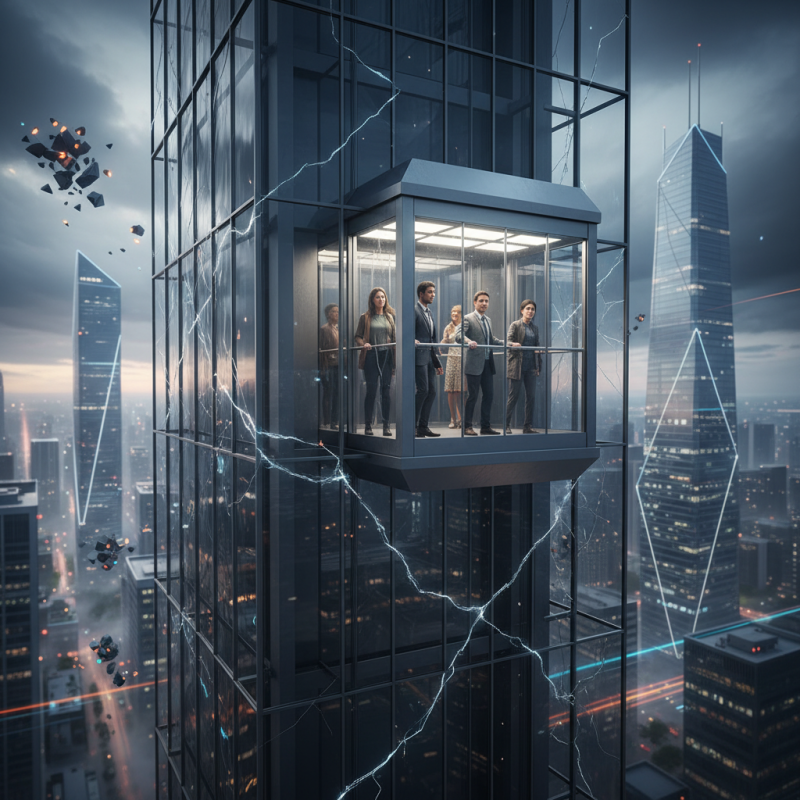
Are Glass Elevators Safe During an Earthquake in 2026?

Glass Elevator Design and Engineering Standards for Earthquake Safety

When considering the safety of glass elevators during an earthquake, designers face significant challenges. Glass elevators are often favored for their aesthetic appeal. However, they must also meet rigorous engineering standards, especially in earthquake-prone areas. The materials used must withstand seismic forces. Structural integrity is critical in ensuring passenger safety.

Earthquake safety in elevator design involves various factors. Engineers analyze the building's overall stability and the elevator's specific mechanics. Reinforcement is vital for glass panels. They should resist shattering under stress. Innovative design techniques are crucial in minimizing risks.

Additionally, practical concerns cannot be overlooked. Regular maintenance and inspections of elevators can help ensure they function properly. Public awareness of emergency procedures can also enhance safety. While glass elevators can be made safe for earthquakes, ongoing evaluation and improvement are essential in their design and use.

Historical Performance of Glass Elevators in Seismic Events

The performance of glass elevators in seismic events is critical to safety considerations. Historically, glass elevators have shown mixed results during earthquakes. In many cases, the structural integrity of the glass and the surrounding framework is vital. The materials used must meet strict industry standards for seismic resilience.

Reports from past earthquakes indicate that properly designed glass elevators can withstand shaking. However, incidents have occurred where glass panels shattered due to excessive force. This raises questions about their reliability. Engineers often recommend regular inspections and maintenance to ensure that all components function correctly.

During seismic activities, the ability of glass elevators to remain operational relies on their design and installation. Nevertheless, users must be cautious. During an event, opting for these elevators could be risky. The lack of a solid, enclosed space can foster anxiety. Ensuring safety requires transparency in both engineering and user experiences.

Are Glass Elevators Safe During an Earthquake in 2026? - Historical Performance of Glass Elevators in Seismic Events

Year Location Magnitude (Richter) Glass Elevator Performance Damage Reported
1995 Kobe, Japan 7.2 Operational with Minimal Issues None
2008 Sichuan, China 7.9 Functional; No Evacuations Needed Minor Cracks
2011 Tohoku, Japan 9.0 Severe Performance Issues Significant Damage
2016 Central Italy 6.6 Operating Normally Minimal
2021 San Francisco, USA 6.5 No Failures Recorded None

Key Structural Features Enhancing Glass Elevator Resilience in Quakes

Glass elevators present unique challenges during earthquakes, but innovative structural features enhance their resilience. Engineers focus on the materials used. Laminated glass offers superior strength. It can withstand significant stresses. This type of glass remains intact even when cracked, limiting hazards during seismic events.

Another critical feature is the use of flexible support systems. These systems absorb vibrations and movements, allowing the elevator to sway without compromising integrity. The design also incorporates advanced seismic dampers. These dampers dissipate energy from seismic waves, and such adaptations improve safety for riders.

Despite improvements, concerns linger. Elevators can still malfunction during severe quakes. Emergency protocols must be clear, as riders may feel panicked in emergencies. Regular maintenance is crucial to ensure reliability. Engineers must continually assess and optimize designs, as it’s an ongoing process to safeguard the future of glass elevators in earthquake-prone areas.

Evaluating Industry Safety Regulations and Guidelines for Earthquake Scenarios

Glass elevators have become increasingly popular in modern architecture. However, their safety during an earthquake is a significant concern. Industry safety regulations aim to address this issue. Guidelines suggest that these elevators must withstand seismic forces. This ensures passenger safety even in severe tremors. Yet, not all installations adhere to these strict protocols.

Evaluating the effectiveness of current regulations reveals gaps. Some buildings may lack comprehensive seismic assessments. Additionally, the materials used in glass elevators must be robust. How well do these materials perform under stress? Experts emphasize the need for regular inspections and maintenance. This can prevent potential failures when an earthquake strikes.

There is always room for improvement in safety measures. Developing new technologies can enhance elevator resilience. It is crucial for engineers to innovate and adapt to evolving seismic challenges. Community awareness about safety standards should grow. Passengers must understand the risks involved with glass elevators during earthquakes. This knowledge is vital in urban environments prone to seismic activity.

Technological Innovations Improving Earthquake Safety in Vertical Transportation Systems

As urban areas face seismic threats, glass elevators are not exempt from scrutiny. Recent technological advancements aim to enhance earthquake safety in vertical transportation systems. Innovations like advanced seismic detectors now help these elevators respond swiftly during tremors.

Developers are integrating reinforced materials and improved design features to enhance resilience. Some structures include base isolation systems, allowing elevators to move independently from building sway. However, challenges remain. The glass structure can raise concerns about visibility and potential hazards during an earthquake.

Not all elevators are designed the same way, leading to inconsistencies in safety measures. Ensuring that every glass elevator meets strict safety standards is crucial. While these innovations present promising solutions, ongoing evaluations and real-world tests are necessary. Continuous improvements are needed to build public trust in glass elevators during an earthquake scenario.

Are Glass Elevators Safe During an Earthquake in 2026?

FAQS

: What affects the performance of glass elevators during earthquakes?

: Structural integrity and materials used significantly impact performance during seismic events.

Are glass elevators safe during an earthquake?

Properly designed glass elevators can be safe, but risks exist. Users should be cautious.

What features enhance a glass elevator's resilience?

Laminated glass and flexible support systems improve strength and absorb vibrations.

Can glass elevators malfunction during severe earthquakes?

Yes, malfunctions can occur, raising safety concerns. Regular maintenance is vital.

How can technological innovations improve earthquake safety for elevators?

Advanced seismic detectors and reinforced materials enhance safety and functionality during tremors.

Why is regular maintenance important for glass elevators?

It ensures all components work correctly and improves overall reliability during seismic events.

What should users do if in a glass elevator during an earthquake?

It's advisable to remain calm and use emergency protocols if feelings of panic arise.

Are all glass elevators designed with the same safety features?

No, design variations can lead to inconsistent safety measures. Standards are essential.

How can public trust in glass elevators be built?

Continuous improvements and real-world testing are necessary to establish confidence in safety.

What role do emergency protocols play during a seismic event?

Clear protocols help guide riders and reduce panic in emergencies, improving response efficiency.

Conclusion

The article titled "Are Glass Elevators Safe During an Earthquake in 2026?" explores the safety and resilience of glass elevators in the context of seismic events. It discusses the design and engineering standards that govern their construction to ensure that they can withstand earthquakes. Historical data on glass elevator performance during past seismic events highlights their vulnerabilities and successes, providing insights into their reliability.

Key structural features that enhance the resilience of glass elevators in quakes are analyzed, along with the industry safety regulations and guidelines that specifically address earthquake scenarios. Furthermore, the article examines recent technological innovations improving earthquake safety in vertical transportation systems, ultimately addressing the central question: Are glass elevators safe during an earthquake? Through a comprehensive overview, it aims to inform readers about the advances and precautions necessary for ensuring the safety of glass elevators in potentially hazardous environments.

Henry

Henry

Henry is a dedicated marketing professional with a profound expertise in the company's offerings. With years of experience in the industry, he possesses an impressive understanding of the market dynamics and consumer behaviors that drive success. Henry is committed to sharing his insights through......