Dave Lift
In modern architecture, home elevators are becoming increasingly common. According to a recent report by the National Association of Home Builders, about 4% of new homes include elevators, a figure that is expected to rise. Homeowners want convenience without compromising aesthetics. This raises the question: How to hide a home elevator in interior design?
Many interior designers now face this challenge. A hidden elevator not only enhances the overall style but also meets practical needs. Effective solutions can include custom cabinetry or cleverly placed artwork. However, achieving a seamless design can be difficult. Mistakes can disrupt the flow of a room. It requires careful planning and creativity to ensure it blends perfectly.
Additionally, there is a growing demand for multifunctional spaces. As homes become more compact, finding room for an elevator while keeping it discreet is essential. A well-designed hidden elevator can improve usability and maintain elegance. Therefore, understanding the best strategies is crucial for homeowners and designers alike.
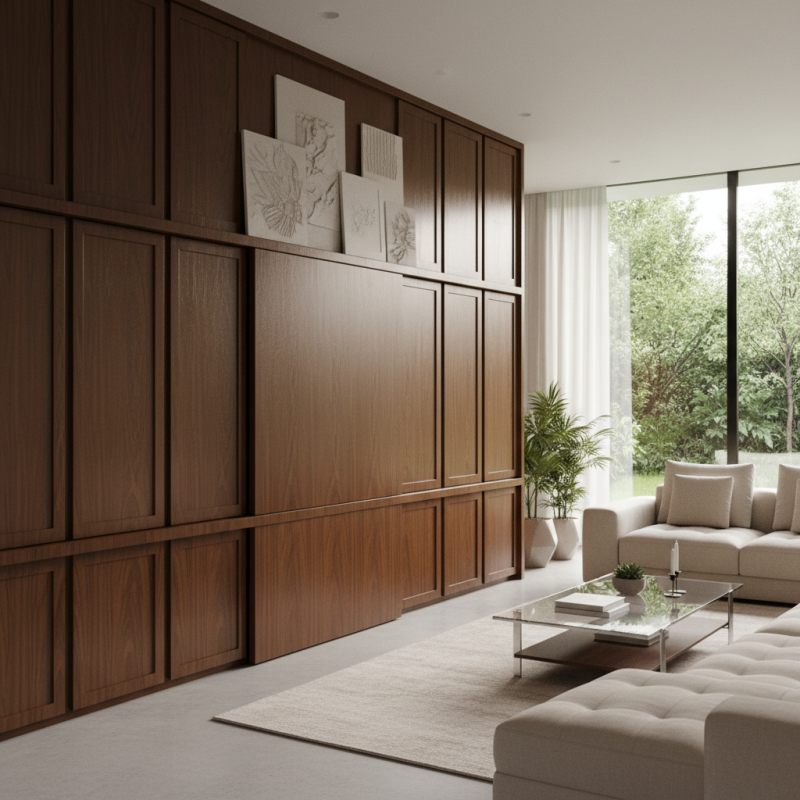
Home elevators are becoming integral in modern interior design. These features elevate accessibility and style, blending utility with aesthetics. According to a report by the National Association of Home Builders, nearly 25% of new homes now include elevators. This shift reflects changing demographics and lifestyle choices.
Incorporating a home elevator can improve overall design harmony. However, proper integration requires thoughtful planning. Designers often face the challenge of aligning the elevator's structure with the home's existing layout. A seamless design involves using matching materials, colors, and finishes. This consideration ensures the elevator complements the overall ambiance rather than detracts from it.
Elevators must also serve a functional purpose. They enhance mobility for all family members, particularly aging adults. However, some designs may feel bulky or out of place. Striking the right balance between functionality and sophistication is essential. It's important to assess how the elevator interacts with spaces like staircases and living areas. Prioritizing both form and function can lead to more flexible and inclusive designs in modern homes.
Concealing a home elevator can enhance the aesthetic appeal of your space. According to industry reports, homeowners are increasingly prioritizing seamless design. A 2022 study found that 45% of affluent homeowners prefer hidden features in their interiors. This trend reflects a desire for elegance and functionality without compromising style.
Incorporating design elements can effectively disguise an elevator. One strategy is to use cabinetry. Custom cabinetry can blend the elevator door with surrounding furniture. Soft colors and textures will maintain a cohesive look. Mirrors can also create an illusion of space, making the elevator less conspicuous. Textured wallpapers are another option to divert attention from the mechanical features.
Tips: Consider adding artwork that overlaps the elevator door. This draws the eye away while providing a focal point. Additionally, utilizing ambient lighting can soften hard edges, ensuring the elevator integrates into the overall design. A common pitfall is underestimating the impact of small details. Regularly reassessing these elements can lead to a more refined approach.
The key is to think creatively about how to merge functionality with aesthetics. Each home is unique, and design should reflect that individuality. Remember, the goal is to create space that feels both luxurious and practical, offering ease without distraction.
When integrating a home elevator into interior design, choosing the right materials and finishes is essential. The goal is to create a seamless look that enhances the overall aesthetic. According to a recent report by the National Association of Home Builders, over 20% of homeowners consider elevators for their convenience, and blending them cleverly can elevate the design.
Wood paneling is a popular choice for elevator interiors. It can reflect warmth and elegance while matching other design elements in the home. In contrast, metal finishes, such as brushed nickel or stainless steel, offer a sleek, modern touch. Both materials can be customized with unique textures and colors. High-quality options often provide lasting beauty and function, essential for long-term value.
Recent trends show that glass and acrylic finishes are becoming increasingly popular for home elevators. They allow for open, airy designs and can visually expand small spaces. However, installing these materials may require careful consideration of lighting and visibility. Homeowners should reflect on the balance between aesthetic appeal and practical functionality. Ultimately, creating a cohesive space with a hidden elevator requires deliberate choices in materials and finishes.
Integrating smart technology into home elevators can elevate the entire interior design experience. Modern homes are becoming smarter, and elevators are no exception. According to the National Association of Home Builders, 37% of new homes are already being equipped with smart technology. This trend not only enhances convenience but also can be customized to blend seamlessly with your design choices.
When planning for a hidden elevator, consider how technology can be integrated into your aesthetic. Smart elevators can include touchless controls, making them more user-friendly and hygienic. Many designs now utilize remote monitoring, ensuring safety and maintenance without disrupting your home's flow. Wall treatments can hide the elevator entrance, allowing for a pristine appearance.
Tip: Invest in smart lighting zones around the elevator to create ambiance and elevate mood without visible controls. Choosing finishes that match your interior can also help in achieving a cohesive look. Remember, the challenge lies in ensuring functionality without compromising style. Homeowners often overlook the need for practical access to controls. Balance is essential to avoid a tech-heavy aesthetic in a serene environment.
Hidden home elevators can enhance the function of a space while maintaining a cohesive design. One successful example is a modern home where an elevator is cleverly concealed behind a sleek wooden panel. This design choice not only enhances aesthetics but also does not disrupt the flow of the open-concept floor plan. Homeowners appreciated its functionality without sacrificing style.
In another case, a vintage-inspired home utilized a small, discreet elevator tucked within a stylish staircase. The elevator mimicked the surrounding materials, blending seamlessly with the overall décor. This clever design allowed for smooth transitions between floors, supporting accessibility while preserving the charm of traditional architecture. However, the integration required careful planning to ensure that the elevator door did not clash with the home's unique character. These examples illustrate that hidden elevators can merge function and design effectively, provided they are thoughtfully considered.
| Case Study | Design Element | Concealment Method | Key Features |
|---|---|---|---|
| Modern Villa | Wooden Paneling | Hidden within a bookcase | Elegant wood finish, no visible buttons |
| Contemporary Loft | Glass Walls | Integrated into acrylic panels | Minimalistic design, sleek functionality |
| Rustic Cabin | Barn Door | Disguised as a sliding door | Natural materials, vintage charm |
| Luxury Penthouse | Mirror Finish | Reflective surfaces | Illusion of space, high-end feel |
| Scandinavian Home | Built-in Cabinet | Concealed within cabinetry | Functional storage, seamless integration |
: Home elevators enhance accessibility and style, blending utility with aesthetics in modern homes.
Thoughtful planning and matching materials ensure that the elevator complements the home's ambiance.
Designers must align the elevator's structure with the existing layout to maintain a seamless look.
Wood adds warmth, while metal offers a sleek, modern touch, both enhancing overall design.
These materials create open designs and visually expand small spaces, but require careful lighting consideration.
Yes, hidden elevators can enhance functionality and aesthetics when integrated thoughtfully.
They should reflect on aesthetic appeal versus practical functionality for long-lasting design.
They facilitate mobility while preserving the home’s overall charm and design without disruption.
Some designs may feel bulky or out of place, necessitating careful planning and assessment.
Prioritizing both aspects leads to flexible and inclusive designs that suit modern living.
In exploring "How to hide a home elevator in interior design," the article delves into the crucial role that home elevators play in modern living spaces while maintaining aesthetic appeal. It discusses innovative design strategies that allow for the seamless integration of elevators into the overall interior layout, ensuring they complement rather than disrupt the flow of the home.
Furthermore, the article emphasizes the importance of selecting appropriate materials and finishes that can effectively blend elevators into various interior styles. It also highlights the integration of smart technology as a means to enhance the functionality and design of hidden elevators. By showcasing successful case studies, the article provides practical examples of how homeowners can achieve both convenience and elegance through intelligent design choices in concealing home elevators.
