Dave Lift
Maintaining a home elevator is vital for safety and performance. According to industry expert John Smith, "Regular maintenance ensures a reliable experience for users." This brings us to the question, "How often does a home elevator need maintenance?" Many homeowners are uncertain about the frequency and importance of such upkeep.
Elevators, like any other home appliance, require routine check-ups. Experts recommend scheduled maintenance every six months. However, the need might vary depending on usage and the model. A neglected elevator may lead to costly repairs and unsafe conditions.
With elevators being complex machines, their maintenance often involves checking cables, gears, and electrical systems. Homeowners should discuss their elevator's specific needs with a qualified technician. Timely maintenance can make a significant difference. Ignoring it could mean facing unexpected issues. Regular servicing not only enhances safety but also ensures smoother operation. Prioritizing this aspect of home ownership reflects responsibility and awareness.
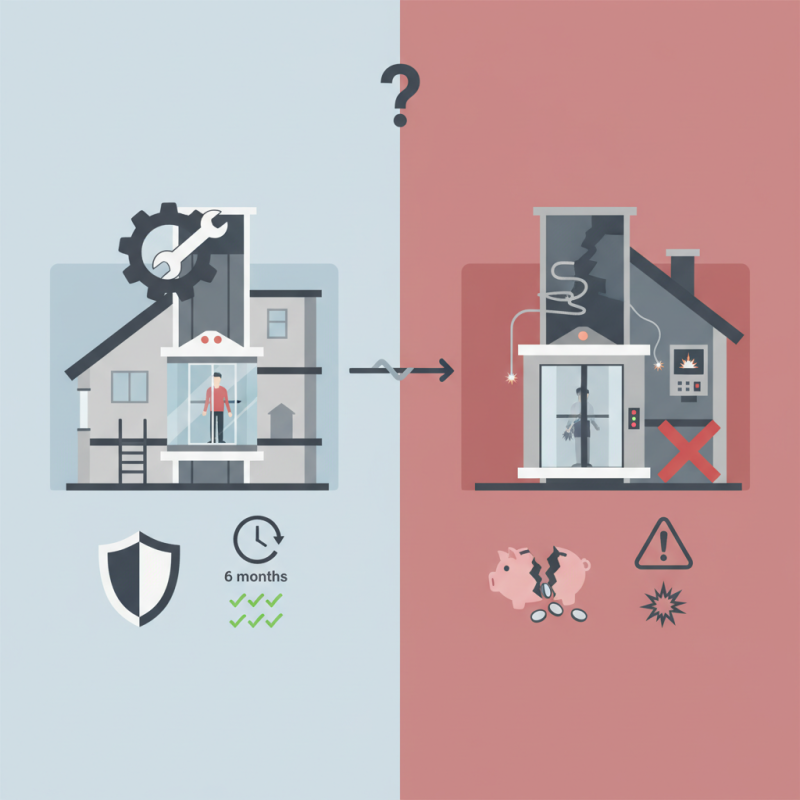
Regular maintenance of home elevators is crucial for safety and reliability. According to the National Elevator Industry, over 30% of reported accidents occur due to lack of maintenance. This statistic underlines the importance of routine check-ups. Ignoring maintenance can lead to unexpected failures and costly repairs.
Experts recommend inspections at least twice a year, but monthly checks can enhance safety. Even minor issues, like door malfunctions, can escalate if neglected. Keeping an eye on cable wear or unusual noises can save homeowners from hazardous situations. The Elevator Safety Association emphasizes that proactive care increases lifespan and decreases long-term costs.
Homeowners should not just rely on service contracts. Familiarizing themselves with basic operational checks can empower them. Regular maintenance creates peace of mind. It ensures that the elevator operates smoothly and safely. In a world where convenience matters, let’s not compromise safety for ease.
Regular maintenance of your home elevator is crucial to ensure its safety and longevity. This chart illustrates the recommended frequency for maintaining your home elevator, highlighting the importance of sticking to a regular schedule to avoid potential issues.
Maintaining a home elevator is essential for safety and longevity. Regular maintenance ensures smooth operation and helps prevent costly repairs. Many homeowners are unsure how often they should schedule this upkeep. Generally, a maintenance check every six months is recommended for optimal performance.
During each visit, technicians inspect various components, including cables, pulleys, and safety systems. They also lubricate moving parts and test emergency features. Homeowners must be attentive to signs of malfunction. Strange noises or slow operation may indicate immediate attention is needed.
Allowing maintenance to lapse can lead to bigger issues down the line. Sometimes, homeowners forget to adhere to their maintenance schedule. This oversight can cause the elevator to fail when it is needed most. Therefore, setting reminders or relying on professional services can help ensure the elevator remains in top condition.
Home elevators require regular maintenance to ensure safety and functionality. Many homeowners overlook this task, which can lead to costly repairs. It's essential to perform routine inspections. Check the elevator’s mechanical parts, such as cables and pulleys. These components can wear down over time.
Cleaning the interior and exterior is another crucial step. Dust and grime can accumulate, affecting performance. Don’t forget to inspect the doors and emergency systems. Ensure they operate smoothly. Small issues can escalate if neglected.
Be aware of unusual noises or movements when using the elevator. These are signs that maintenance is needed. Observing these details helps prevent larger problems. Keeping a maintenance log is beneficial. It keeps track of repairs and inspections. Regular upkeep promotes longevity and enhances safety for everyone in your home.
Home elevators provide convenience but require regular attention. It's crucial to recognize signs that indicate your elevator needs immediate care. According to the National Association of Elevator Contractors (NAEC), around 30% of residential elevators face operational issues at least once a year.
If your elevator makes unusual noises, it may signal worn-out components. Grinding or squeaking sounds can indicate misalignment or the need for lubrication. Additionally, if the elevator doors malfunction, failing to open or close properly, this can pose safety risks. Research from Elevator World magazine notes that door-related issues account for 25% of residential elevator service calls.
Frequent or sudden stops can also indicate serious mechanical problems. If the elevator unexpectedly halts between floors, it might mean that the brakes or control system are malfunctioning. Keeping track of these issues can save costs. The cost of a simple repair is often less than the price of replacing major components. Regular inspections can help, but paying attention to these immediate signs is your best first step.
When it comes to maintaining your home elevator, choosing the right professional service is crucial. Research indicates that regular maintenance can reduce operational failures by up to 30%. The elevator industry recommends inspections every six months to ensure safety and performance. Look for a service provider with certified technicians, as their expertise significantly impacts the longevity of your elevator.
Selecting a maintenance service requires careful consideration. Check their certifications and experience in the field. Ideally, choose a service that has been in business for at least five years. Ask for references to gauge their reliability. It is also wise to understand their maintenance plans clearly. Some providers offer tiered services; others might focus solely on emergency repairs.
Cost is always a factor. News reports show that the average maintenance contract ranges from $1,000 to $2,500 annually, depending on the elevator type. Evaluate whether the quoted price reflects the service level you expect. Prioritize transparency in their pricing structure, as hidden costs can lead to frustration. Not every service provider offers the same level of expertise, so research thoroughly before making a commitment.
: It’s recommended to schedule maintenance every six months for optimal performance.
Technicians check cables, pulleys, safety systems, lubricate moving parts, and test emergency features.
Unusual noises, malfunctioning doors, and sudden stops signal that repairs may be necessary.
Regular maintenance prevents costly repairs and ensures the elevator operates safely and smoothly.
Set reminders or rely on professional services to keep your elevator in good condition.
Look for certified technicians, their experience, service plans, and transparency in pricing.
Noises like grinding or squeaking can indicate worn-out components or misalignment.
Neglect can lead to major issues, increasing repair costs and safety risks.
Average annual maintenance contracts range from $1,000 to $2,500 depending on the elevator type.
Checking references helps you gauge reliability and the quality of service provided by the company.
Regular maintenance of home elevators is crucial for ensuring safety, efficiency, and longevity. Homeowners should ask themselves, "How often does a home elevator need maintenance?" Generally, it is recommended to conduct maintenance checks at least twice a year, but this can vary based on the elevator's usage and specific regulations.
Key maintenance tasks include inspecting the safety features, checking the mechanical components, and ensuring the elevator's electrical systems are functioning properly. Homeowners should also be attentive to signs that may indicate the need for immediate repairs, such as unusual noises, inconsistent operation, or warning lights. To ensure quality service, it's vital to choose a professional elevator maintenance provider with a good reputation and experience in handling home elevators. Regular maintenance not only enhances safety but also extends the life of the elevator.
