Dave Lift Dave Lift

How to Modernize an Old Cabin Lift from China?

Time:2026-09-29 Author:Henry
0%

An old cabin lift can still feel dependable, yet its controls may be slow, its lighting dim, or its door sensors outdated. Modernization is not simply a cosmetic upgrade. It means assessing how the lift operates today, identifying worn or obsolete components, and choosing improvements that suit the building and its daily use.

How to modernize an old cabin lift starts with a careful inspection by a qualified lift professional. The assessment should cover the drive system, controller, brakes, door operator, safety devices, wiring, and cabin condition. Record practical details: unusual vibration, uneven stops, delayed doors, or a warm electrical smell. Small clues matter. Do not assume that a lift made in China follows one standard design; models, components, documentation, and service histories can differ.

A sensible upgrade plan may include a more reliable controller, smoother drive, clearer floor indicators, brighter LED lighting, improved ventilation, or refreshed cabin finishes. But replacing parts without checking their compatibility can create new problems. That is the part many projects underestimate. Ask for written specifications, component warranties, maintenance requirements, and a clear account of what will remain unchanged. Have the installer explain how emergency communication and safety functions will be tested after the work.

The goal is a lift that feels more comfortable and operates more predictably, not merely one that looks newer. Some older systems may be better candidates for staged upgrades; others may need a broader replacement plan. A transparent condition report helps owners compare options, costs, and downtime before deciding. There is no shortcut around good inspection—and that is worth remembering.
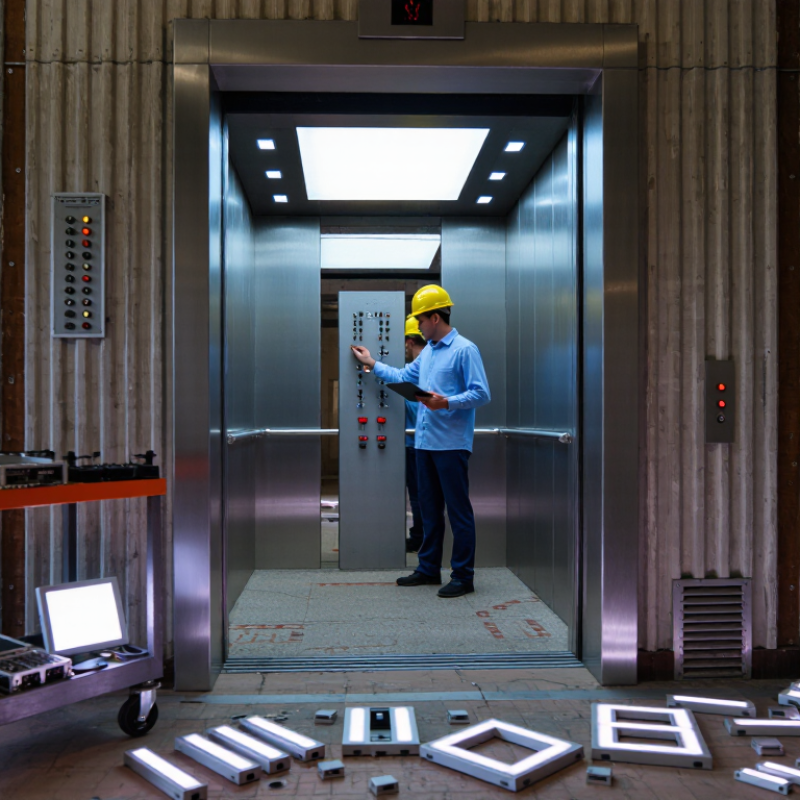
How to Modernize an Old Cabin Lift from China?

Assess the Existing Cabin Lift and Define Modernization Goals

How to Modernize an Old Cabin Lift from China?

Assessing an old cabin lift starts with evidence, not appearance. A polished cabin can hide worn guide shoes, weak door locks, or delayed brake response. Inspect the machine room, shaft, pit, controller cabinet, and landing doors. Record vibration, stopping accuracy, door timing, noise, oil leakage, and fault history. Measure twice.

China’s 2023 special-equipment statistics reported more than 10 million elevators in service. Many older units now face discontinued components, inefficient motors, and unreliable control systems. That scale makes careful assessment essential. A technician should verify the original load rating, travel height, duty cycle, emergency systems, and structural condition before proposing upgrades. Small faults matter.

Modernization goals must be measurable. Safety may require new door protection, improved braking control, or updated monitoring. Reliability may mean replacing aging wiring, relays, sensors, and drive components. Energy reduction also deserves attention. The International Energy Agency reports that buildings consume about 30% of global final energy, so efficient lift operation supports wider building performance goals. However, energy savings should not override emergency access or ride quality. A faster lift is not automatically a better lift. Define acceptable downtime, target stopping accuracy, accessibility needs, budget limits, and future maintenance support. Leave room for uncomfortable findings. Some cabins may need partial replacement, not cosmetic repairs. Some modernization plans look efficient on paper but fail in a damp pit or poorly ventilated machine room. Keep records. Recheck assumptions.

Check Local Codes, Lift Compatibility, and China-Sourcing Requirements

Modernizing an old cabin lift starts with the local authority having jurisdiction, not a supplier’s catalogue. Ask which current elevator, electrical, fire, and accessibility rules apply to your building and lift type. A residential cabin may face different requirements from a commercial passenger lift. Confirm inspection steps and approved safety devices before ordering parts. AARP’s 2021 Home and Community Preferences Survey found that 77% of adults aged 50 and older want to remain in their homes long term. That preference makes reliable access valuable, but it does not replace code compliance.

Next, check compatibility in the machine room and shaft. Record the rated load, travel height, door opening, controller type, power supply, and available pit and overhead clearances. Photograph the existing rails, landing doors, and wiring; small differences can stop installation. Ask a qualified lift professional to assess whether the existing structure can support the proposed equipment. Measure twice. An old drawing may not match the building.

For China-sourced equipment, request technical drawings, material specifications, test records, and installation instructions before purchase. Verify that components can be evaluated under local code and accepted by the local inspector; overseas certificates alone may not satisfy that process. Confirm the tariff classification, country-of-origin paperwork, shipping terms, and who handles customs charges with a qualified broker. The World Customs Organization’s Harmonized System provides the international framework for classifying traded goods, but national tariff schedules determine applicable import details. I would not assume a familiar-looking controller is plug-compatible. Check voltage, communication protocols, replacement-part availability, and warranty support in writing.

Choose Upgrade Components and Verify Supplier Specifications

Modernizing an old cabin lift from China starts with the existing machine, not a catalog. Measure the cabin, shaft, pit, overhead space, door opening, and guide rail spacing. Measure everything twice. Record the rated load, travel height, stopping levels, motor power, control voltage, and brake arrangement. Old drawings can be incomplete, and small differences may affect component compatibility.

Choose upgrade components that match the lift’s actual duty. A replacement controller should support the motor type, door system, safety circuit, and required operating frequency. Check the brake torque, emergency stopping method, overspeed protection, and backup power interface. Ask for evidence. Request wiring diagrams, dimensional drawings, load data, testing records, protection ratings, and operating temperature limits. Supplier specifications should use clear units and identify revision dates.

In practical retrofit work, I have seen attractive quotations omit shaft tolerances and spare-part details. That creates trouble during installation. Ask whether the new cabinet fits the existing enclosure space. Confirm connector types, cable lengths, inspection controls, and fault-code access before ordering. Verify that the supplier can provide installation guidance and technical responses in writing. My early checklists missed door alignment and landing sensor clearance. That mistake was expensive in time, even without replacing major equipment. Independent inspection and local compliance review should be planned before commissioning. Keep photographs, measurements, test results, and approved drawings in one project file.

Plan Installation, Commissioning, and Safety Testing

How to Modernize an Old Cabin Lift from China?

Plan Installation, Commissioning, and Safety Testing

Modernizing an older cabin lift starts with a careful site survey, not a parts order. Record the shaft dimensions, door openings, landing levels, and available power. Photograph worn brackets, cable routes, and control panels. These details help an installation team compare the existing structure with the new equipment drawings. Small mismatches matter.

Before delivery, confirm who will handle unloading, storage, installation, and inspections. Keep components dry and protected from dust. Check that the lift package, wiring diagrams, and operating instructions match the site requirements. Set a realistic schedule with time for adjustments. Old buildings rarely behave exactly as drawings suggest.

Commissioning should follow the equipment maker’s procedures and be completed by qualified lift professionals. Test door interlocks, emergency communication, leveling accuracy, overload response, and backup lowering. Use documented test results, not verbal assurances. Keep people clear of the shaft during testing. Then inspect fasteners, wiring connections, and door operation under normal use. A checklist can miss a subtle vibration or a door that closes unevenly, so allow time to observe the lift through repeated cycles. If anything feels inconsistent, pause and investigate before handover. Safety deserves the extra day.

Set Up Routine Maintenance and Performance Monitoring

An older cabin lift may still run, but its condition can change quietly. Set a maintenance schedule based on its service history, usage, and the lift maker’s instructions. A qualified technician should inspect doors, brakes, cables, controls, and emergency communication equipment. Keep each visit recorded with the date, findings, and repairs. Small notes matter. A door that closes slowly on rainy mornings may reveal a pattern worth checking, not ignoring.

Performance monitoring does not need complex software. Track trips, unusual stops, door cycles, fault messages, and time out of service. Compare readings month by month, and note changes after repairs. If vibration, noise, or leveling accuracy worsens, arrange an inspection rather than waiting for a breakdown. Use the equipment manual and a technician’s assessment to set acceptable limits. One missed reading can happen; repeated gaps make trends harder to trust.

Tips: Keep a simple log beside the maintenance records. Note the date, floor, symptom, and conditions, such as heavy use or damp weather. Never bypass a safety device to keep the lift running. If passengers report a problem, record their exact description; “a short jolt near the second floor” is more useful than “it feels odd.” Monitoring takes steady effort, and the first few months may expose gaps in the routine. That is worth correcting.

FAQS

What should be measured before choosing lift upgrade components?

Measure the cabin, shaft, pit, overhead space, door opening, and guide rail spacing. Measure twice. Record load, travel height, stopping levels, motor power, control voltage, and brake arrangement.

How can I check whether a replacement controller will fit the lift?

Confirm it supports the motor, door system, safety circuit, and operating frequency. Check brake torque, stopping method, overspeed protection, and backup power connections.

Which documents should I request from a supplier?

Request wiring diagrams, dimensional drawings, load data, testing records, and protection ratings. Check that units are clear and revision dates are shown. Details matter.

What practical fit details are easy to overlook?

Check cabinet space, connector types, cable lengths, inspection controls, and fault-code access. Ask for installation guidance in writing. Door alignment matters too.

How should an older lift be maintained?

Set a schedule using service history, usage, and the equipment manual. A qualified technician should inspect doors, brakes, cables, controls, and emergency communication equipment. Record every visit.

What information belongs in a lift performance log?

Track trips, unusual stops, door cycles, fault messages, and downtime. Note the date, floor, symptom, and conditions, such as damp weather or heavy use.

Which changes should prompt a technician’s inspection?

Worsening vibration, unusual noise, or poor leveling accuracy deserve attention. Compare readings over time. Do not wait for a breakdown.

How should passenger complaints be recorded?

Write down the exact description. “A short jolt near the second floor” is more useful than “it feels odd.” I would not rely on memory alone.

Can a safety device be bypassed to keep the lift running?

No. Never bypass a safety device. Arrange an inspection instead, and keep measurements, photographs, test results, and approved drawings together. My first checklist missed small clearances; I would check them again.

Conclusion

How to modernize an old cabin lift begins with a careful assessment of its current condition, including the cabin structure, lifting mechanism, controls, safety devices, and electrical system. Define clear modernization goals such as improving reliability, energy efficiency, ride comfort, accessibility, and operational safety. Before selecting any equipment, review local building and lift regulations, confirm compatibility between existing components and proposed upgrades, and identify the documentation, certification, and sourcing requirements for purchasing components from China.

Next, choose upgrade parts according to verified technical specifications, load capacity, dimensions, control compatibility, and safety standards. Request complete drawings, testing records, installation guidance, and quality information from suppliers. Develop a detailed installation plan covering site preparation, component replacement, commissioning, emergency procedures, and independent safety testing. After the lift is returned to service, establish routine inspections, lubrication, cleaning, fault recording, and performance monitoring. Regularly reviewing operating data and maintenance results can help identify wear early, reduce downtime, and ensure the modernized cabin lift remains safe, dependable, and compliant.

Henry

Henry

Henry is a dedicated marketing professional with a profound expertise in the company's offerings. With years of experience in the industry, he possesses an impressive understanding of the market dynamics and consumer behaviors that drive success. Henry is committed to sharing his insights through......