 Dave Lift
Dave Lift
Dave Lift
Considering the question, "Can I install a lift in an existing house?" requires a careful approach. Many homeowners face accessibility issues as their needs change over time. Installing a lift can enhance mobility, convenience, and comfort. However, it's not just about convenience; it's about making a home functional for every stage of life.
Before making this decision, it's important to evaluate various factors. The structure of your house plays a significant role. Is there enough space? What type of lift is suitable? Consulting with professionals in home modifications is essential. They can assess your home and provide insights you may not consider.
Moreover, envisioning the process can be daunting. Installation might disrupt daily life. There can be unexpected costs. Homeowners must weigh the benefits against potential challenges. Understanding these aspects can lead to a more informed decision. The goal is to enhance your living space while ensuring it remains safe and practical.
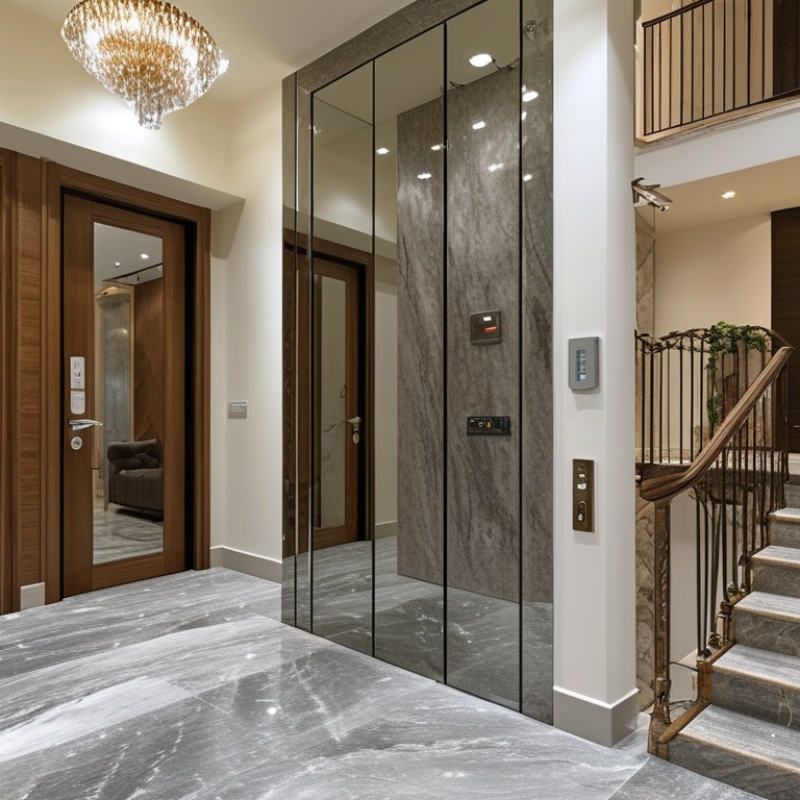
When considering whether to install a lift in your existing home, it's essential to evaluate your needs carefully. A lift can enhance mobility for elderly residents or those with disabilities. However, it is not a simple decision. Assess the layout of your home. Narrow staircases or uneven floors can complicate the installation. You might need a significant renovation, which can be costly.
Consider the daily routines of your household. Do family members frequently struggle with stairs? If so, a lift might be worthwhile. Think about how long you plan to stay in your home. If it's a long-term residence, investing in a lift could improve comfort and accessibility. On the other hand, if you might move soon, weigh the costs against potential resale value.
You should also reflect on the available space. Some homes have limited areas for lift installation, which may require designing around existing structures. It’s essential to consult professionals who can assess your home’s suitability for a lift. Your decision should cater not only to today’s needs but also to future accessibility challenges. Each situation is unique, and a thorough evaluation will guide your choice.
| Aspect | Details |
|---|---|
| Space Requirements | Minimum 4 sq ft for a compact lift |
| Weight Capacity | Typical lifts can carry 350-1000 lbs |
| Installation Time | 3 to 10 days depending on complexity |
| Cost Range | $15,000 - $100,000 based on lift type |
| Permits Required | Building permits are usually necessary |
| Maintenance | Regular checks recommended every 6 months |
| Accessibility Improvement | Enhances mobility for elderly and disabled |
: Measure available space and ensure safe access routes. Consider the lift's dimensions carefully, especially in smaller homes.
Consult a structural engineer to check the building’s framework. Look for weaknesses that could affect safety.
Yes, local building codes may have specific regulations. Ensure your home meets these standards to avoid issues.
Unforeseen structural adjustments can increase costs and timelines. Be prepared for possible complications during the process.
A pneumatic lift uses air pressure and is compact. It's ideal for small homes with limited installation space.
Hydraulic lifts are robust and can carry heavier loads. About 78% of homeowners choose them for their reliability.
Stairlifts attach to existing staircases and have easier installations. However, they can limit mobility within the home.
Expect costs to rise with unexpected adjustments. It is wise to budget for more than the estimated expenses.
Assess your mobility needs and available space beforehand. Each lift option has unique challenges to consider.
Check if existing floor plans allow for changes. Though unused corners may work, they might not always be practical.
When considering the question, "Can I install a lift in an existing house," several key factors must be evaluated. First, assess the specific needs for a lift, which may arise from mobility concerns or enhancing accessibility within the home. Next, carefully evaluate the available space and structural elements of the house to determine feasibility. Different types of home lifts are available, each with unique installation requirements and benefits, so understanding these options is crucial.
Once you've established the need and assessed the space, planning and budgeting for the installation is vital. This includes calculating potential costs and exploring financing options. Additionally, navigating the necessary permits and regulations is essential for compliance with local building codes. By thoroughly considering these aspects, homeowners can make informed decisions about installing a lift that meets their needs while ensuring a smooth and effective installation process.
