 Dave Lift
Dave Lift
Dave Lift
When considering the comfort and accessibility of a home, many people explore the option of installing a residential platform lift. These lifts provide essential support for individuals with mobility challenges. One common question arises: what is the lifespan of a residential platform lift? Understanding the durability of such an investment is crucial for homeowners.
Residential platform lifts are designed to last for years, often between 10 to 20 years, depending on multiple factors. The quality of materials, usage frequency, and maintenance practices all play significant roles. Heavy daily use can shorten a lift's lifespan. Regular inspections and timely repairs can enhance longevity, but neglect may lead to premature failure.
Investing in a reliable platform lift is important. It can improve your home's accessibility significantly. However, potential buyers should reflect on their specific needs and usage patterns. This knowledge helps ensure that they choose a lift that suits their lifestyle, maximizing the return on their investment. Understanding what is the lifespan of a residential platform lift becomes a vital part of this decision-making process.
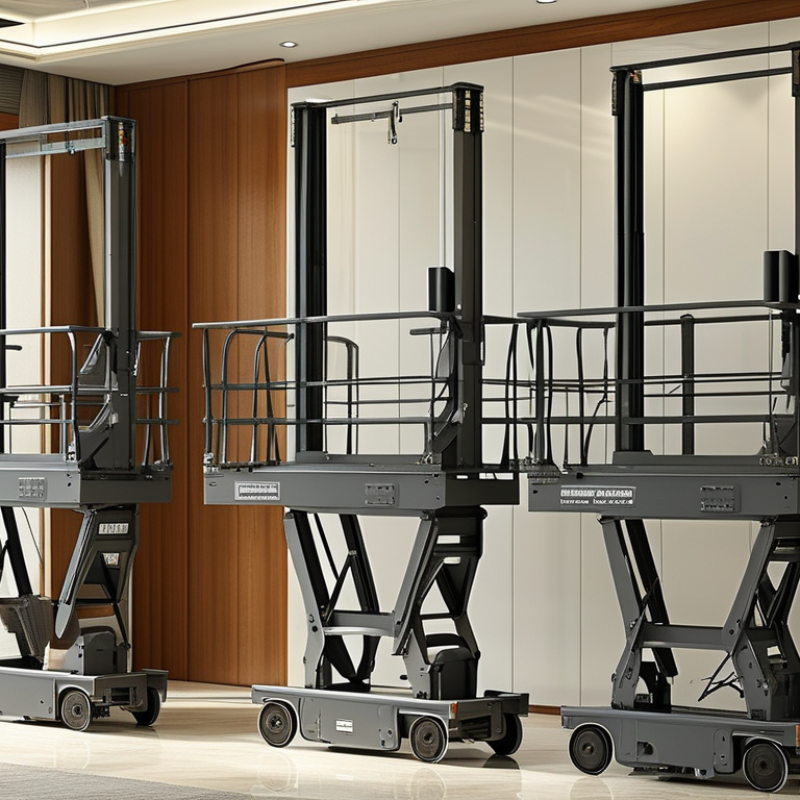
Residential platform lifts are essential for many homes, particularly those with mobility challenges. They offer convenient accessibility between levels. Understanding how these lifts work and their lifespan can significantly impact your home environment.
Typically, a well-maintained residential lift can last 10 to 20 years. Several factors influence this lifespan. Regular inspections and maintenance are critical. Sometimes, issues may arise unexpectedly, leading to downtime. This can disrupt daily routines. Additionally, the quality of installation plays a vital role. A lift installed improperly may face early wear and tear.
It's important to note that not all lifts are created equal. Environmental factors can also affect performance. For instance, homes in humid climates may experience corrosion. Awareness of these potential challenges is crucial. Investing in a reliable service provider can help prolong the lift's life.
Planning for future costs associated with repairs and upkeep is wise. These details contribute to a smoother experience with your residential platform lift.
: A well-maintained residential lift usually lasts between 10 to 20 years.
Daily use can cause faster wear and tear, leading to more repairs.
Humidity and extreme temperatures can lead to corrosion and reduced effectiveness.
Monthly inspections can catch issues early, preventing serious breakdowns later.
Look for unusual noises, persistent malfunctions, or noticeable rust.
Yes, poor installation can lead to misalignment, causing long-term problems.
If your lift lacks modern safety features, an upgrade might be necessary for safety and efficiency.
Investing in a reliable service provider can help with ongoing maintenance and repairs.
Neglecting maintenance can lead to serious breakdowns and safety issues.
While they might save money initially, cheaper materials can lead to higher repair costs later.
When considering "What is the lifespan of a residential platform lift," it is essential to understand the basic components and mechanics of these lifts. Various factors influence their longevity, including usage frequency, quality of materials, and environmental conditions. Generally, the average lifespan of a residential platform lift can range from 10 to 20 years, depending on the type and maintenance practices.
Regular maintenance plays a crucial role in extending this lifespan, ensuring that any wear and tear is addressed promptly. Homeowners should be vigilant for signs indicating it might be time for a replacement, such as unusual noises, inconsistent performance, or visible damage. By prioritizing maintenance and being aware of these indicators, one can keep the lift in optimal condition for many years.
