Dave Lift
Modernizing your old cabin lift can significantly enhance its performance and safety. For many cabin owners, the lift is an essential part of daily life. Over time, wear and tear can reduce efficiency and safety. Understanding how to modernize an old cabin lift is crucial for any cabin enthusiast.
Upgrading parts can lead to smoother operation. New materials and automation have come a long way. Modern systems can increase speed and reliability, but they also raise questions. Is this the right investment? Will you face installation challenges? Each cabin has unique needs. Evaluating these can help clarify whether modernization is worthwhile.
As you explore your options, consider professional guidance. Engaging experienced professionals can ensure that upgrades meet stringent safety standards. However, relying solely on experts may overlook personal preferences. It's important to reflect on the aesthetics and functionality that matter most to you. Balancing expert advice with your vision is key to achieving the best results.
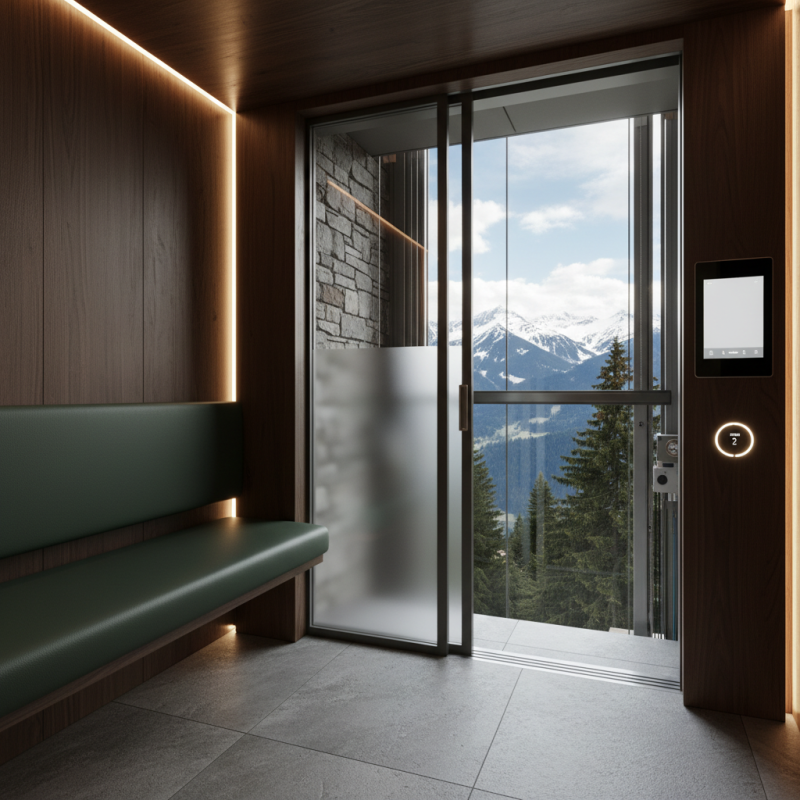
Assessing the current condition of your cabin lift is crucial for performance improvement. Regular inspections play a significant role in identifying wear and tear. Reports indicate that 30% of cabin lift issues stem from outdated components. Keeping an eye out for unexpected noises or irregular movements can prevent bigger problems down the line.
Consider the age of your lift. Lifts older than 15 years are at higher risk of failure. The International Association of Elevator Contractors states that modern lifts are designed with efficiency in mind. Upgrading key components, such as the control system, can lead to energy savings of up to 20%. It is essential to evaluate the functionality of safety measures, which can save lives and avoid costly repairs.
A thorough examination should also include reviewing the lift’s load capacity and operational limits. About 40% of accidents occur due to overloading. Inspect belts, pulleys, and cables for signs of degradation. Documenting your findings helps in developing a maintenance strategy. Ignoring these aspects may lead to safety hazards and prolonged downtime. Keeping records and reflecting on lift performance will guide necessary upgrades effectively.
When modernizing an old cabin lift, it's crucial to identify key performance areas. Start by assessing the lift's current condition. Look for signs of wear, unusual noises, or inconsistent speed. These issues can indicate areas needing improvement. Focusing on safety features is essential. Modern sensors and safety brakes can greatly enhance reliability.
Tips: Regular maintenance can prolong lift life. Schedule routine inspections to catch issues early. Small changes can lead to big improvements.
Next, consider efficiency. Older lifts often consume excessive energy. Upgrading to energy-efficient systems can reduce costs. Investigate new drive technologies for smoother operation. This not only benefits performance but also lowers environmental impacts.
Tips: Keep an eye on operational efficiency data. Tracking performance metrics can reveal patterns and suggest further upgrades.
Finally, think about user experience. Modern controls and accessibility features enhance usability. Streamlined interfaces can make the lift easier for all. This adds value beyond just functionality. A focus on the user experience can influence overall satisfaction.
Tips: Gather feedback from users. Their insights can highlight areas for further improvement.
Modernizing an old cabin lift can significantly enhance its functionality and performance. Upgraded components are essential for achieving these improvements. Consider replacing outdated motors with energy-efficient alternatives. New motors can provide better torque and reduce energy consumption. Additionally, installing advanced control systems can streamline operations. These systems offer features like remote monitoring and programmable settings, ensuring smooth functionality.
Another critical component is the lift's safety systems. Upgrading to modern safety features is vital for passenger protection. Newer safety mechanisms include improved braking systems and emergency alerts. These enhancements not only increase reliability but also build trust among users. Regularly inspecting and replacing worn-out cables and pulleys is necessary. Aging equipment can compromise safety and performance, creating potential risks.
When considering upgraded components, think about integration. Compatibility with existing systems is key. Some modifications might require additional adjustments. It can be challenging, and careful planning is necessary. Finding the right balance between modern components and the cabin's structure may involve a few trial and error. Collaborating with experienced professionals can help navigate these complexities, ensuring a successful modernization process.
Upgrading your cabin lift should always prioritize safety features. Modern standards enhance reliability and protect users. Adding emergency stop buttons is crucial. Position them within easy reach. This allows quick action during unexpected events.
Another essential upgrade is installing safety sensors. They detect obstacles and prevent accidents. Implementing these sensors significantly reduces the risk of injury. Regular maintenance checks can ensure they function properly. Neglecting these features could lead to unexpected breakdowns.
Consider using robust materials for your lift's components. Simplistic changes, like replacing outdated cables with advanced ones, can make a big difference. Check weight limits and adjust as necessary. Regular inspections on these parts can ensure long-term performance. Upgrading your cabin lift demands attention to both safety and efficiency.
| Feature | Description | Benefits | Estimated Cost |
|---|---|---|---|
| Safety Gates | Automatic gates that open only when the cabin is at the dock. | Reduced risk of accidents; enhanced user safety. | $1,500 |
| Load Sensors | Sensors that detect weight and prevent overload. | Prevention of lift failure and increased reliability. | $800 |
| Emergency Brake System | System that engages if the lift experiences failure. | Enhanced safety during emergencies. | $2,000 |
| Modern Control Systems | Updated control panels with user-friendly interfaces. | Improved user experience and operational efficiency. | $1,200 |
| Lighting Upgrades | Installation of energy-efficient LED lights inside the cabin. | Improved visibility and ambiance. | $500 |
Maintaining an old cabin lift after modernization is crucial for optimal performance and safety. Regular inspections should be scheduled to catch potential issues early. According to industry research from the Lift and Escalator Industry Association, timely maintenance can extend a lift's lifespan by 20-25%. This highlights the importance of diligent care.
Tip: Keep a maintenance log. Document every service performed. This helps track issues and can improve safety.
Upgrades can enhance efficiency, but neglect can lead to unforeseen problems. It's essential to train staff on the new systems. A study by the National Safety Council found that human error is a leading cause of lift accidents. Regular training sessions can mitigate risks and ensure proper use of the updated systems.
Tip: Leverage technology for monitoring. Utilize digital maintenance tools to streamline inspections and follow-up tasks. These tools provide alerts for due services, allowing proactive management.
While modernization brings benefits, awareness of ongoing maintenance needs is critical. Avoid overlooking minor issues. Prioritizing a detailed maintenance approach will not only enhance safety but improve operational reliability.
This bar chart illustrates the performance improvements seen after modernizing cabin lifts. The speed increased from 1.2 m/s to 2.5 m/s and the energy efficiency improved from 3.5 kWh to 2.1 kWh, demonstrating significant enhancements in both metrics.
: It helps improve performance and identifies issues early, like wear and tear.
Regular inspections are essential, ideally every few months, to catch potential problems early.
Lifts over 15 years may have outdated components and are at higher risk of failure.
Consider emergency stop buttons and safety sensors to enhance user protection.
Regularly check the lift’s load capacity and adjust operational limits accordingly.
It tracks services performed and helps identify recurring issues, thereby improving safety.
Training on new systems can counteract human error, a leading cause of lift incidents.
Digital maintenance tools can streamline inspections and provide alerts for needed services.
Ignoring minor issues can lead to safety hazards and more significant problems later.
Upgrades can improve efficiency, but they require diligent ongoing maintenance to be effective.
Modernizing an old cabin lift can significantly enhance its performance and safety features, making it a worthwhile investment. The first step is assessing the current condition of your cabin lift, which helps identify key areas that require improvement. Focus on upgrading components that will enhance functionality, such as more efficient motors or control systems.
Additionally, implementing modern safety features is crucial to ensure the lift meets current standards. Finally, adopting best practices for maintenance following the modernization will help prolong the lift's lifespan and maintain its performance. Ultimately, understanding how to modernize an old cabin lift involves a comprehensive approach that prioritizes both improvement and safety.
