Dave Lift
Installing a platform lift can significantly enhance accessibility. Yet, many ask, "How long does it take to install a platform lift?" This question is crucial for homeowners and businesses. According to a report by the Access Lift and Elevator Association, installation times can vary widely based on several factors.
The average installation takes 1 to 3 days. However, this timeframe can be affected by site conditions, lift type, and preparation work. If your space needs extensive modifications, expect additional delays. Misjudging these factors could lead to increased costs and frustration.
Understanding the installation duration is essential. It not only helps in planning but also in budgeting for the project. Seek advice from experienced professionals to obtain accurate timelines. They often provide insights that can anticipate potential obstacles. Ultimately, knowledge is key to a smoother installation experience.
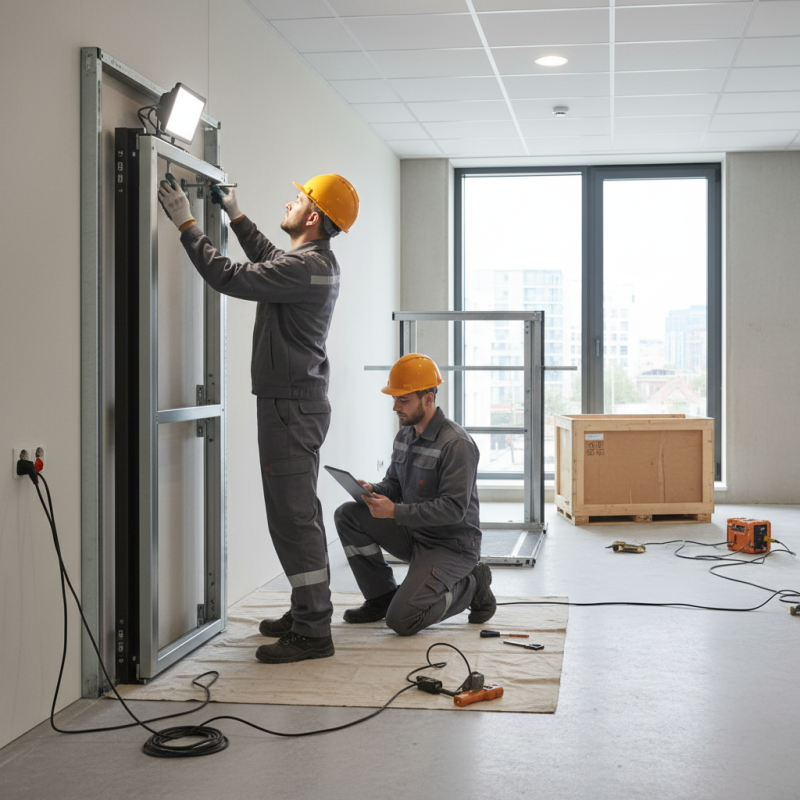
Platform lifts are essential for making spaces accessible. They are designed to assist individuals with mobility challenges. Installation requirements vary based on the lift type and the building structure.
When planning for a platform lift installation, several factors come into play. The space available is crucial. It's necessary to measure both the length and width of the area. Electrical requirements also need attention. A professional should assess whether existing electrical systems can support the lift.
Planning can feel overwhelming. Often, site conditions present unexpected challenges. Issues like uneven flooring or limited access points can arise. Being adaptable during this process is important. Seeking guidance from skilled professionals is beneficial. Their experience can help you navigate these complexities efficiently.
| Installation Stage | Estimated Time (Hours) | Key Considerations |
|---|---|---|
| Site Assessment | 2 - 4 | Evaluate space and requirements |
| Permit Acquisition | 1 - 3 | Local regulations and approvals |
| Delivery of Lift | 1 | Scheduling and logistics |
| Installation | 4 - 8 | Assembly and electrical work |
| Inspection and Testing | 2 - 3 | Safety checks and compliance |
| Final Adjustments | 1 - 2 | Tuning and final setup |
| Total Estimated Time | 11 - 21 | Overall installation process |
When considering platform lifts, several factors can significantly influence installation time. First, the lift's design and specifications play a crucial role. Customizations or specific requirements may extend installation. The complexity of your building structure is another element. For example, an older structure may require additional modifications.
Site readiness is vital. An unobstructed area simplifies access for workers and equipment. Poor site conditions can lead to delays, so preparation is essential before installation begins. Local regulations also impact timing. Sometimes, permits can take longer than expected to obtain, which can postpone the installation.
Tips: Always verify that your site meets all safety and accessibility guidelines before starting installation. Consider consulting with professionals for a thorough evaluation. This proactive approach can save time and ensure compliance.
Communication with installers is also key. Discuss your expectations regarding timelines and any potential issues they foresee. This dialogue helps set realistic goals for installation duration. Remember, unexpected challenges often arise during installation, so flexibility can aid in addressing them effectively.
Installing a platform lift can significantly improve accessibility in residential or commercial spaces. The process involves several key steps that require careful planning and execution. First, it is essential to assess the location for installation. Consider factors like space constraints and electrical access. According to industry reports, over 28% of platform lift installations face accessibility challenges.
Next, prepare the site. This includes ensuring the ground is level and all necessary permits are secured. Creating a detailed installation plan can help to identify potential issues early on. Lack of preparation may lead to a longer installation time and additional costs. Research shows that improper site preparation can extend the installation timeline by 25%.
When it comes to installation, follow manufacturer guidelines closely. Many systems require professional assembly, but some can be a DIY project. Safety should always be the first priority. Verify that all safety features, such as emergency brakes and alarms, work correctly. Also, ensure the lift meets local codes.
Installing a platform lift can seem straightforward, but it's often fraught with challenges. One common issue is site assessment. A recent report from the Accessibility Industry Association highlights that 30% of installations face unexpected spatial limitations. Accurate measurements and planning are critical. Misjudging space not only delays installation but can lead to additional costs.
Electrical requirements present another hurdle. Many lifts need specific wiring setups. A survey by the Lift and Escalator Industry Association notes that 25% of projects have electrical compliance issues. It’s vital to engage qualified electricians early in the process. They ensure that the lift meets local codes and functions optimally.
Lastly, safety inspections can slow progress. Data shows that around 20% of installations require additional safety updates after initial evaluations. Stakeholders must allocate time for compliance checks to prevent future liabilities. Addressing these challenges proactively can smooth the way for a successful platform lift installation.
Installing a platform lift can be a complex task, but there are ways to speed up the process. Research from the National Association for Home Builders indicates that proper planning can reduce installation time by 30%. One key tip is to ensure all necessary permits are secured before the installation. Delays caused by waiting for approvals can extend the process significantly, sometimes up to several weeks.
Another effective strategy is engaging experienced installers. According to industry reports, professional installers can complete the job in half the time compared to less experienced workers. They not only understand the technical aspects but also have valuable insights into common pitfalls. For instance, ensuring that the lift’s electrical connections are pre-installed can save crucial hours on-site.
Lastly, consider the lift’s location and the surrounding environment. Complications like nearby construction or limited space can hinder progress. Conducting a thorough site assessment before installation may reveal potential issues. Addressing these concerns upfront can lead to a smoother installation process and ultimately save time. Remember, even minor oversights can lead to significant delays.
: Assess the location, including space constraints and electrical access. These factors are crucial for a successful installation.
Ensure the ground is level, and secure all necessary permits. A detailed installation plan helps identify issues early.
Unexpected spatial limitations and electrical compliance issues are frequent challenges. Accurate measurements and strategies prevent delays.
Following guidelines is critical. Some lifts may require professional assembly, while others might be suitable for DIY projects.
Verify that emergency brakes and alarms function correctly. All lifts must also comply with local safety codes.
Secure all permits in advance and hire experienced installers. Pre-installed electrical connections can greatly reduce on-site time.
Consult with a professional. Their expertise can help navigate unexpected challenges and keep the project on track.
A proper site assessment identifies potential spatial limitations. Misjudging space may lead to delays and extra costs.
Address required safety updates promptly. This prevents future liabilities and ensures the lift operates securely.
Complete a thorough site assessment and address potential issues early. Even minor oversights can lead to significant delays.
Installing a platform lift is a process that requires careful consideration of several factors, including the location, type of lift, and specific installation requirements. How long does it take to install a platform lift? The installation duration can vary significantly based on these factors, typically ranging from a few days to several weeks. Understanding the step-by-step process, such as preparing the site, assembling the components, and ensuring compliance with safety standards, can aid in estimating the timeline.
However, common challenges may arise, including site-specific obstacles and technical complications, which can prolong the installation. To expedite the process, it is advisable to thoroughly plan the installation, communicate effectively with contractors, and address any potential issues beforehand. By following these guidelines, one can achieve a smoother installation experience for their platform lift.
