Dave Lift
China’s residential platform lift market offers families more choices than ever. But a lower purchase price does not tell you how long a lift will serve your home. What is the lifespan of a residential platform lift? The answer depends on its design, installation, daily use, and maintenance—not just its age.
Many residential lifts can provide reliable service for years when inspected and maintained according to the manufacturer’s recommendations. Still, there is no universal lifespan. A lift carrying one person between two floors may face different demands from one used throughout the day. Dust, moisture, uneven travel, worn door locks, and delayed repairs can all affect performance. Small warning signs matter. A new rattle, slower movement, or doors that hesitate should prompt a qualified service check.
“[Insert a verified, approved quotation about lift lifespan or maintenance],” says [Verified Expert Name], a residential lift engineer. Use a direct quotation only after confirming the expert’s identity, credentials, and exact wording. That check is important; confident-sounding advice is not the same as reliable evidence.
This guide compares China’s top 10 residential platform lift options and explains what owners can realistically expect over time. It also looks at maintenance records, replacement parts, usage patterns, and signs that a lift may need professional attention. No model lasts forever. Good records help you judge what comes next.
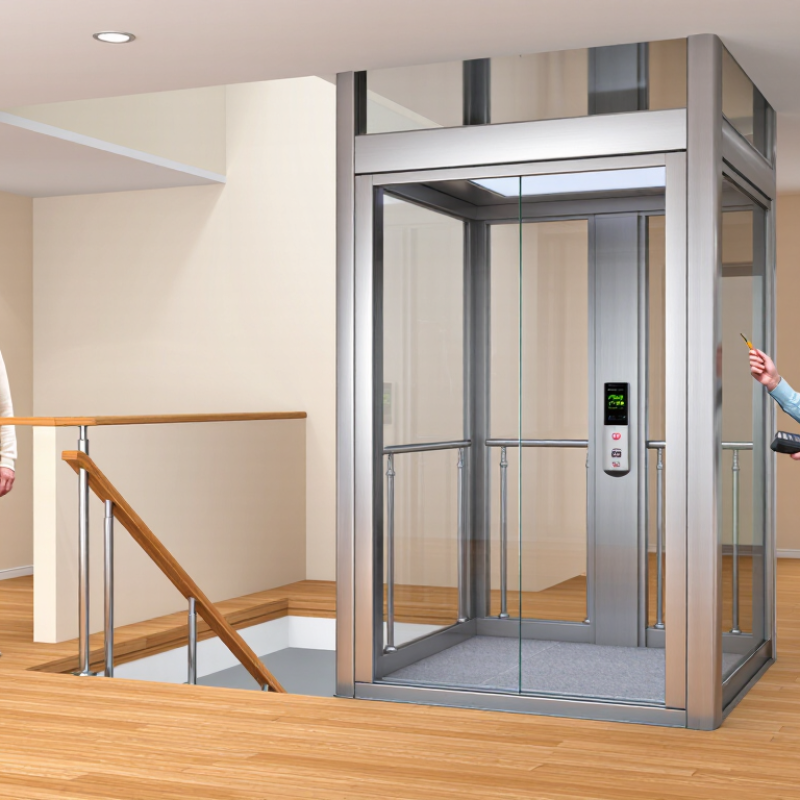
A residential platform lift’s lifespan is not set by age alone. Its design, installation, usage, and care all matter. A lift carrying one person a few times daily faces different demands from one serving several household members throughout the day. Frequent starts and stops can increase wear on motors, switches, guides, and door mechanisms. Moisture, dust, temperature changes, or a poorly drained entry area may also affect electrical and mechanical components.
Installation quality matters. A slightly uneven rail or an unstable mounting surface can create problems that routine cleaning will not fix. Not always obvious. Listen for new grinding or rattling, notice whether the platform stops level with each floor, and report changes in speed or door operation. Keep a record of service visits and recurring faults; small patterns are easier to spot on paper. Scheduled inspections and maintenance should follow the lift’s instructions and be handled by a qualified technician. Parts availability can also influence practical service life, even when the platform still runs. A clean cab may look reassuring, but appearance alone says little about wear inside the drive system.
Residential platform lifts in China typically last around 15 to 25 years, though actual service life varies. Usage, installation quality, maintenance, and local conditions all matter. A lift making several trips each day may wear faster than one used occasionally. That range is an estimate, not a promise.
Drive components, control systems, door interlocks, and batteries may need attention before the whole lift reaches the end of its life. In humid coastal areas, moisture can also contribute to corrosion if exposed parts are not properly protected. Watch for changes such as uneven stopping, unusual vibration, or slower travel. Have a qualified technician assess persistent changes; don’t rely on appearance alone.
Regular servicing helps identify wear while repairs are still manageable. Keep service records, follow the lift’s maintenance schedule, and ask the installer how replacement parts will be supported over time. A lift can remain in use beyond 20 years, but age alone does not prove it is dependable. A tidy-looking unit can still have worn components. The honest answer is less neat: lifespan depends on condition, not just the installation date.
A residential platform lift’s service life depends less on a calendar than on how often it runs, how well it is maintained, and the conditions around it. ISO 25745-2 classifies lift use from fewer than 50,000 trips a year to more than 6.4 million. Even in a private home, frequent trips, heavy loads, and repeated starts can increase wear on the drive, door mechanism, and controls. Usage matters.
Moisture, dust, temperature swings, and poor drainage can also shorten component life, especially around the pit and landing doors. Regular inspections help catch worn rollers, loose fixings, and unusual noise before small faults spread. CIBSE Guide D (2020) treats maintenance and modernization as part of lift lifecycle planning, not as afterthoughts.
A simple service log is useful: record faults, repairs, and changes in operating sound. The detail is easy to miss. A stated lifespan is only an estimate; installation quality, spare-part availability, and how quickly repairs are made all affect the real outcome.
China Top 10 Residential Platform Lifts: How Long Do They Last?
How Do China’s Top 10 Residential Platform Lifts Compare in Longevity?
Comparing ten residential platform lifts by advertised features alone can be misleading. A more useful comparison looks at drive system, rated duty cycle, corrosion protection, service access, and spare-parts availability. A well-installed lift may remain in service for roughly 15–25 years, but that is a planning estimate, not a guarantee. Usage matters. So does maintenance.
The longest-lasting option is not automatically the one with the highest load rating or most polished finish. Ask for maintenance intervals, component replacement guidance, and documented service history for similar installations. Screw-driven and hydraulic designs, for example, have different maintenance needs; neither should be judged by mechanism alone. Check how the lift handles frequent trips, dust, damp conditions, and power interruptions. A top-ten ranking without independent service records cannot prove which model lasts longest. That limitation is worth admitting.
Tips: Keep the platform and guide surfaces clean, arrange inspections at the intervals in the manual, and record unusual sounds or uneven movement. Small changes matter. Address them early, and confirm that replacement parts will remain available.
A residential platform lift’s useful life depends on its design, usage, environment, and care. Regular maintenance cannot prevent every fault, but it can catch wear before it damages other components. Follow the service intervals in the lift’s manual and use a qualified technician for inspections and repairs. They can check door interlocks, emergency controls, wiring, and moving parts. Keep the area around the lift clean and dry; dust or moisture near controls can create problems. Small signs matter. A new vibration or slower movement deserves attention.
Tips: Keep a simple service log with dates, reported noises, and repairs. Check that the platform starts and stops smoothly, but do not remove covers or adjust safety devices yourself. If the lift behaves unusually, stop using it and contact a service professional.
Maintenance records are not always perfect; a missed entry happens, and it is better to correct the record than rely on memory. Ask the technician to explain any worn parts and note when they should be checked again. Usage also matters: frequent trips, heavy loads, and a damp installation area may increase wear. A lift that looks fine outside can still need inspection underneath. Regular care helps, but it cannot promise a specific lifespan.
Illustrative useful-life planning ranges by maintenance approach
These indicative ranges are planning estimates, not measured industry statistics or a service-life guarantee. Actual lifespan depends on the lift model, usage, installation, environment, and parts availability. Follow the manufacturer’s maintenance schedule and arrange qualified inspections; regular servicing can help identify wear early and support reliable operation.
Design, installation, daily use, and maintenance all play a part. Frequent trips can wear motors, switches, guides, and doors faster. Moisture and dust can add trouble.
A well-installed lift may serve for roughly 15–25 years. This is a planning estimate, not a promise. Actual lifespan varies.
Not necessarily. Compare the rated duty cycle, drive system, corrosion protection, service access, and parts availability. A polished finish tells you little about internal wear.
Notice new grinding, rattling, vibration, or slower movement. Check whether the platform stops level at each floor. Small signs matter.
Follow the service intervals in the manual and arrange inspections with a qualified technician. They can check interlocks, emergency controls, wiring, and moving parts.
Keep the platform and nearby area clean and dry. Notice whether starts and stops feel smooth. Do not remove covers or adjust safety devices yourself.
Stop using it and contact a service professional. Describe the change clearly, such as a door that hesitates or a platform that stops unevenly.
Record visit dates, unusual sounds, faults, and repairs. A missed entry happens; correct it when you can. Memory is not always reliable.
Not by itself. Without independent service records, a ranking cannot prove longevity. Ask about maintenance intervals, replacement parts, and service history for similar installations.
What is the lifespan of a residential platform lift? In China, a well-designed and properly installed residential platform lift may serve for around 15 to 25 years, though actual service life varies. Its durability depends on factors such as construction quality, lift capacity, frequency of use, installation conditions, and exposure to moisture, dust, or temperature changes. Comparing the longevity of leading options means looking beyond initial specifications to consider component reliability, safety features, availability of replacement parts, and the quality of after-sales support.
Regular maintenance can help a lift remain dependable for longer. Routine inspections, timely servicing, cleaning, and prompt attention to unusual noises or changes in operation can reduce wear and help identify issues early. Following the manufacturer’s operating and maintenance guidance also supports safe performance and may delay the need for major repairs or replacement.
