When exploring the installation of a home lift, homeowners often ask, "What is the weight limit for a standard home lift?" According to industry expert John Smith, a well-known engineer in residential mobility solutions, "Understanding weight limits is crucial for safety and functionality." This statement highlights the importance of knowing the capacity of your lift.
Standard home lifts generally accommodate a weight limit ranging from 500 to 1,000 pounds. This limit varies by model and manufacturer. Factors such as the lift's design and the materials used play significant roles in determining this capacity. Ensuring your lift meets your specific needs is vital.
Many homeowners overlook load requirements. It’s essential to consider both the weight of passengers and any additional items. This oversight can lead to operational challenges. Regular consultations with experts help mitigate risks. Ultimately, knowing the weight limit is not just about figures; it is about ensuring a safe and efficient experience in your home.
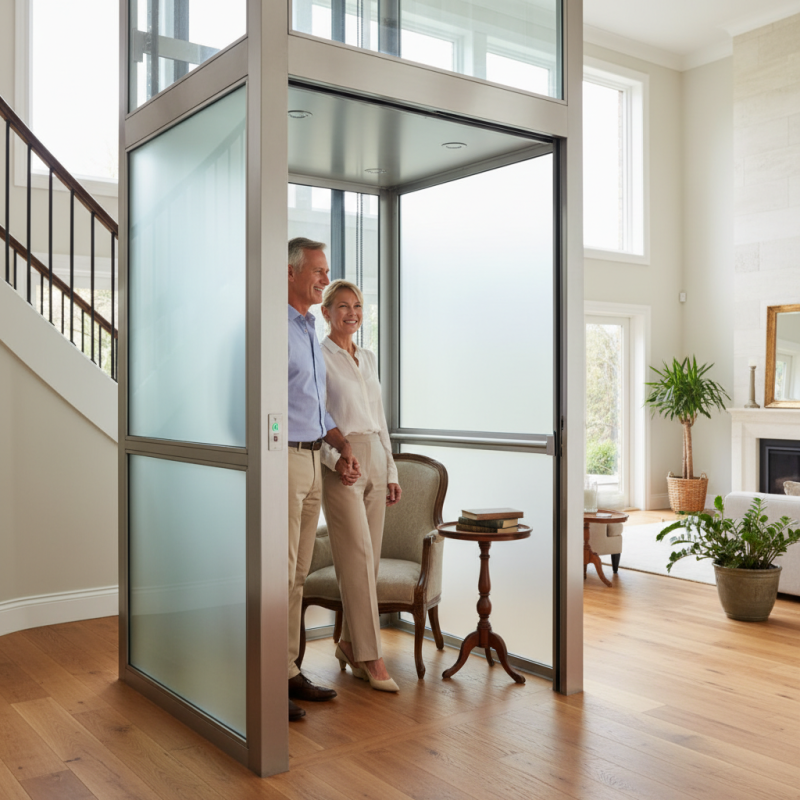
Understanding Standard Home Lifts and Their Weight Capacity
Home lifts provide convenience and accessibility in multi-story houses. But what is the weight limit for a standard home lift? The typical capacity of these lifts varies, with most home models accommodating between 450 to 1,000 pounds. Factors like design, materials, and intended use influence this capacity. According to industry reports, residential lifts are engineered to handle lighter loads than commercial lifts, typically designed for heavier, frequent use.
When considering installation, think about your specific needs. If you plan to transport heavy items or accommodate multiple users, choose a lift on the higher end of the weight spectrum. Rigorous testing standards ensure these lifts can safely manage their stated capacities. However, it is crucial to remember that exceeding the weight limit can lead to mechanical failures or safety hazards.
Tips for ensuring proper usage include:
- Regularly inspecting the lift for signs of wear,
- Adhering strictly to the manufacturer's guidelines, and
- Avoiding overloading.
Additionally, be mindful of the weight distribution within the lift. Placing heavier items on one side can create an imbalance and risks damaging the lift. Regular maintenance checks can prevent these issues and extend the lift's lifespan.
Factors Affecting Weight Limits of Home Lifts
Weight limits for standard home lifts can vary widely depending on several key factors. The average home lift typically supports between 450 to 1,000 pounds. This range allows for adequate capacity for multiple passengers and mobility devices. However, it's essential to understand the factors influencing these limits to select a lift that meets your needs.
One major factor is the lift's design and materials. Steel or reinforced aluminum structures often support heavier weights compared to standard materials. Additionally, the lift's motor power influences weight capacity. A higher horsepower mechanism allows for more weight without compromising safety.
Another important consideration is the intended use of the lift. For example, lifts designed for residential use often prioritize comfort over heavy lifting. In contrast, commercial models focus on robust handling and can accommodate much larger weights. According to a 2021 industry report, approximately 30% of home lift installations are customized, affecting weight limits based on individual requirements. Understanding these details helps in making an informed decision, ensuring safety and functionality.
Common Weight Limits for Different Home Lift Models
When considering a home lift, understanding the weight limits for various models is essential. Common weight limits for standard home lifts generally range from 350 to 1,000 pounds. This range accommodates diverse needs, from personal use to transporting heavy items. For instance, a basic model might support only 350 pounds. This limit often includes a standard wheelchair and occupant. As the demand for more robust solutions grows, many manufacturers design lifts with higher capacities.
Research from industry reports indicates that residential lifts with a weight limit of 750 pounds are particularly popular. This capacity suits many households effectively. However, even within this range, it is crucial to assess the specific needs of your family. Consider who will use the lift and how often. A household with multiple members might require a lift with a higher weight limit for practical daily use.
Potential buyers should also reflect on the future. Will the weight demands change over time? It’s wise to plan for possible scenarios. Lifts are a significant investment. An informed choice based on reliable data will ultimately lead to satisfaction. Remember, not all models are created equal, so investigating specifications is critical.
Safety Standards and Regulations for Home Lift Weight Limitations
When considering a home lift installation, safety is paramount.
Various safety standards govern the weight limits for residential lifts. Typically, these lifts can accommodate
a maximum weight ranging from 450 to 1,000 pounds. This range varies
based on the design and purpose of the lift. Homeowners should verify compliance with local building codes
to ensure safety.
Regulatory bodies often establish guidelines that manufacturers must follow.
These guidelines address construction materials and performance standards.
Different regions may have specific requirements. Failure to comply may not only endanger users but also
void warranties. Aspects like emergency stop features and
weight distribution are also crucial. Sometimes, the lift's maximum load capacity may be misunderstood.
It’s important to consult with professionals to avoid potential mishaps.
Understanding these regulations helps choose the right home lift. Users should consider necessary features
based on their specific needs. This reflection ensures both safety and functionality.
Trusting experts in the field bolsters reliability.
After all, the safety of users hinges on proper knowledge of weight limits and adherence to regulations.
Options for Increasing Weight Capacity in Home Lifts
When considering a standard home lift, understanding its weight limit is crucial. Most residential lifts typically support a maximum load of around 500 to 750 pounds. This figure can vary based on the model and design. Homeowners aiming to increase this capacity may explore various options.
One effective way to boost weight limits is through advanced engineering solutions like hydraulic systems. These are designed to handle more weight and ensure smooth operation. Additionally, opting for larger lift cars can accommodate greater loads while enhancing accessibility. According to industry reports, customized home lifts can be designed to carry over 1,000 pounds, depending on user needs.
Tip: Prioritize proper installation. Engaging experienced professionals guarantees that your lift meets safety standards and can handle increased weight.
Another consideration is the lift’s materials. Using lighter, yet stronger materials can increase the lift’s strength without sacrificing design. Homeowners should also evaluate their current infrastructure. Reinforcing the lift shaft and ensuring adequate power supply are paramount. These approaches ensure reliability and safety.
Tip: Regular maintenance checks are essential. This keeps the lift functioning optimally and prolongs its lifespan.
Conclusion
When considering a home lift, an important question often arises: "What is the weight limit for a standard home lift?" Standard home lifts typically have weight capacities ranging from 450 to 1000 pounds, depending on the model and design. Various factors affect these limits, including the lift's construction, motor strength, and intended usage.
Safety is paramount, and regulations set forth specific standards to ensure that home lifts operate reliably within their weight limits. For homeowners needing to transport heavier loads, there are options for increasing the weight capacity, such as customizing the lift structure or upgrading components. Understanding these elements can help you choose the right home lift that meets your needs while adhering to safety protocols.
 Dave Lift
