Dave Lift
Installing a platform lift can be a lengthy process, often leading to frustration for customers. Industry expert, John Miller, states, "How long does it take to install a platform lift largely depends on the site's conditions." This highlights the variability in installation timelines.
Each installation site presents unique challenges. Factors like building layout, electrical requirements, and local regulations can all impact the duration. For instance, retrofitting a lift into an existing structure often takes longer than installing one in new construction. Additionally, unexpected issues may arise, complicating the process.
Understanding these nuances is vital for anyone considering a platform lift. Customers should prepare for potential delays. It’s beneficial to consult with professionals to set realistic expectations. Not all installations are alike, and variability is common. Hence, being informed about potential timelines can lead to a smoother experience overall.
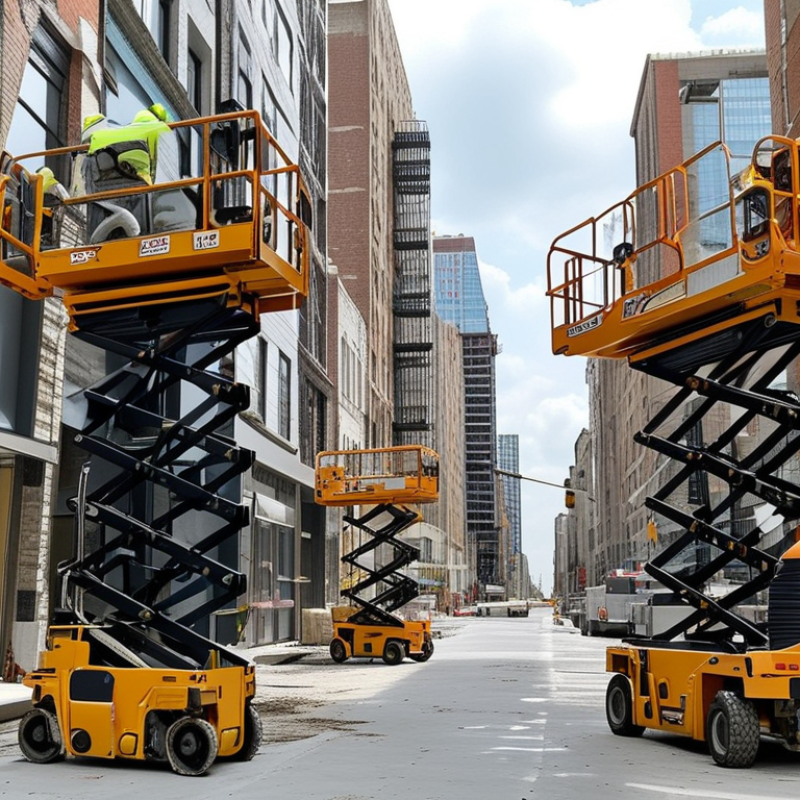
Installing a platform lift is a meticulous process. Several factors play a role in how long this installation takes. Site preparation is often the first hurdle. Ensuring the area is ready can require adjustments to flooring and structural support. These changes add significant time to the project.
Another key factor is building codes and regulations. Each location has specific requirements for accessibility devices. Compliance with these rules often demands extra time for inspections and permits. This is essential to guarantee safety and reliability, but it can lead to delays.
The complexity of the lift system itself cannot be overlooked. More intricate designs or customized features typically extend installation timelines. In some cases, installers may face unforeseen challenges that arise during setup. Adjustments may be necessary, which can complicate the process. This unpredictability is part of the profession and highlights the importance of skilled technicians.
Installing a platform lift is a more complex process than many realize. Site assessments are crucial. These assessments involve evaluating the area for safety, accessibility, and compliance with local regulations. Each location presents unique challenges. Factors like building structure, existing paths, and potential obstacles must be examined.
Inadequate planning can lead to delays. Sometimes, unforeseen issues arise during the assessment. Perhaps there are hidden utilities or structural concerns that were not previously identified. It's vital to approach each situation with care. Rushing can result in mistakes and costly corrections later on.
Preparation is another significant factor. The site must be equipped and ready for installation. This could mean reinforcing the structural integrity where the lift will go. Weather conditions can also hinder progress. Adverse weather often slows down work, especially during critical phases. Addressing all these considerations takes time and diligent effort. Every detail matters in creating a safe and effective lifting solution.
Installing a platform lift can often feel like a long and frustrating process. A significant factor contributing to the delay is obtaining permits and ensuring compliance with regulatory requirements. Each state and municipality has its own set of standards. These regulations govern everything from safety to accessibility. Navigating these rules can take time.
Engaging with local authorities is a crucial step. Contractors must submit various documents for approval before work can commence. This can lead to longer wait times than expected. In some cases, additional inspections or modifications are necessary. This can stall the project even further. Finding and correcting errors in paperwork can also extend the timeline, creating unforeseen challenges.
Compliance with regulations is vital. It ensures that the platform lift is safe and functional for all users. However, these exacting standards can create a bottleneck in the installation process. It’s not uncommon for contractors to encounter setbacks. Each approval phase can reveal issues requiring more resources and time. Ultimately, patience and attention to detail play key roles in a successful lift installation.
Installing a platform lift involves significant customization. Each location presents unique challenges that must be addressed. Architects and engineers must consider existing structures, space limitations, and user needs. These factors can complicate the design process.
Often, the adjustments required for safe installation delay the project timeline. Accessibility standards must be met, which adds layers of complexity. Engineers design solutions to fit these specific environments. Adjustments can include modifying lift dimensions and incorporating safety features. Mistakes in this phase can lead to costly reworking.
Planning is essential to navigate these challenges efficiently. Engage specialists early in the design process. Conduct thorough site assessments. Communicate with the installation team about site conditions. Collaboration helps avoid delays and ensures smooth installation.
Pay attention to local regulations. Each area may have different safety codes and standards. Understanding these requirements can save time in the long run. Always review the planned layout with stakeholders. Feedback can identify issues before they impact installation timelines.
The installation of a platform lift can take longer than expected. The experience of the installation team plays a key role. An experienced team understands the nuances of lift systems. They can foresee potential challenges during installation. However, even seasoned professionals encounter unexpected issues. These might include site-specific obstacles, such as space constraints or hidden structural elements.
Coordination among team members is equally vital. Smooth communication ensures that tasks are executed efficiently. A lack of coordination can lead to delays. For instance, if the electrical setup conflicts with the structural plan, time is lost. Each member’s role must be clear to prevent confusion. If anyone makes a mistake, it can set the entire project back.
Every installation is unique. Some sites require more adjustments than others. This unpredictability can test the team’s adaptability. The goal is to complete the project safely and correctly. Yet, complex installations might reveal unplanned hurdles, highlighting the need for a thorough pre-installation assessment. Time frames are estimates, and flexibility is key in this process.
| Installation Phase | Average Duration (Days) | Team Experience Level | Coordination Complexity |
|---|---|---|---|
| Site Assessment | 2 | High | Low |
| Permitting | 10 | Medium | Medium |
| Delivery & Setup | 5 | High | High |
| Installation | 15 | Expert | High |
| Testing & Inspection | 3 | Medium | Low |
| Training & Handover | 2 | High | Medium |
: Several factors affect installation time, including site preparation and building regulations.
Site preparation involves adjusting floors and supports, which can significantly extend installation duration.
Compliance with local codes requires time for inspections and permits, which can cause delays.
Complex lift systems require more time due to intricate designs and potential unforeseen challenges.
Detailed site assessments help ensure safety and compliance, but issues may arise that delay progress.
Inadequate planning can lead to delays, especially if hidden utilities or structural concerns are discovered.
Experienced teams can anticipate challenges, but they too may face unexpected site-specific issues.
Smooth communication prevents delays; miscommunication can complicate tasks and disrupt timelines.
Time frames are estimates and flexibility is necessary due to the unique nature of each project.
Errors can set back the project, often requiring costly corrections and extended timelines.
Installing a platform lift can be a lengthy process due to various influencing factors. Understanding how long does it take to install a platform lift involves examining the complexity of site assessments and preparations, which can vary significantly from one location to another. Additionally, delays often stem from obtaining the necessary permits and ensuring compliance with regulatory requirements, which can be time-consuming.
Technical challenges also play a critical role, particularly when customizing lift designs to fit specific site conditions. Furthermore, the experience and coordination of the installation team significantly impact the project timeline. Each of these elements contributes uniquely to the overall duration, making it essential for stakeholders to anticipate potential delays and plan accordingly for a successful installation.