 Dave Lift
Dave Lift
Dave Lift
Explore our top-tier hydraulic and space-saving vertical solutions optimized for residential and light commercial developments in Khartoum, Port Sudan, and beyond.
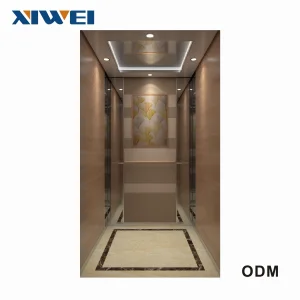
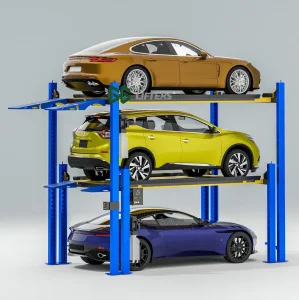
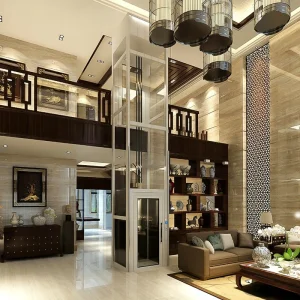
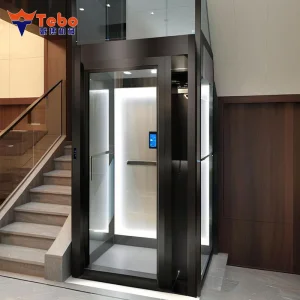
Sudan's unique geographical, climatic, and infrastructural conditions require vertical transportation solutions that go far beyond standard European or East Asian baseline models. As residential architecture in urban centers such as Khartoum, Omdurman, and Khartoum Bahri shifts toward multi-generational villa structures and medium-rise luxury apartments, the demand for reliable home elevators has risen dramatically. However, standard traction and generic pneumatic lifts often fail to handle the region's operational realities.
Key among these challenges is Sudan's intense Saharan climate. During peak summer, ambient outdoor temperatures regularly climb past 45°C. For hydraulic lifting systems, this extreme heat can cause hydraulic fluid viscosity to thin, leading to pressure fluctuations, valve failures, and landing misalignment. Consequently, our engineered solutions for the Sudanese market incorporate special high-viscosity index hydraulic fluids (typically ISO VG 68 or higher) coupled with integrated heat-exchangers and thermal sensors to prevent motor overheating. Furthermore, seasonal sandstorms (locally known as Haboobs) deposit fine dust particles that can compromise mechanical seals, pump motors, and electronic guide rails. To combat this, our lifts features IP65-rated control enclosures, dust-proof shaft covers, and chrome-plated piston rod shields to prevent abrasive wear on the cylinder packing.
In addition to climate resilience, electrical infrastructure stability is a major factor. The Sudanese power grid experiences frequent voltage drops, surges, and blackouts. Traction lifts can become stranded between floors when power cuts occur, requiring complex manual evacuation. Hydraulic elevators possess a fundamental physics-based advantage: in the event of total electrical failure, a battery-powered 12V DC auxiliary lowering valve can release hydraulic fluid back into the reservoir, allowing the elevator cabin to descend smoothly and safely to the ground floor via gravity alone. This failsafe mechanism ensures that elderly residents, children, or wheelchair users are never trapped in a power outage.
Double-seal piston rods, dust-proof linear guide rails, and IP65-certified electronic enclosures protect all moving parts from abrasive desert dust and sandstorms.
Specially formulated high-viscosity hydraulic oils paired with active cooling systems keep operating oil temperatures within safe ranges even under 48°C heat.
A built-in backup battery powers emergency cabin lighting and activates the solenoid valve for safe gravitational descent during common localized blackouts.
The residential vertical transport sector is undergoing a massive shift toward energy conservation, smart connectivity, and space optimization. Traditionally, hydraulic elevators were viewed as robust and cost-effective but relatively power-intensive compared to traction counterparts. Today, advancements in variable frequency drive (VFD) technology and eco-friendly fluids have transformed hydraulic systems into high-efficiency machines.
By integrating Variable Voltage Variable Frequency (VVVF) controllers with hydraulic power units, modern systems only draw peak current during ascent, using gravity for descent. This reduces overall energy consumption by up to 45% compared to traditional constant-speed valve blocks. Additionally, the transition away from petroleum-based oils toward biodegradable synthetic esters ensures zero toxic hazard in case of accidental hydraulic seal leaks, matching global environmental standards.
Looking toward the future, the internet-of-things (IoT) is making predictive maintenance a reality. Our current technical roadmap involves equipping hydraulic pump chambers with vibration and temperature sensors that transmit real-time telemetry to building management systems. If oil viscosity decreases or cylinder seal friction rises, alerts are triggered before a breakdown happens. This technology is vital for distant markets like Sudan, where immediate access to skilled lift technicians may be limited by geography.
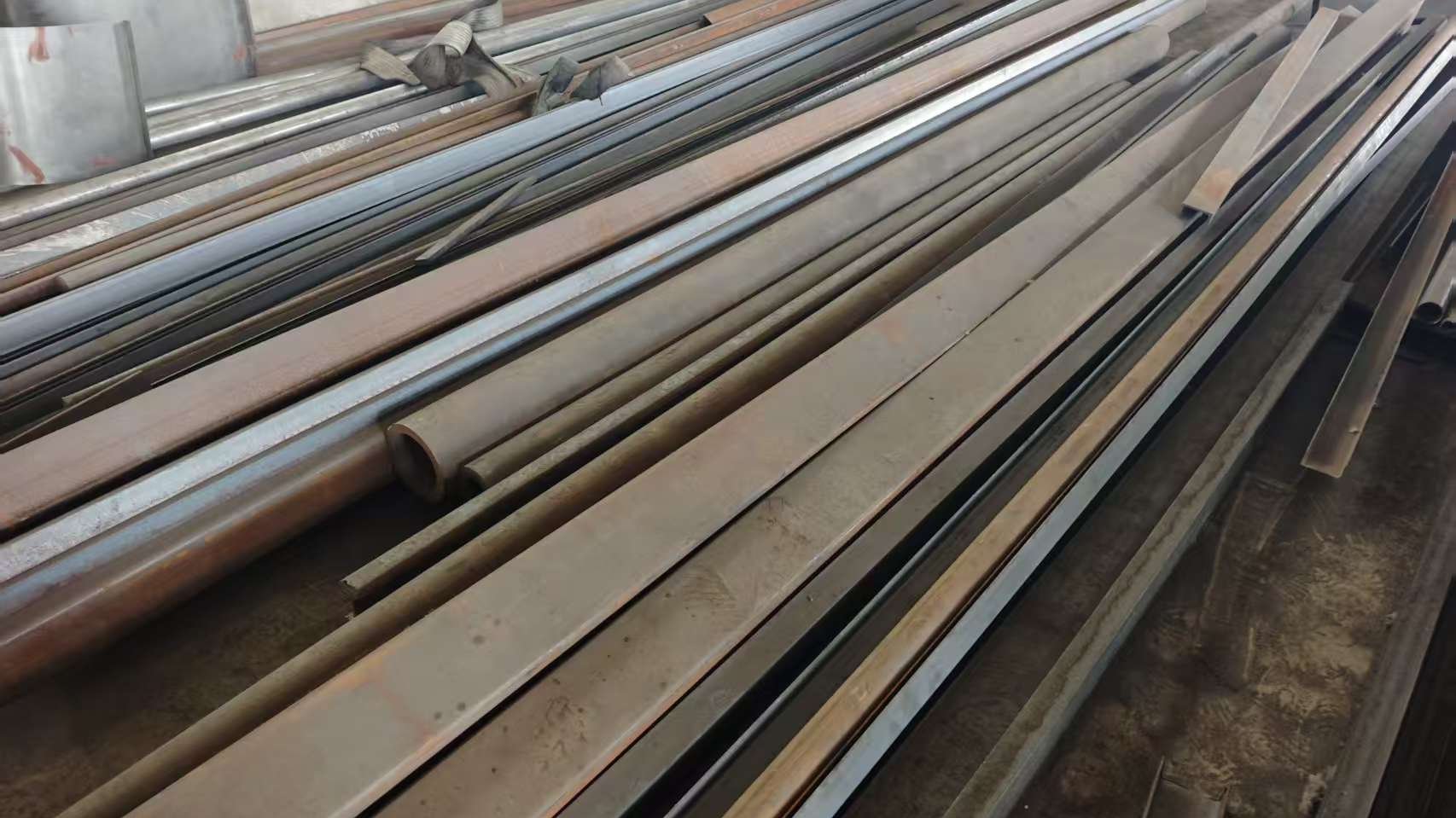
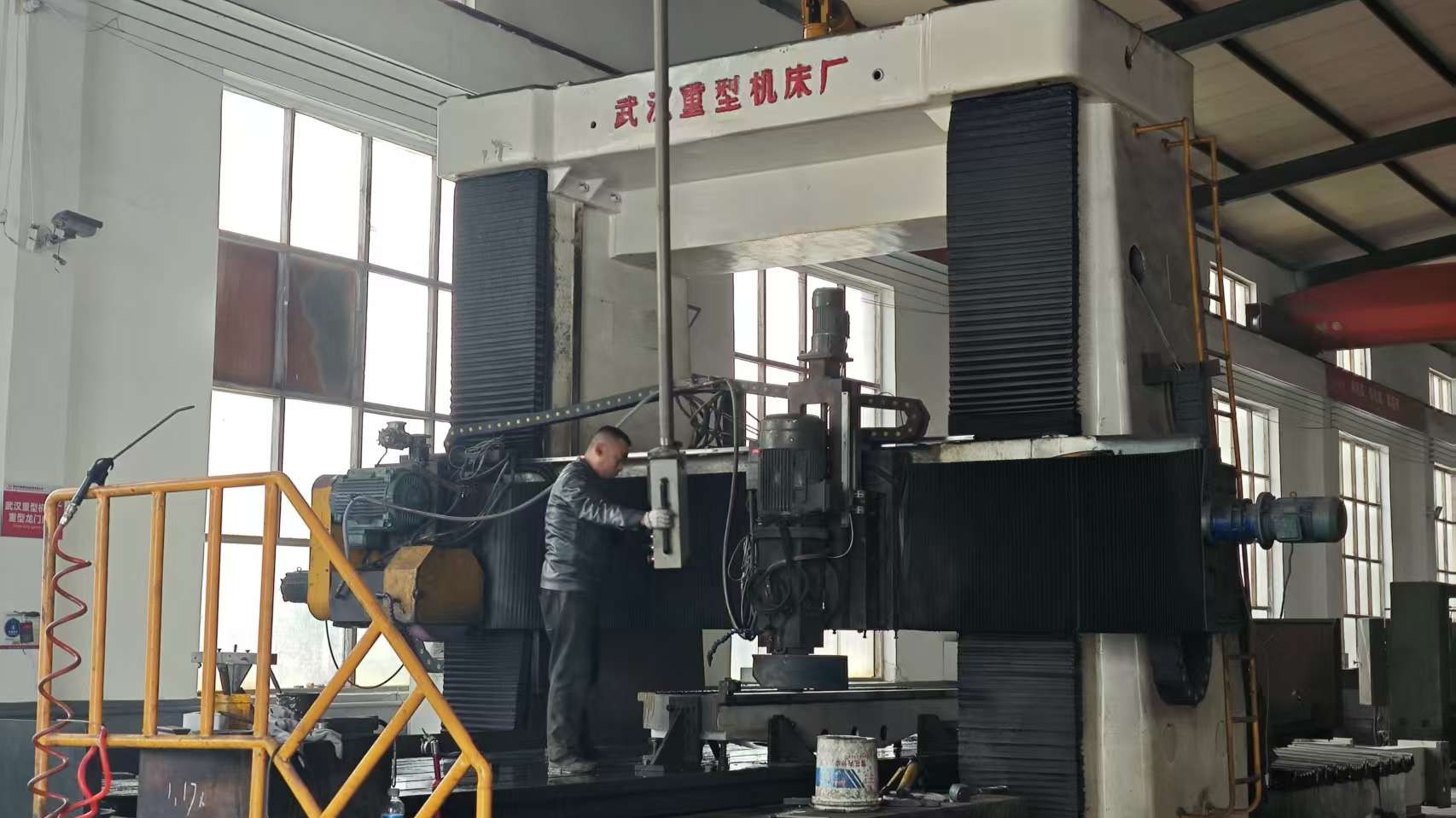
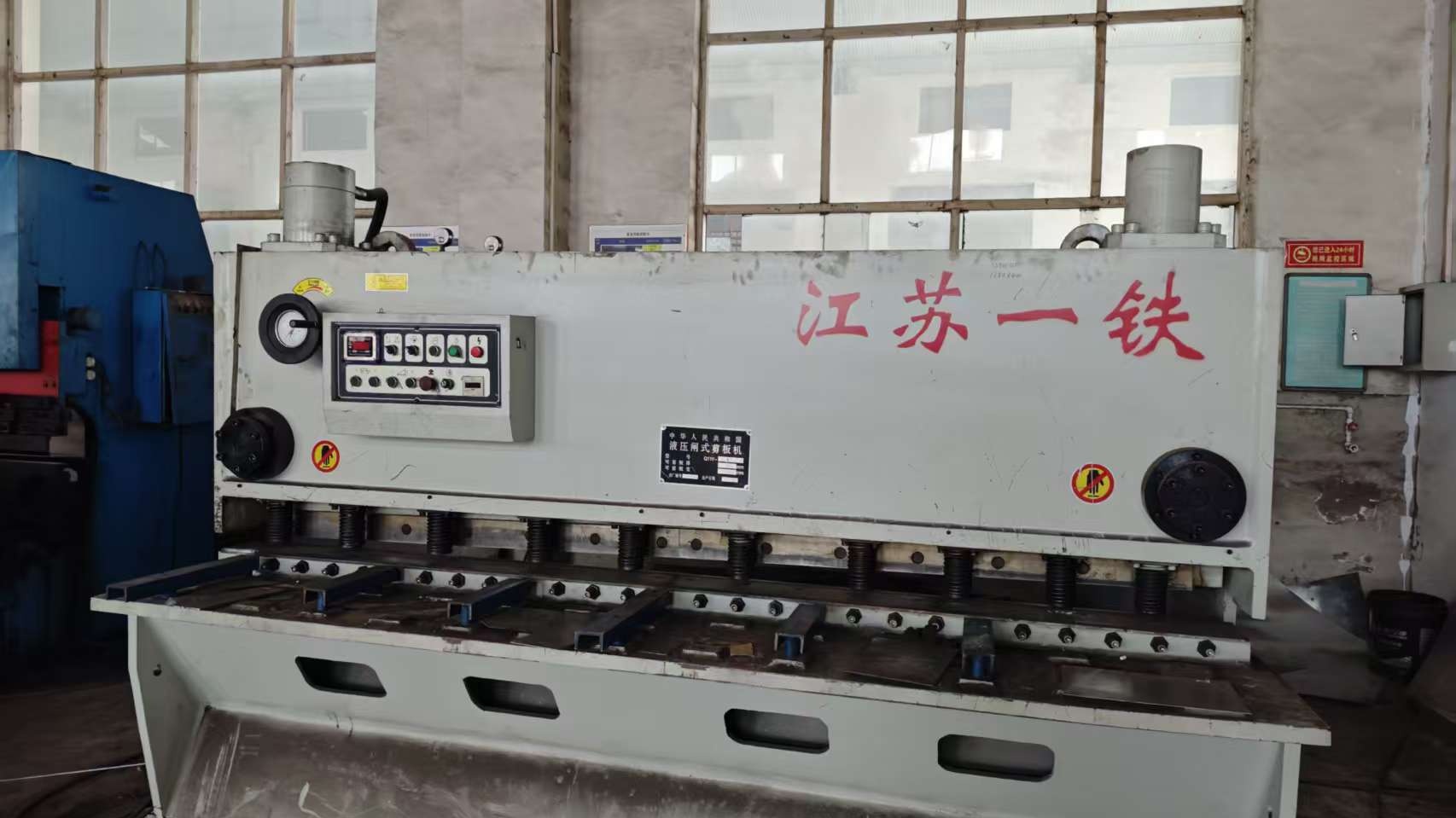
Foshan Dave Lift Co., Ltd. is a leading manufacturer dedicated to designing and exporting customized vertical mobility systems and automotive parking lifts worldwide. Our advanced factory leverages high-precision machinery, such as planer type milling, CNC bending, and shearing machines, to guarantee mechanical tolerance accuracy down to the millimeter. From selecting high-grade steel raw materials to the final assembly of the lift cabin and hydraulic cylinders, we adhere strictly to CE and UL certifications. Every elevator produced undergoes over 100 rigorous quality checkpoints before export to ensure absolute stability and safety in international markets.
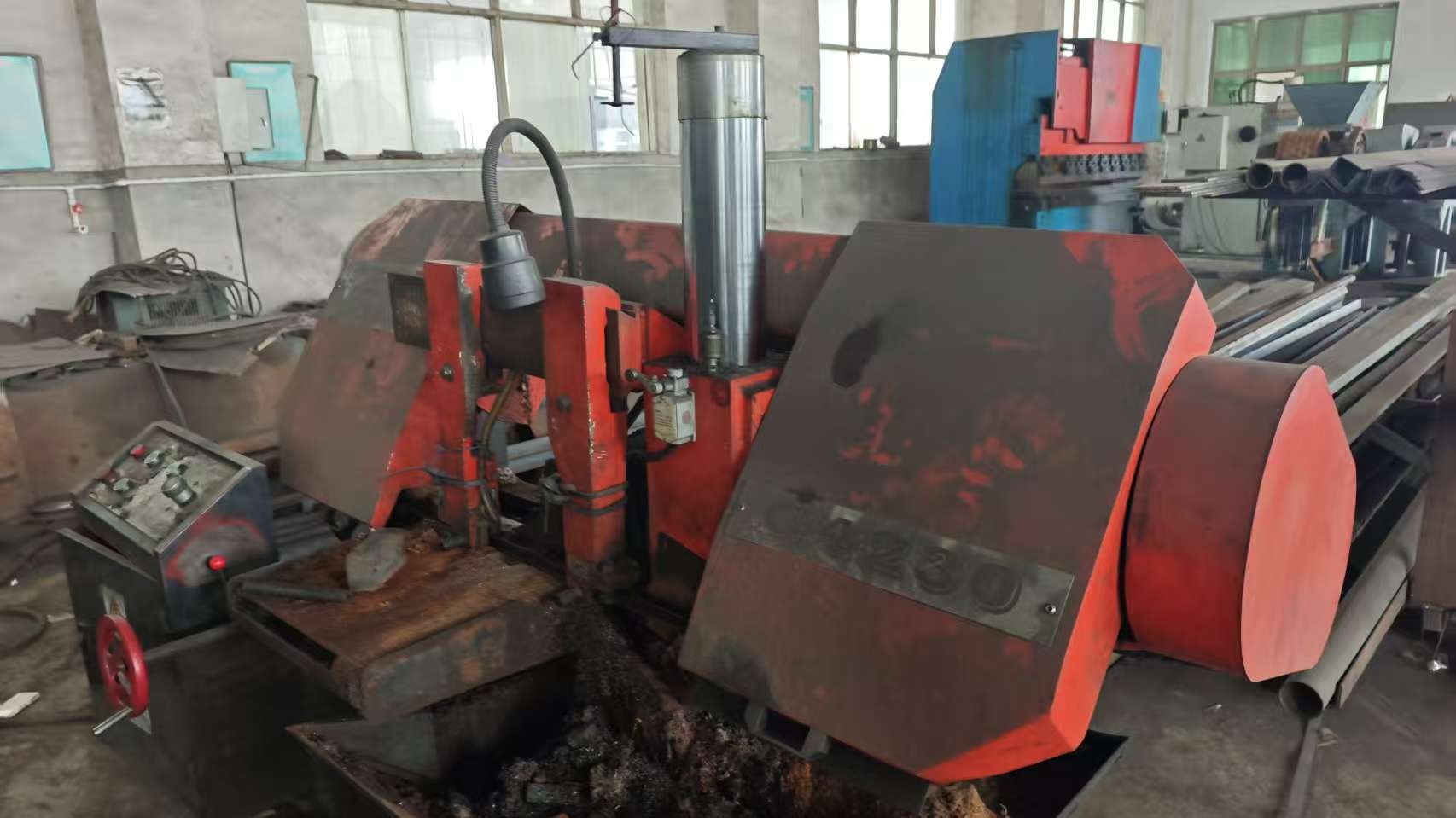
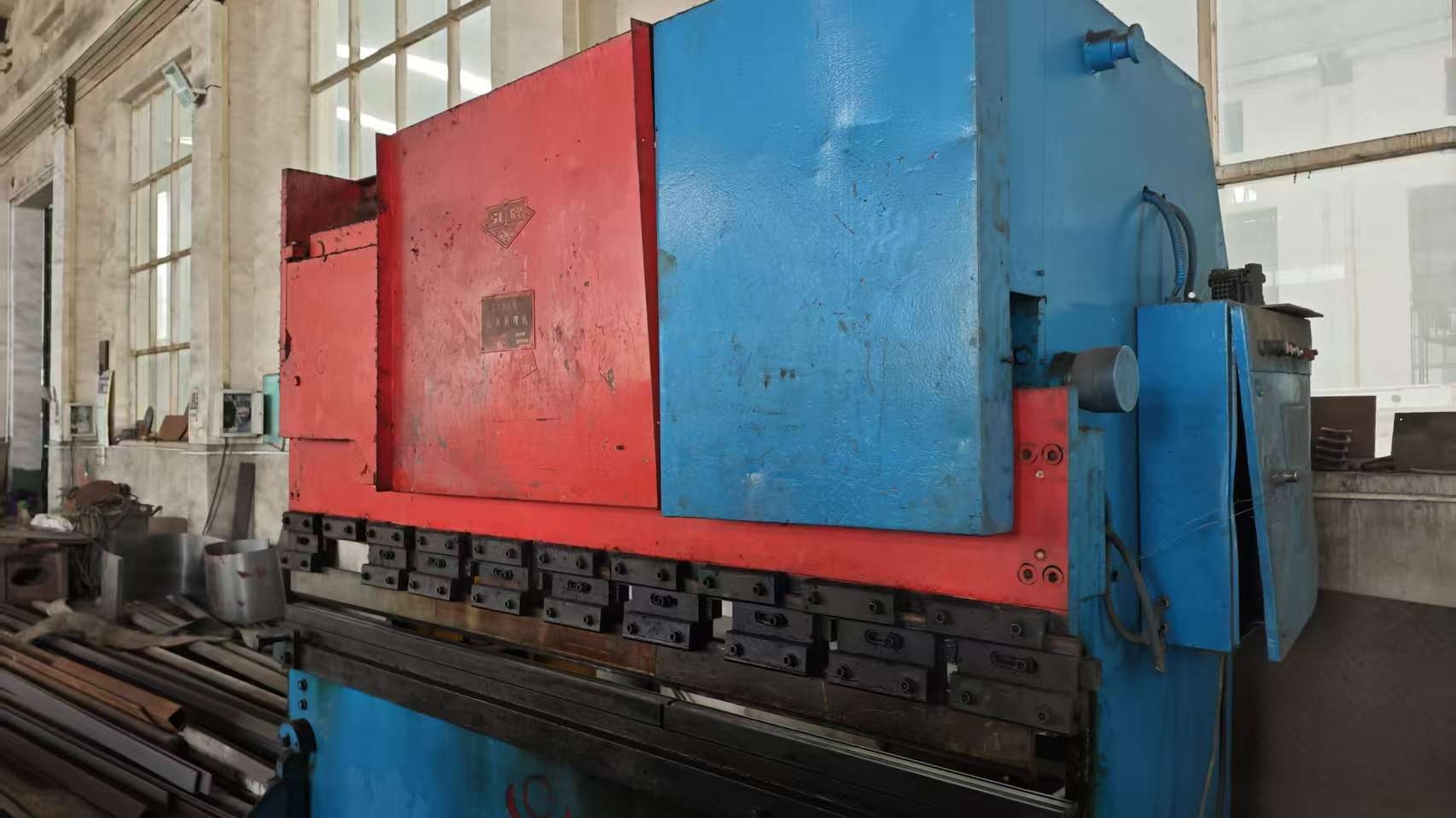
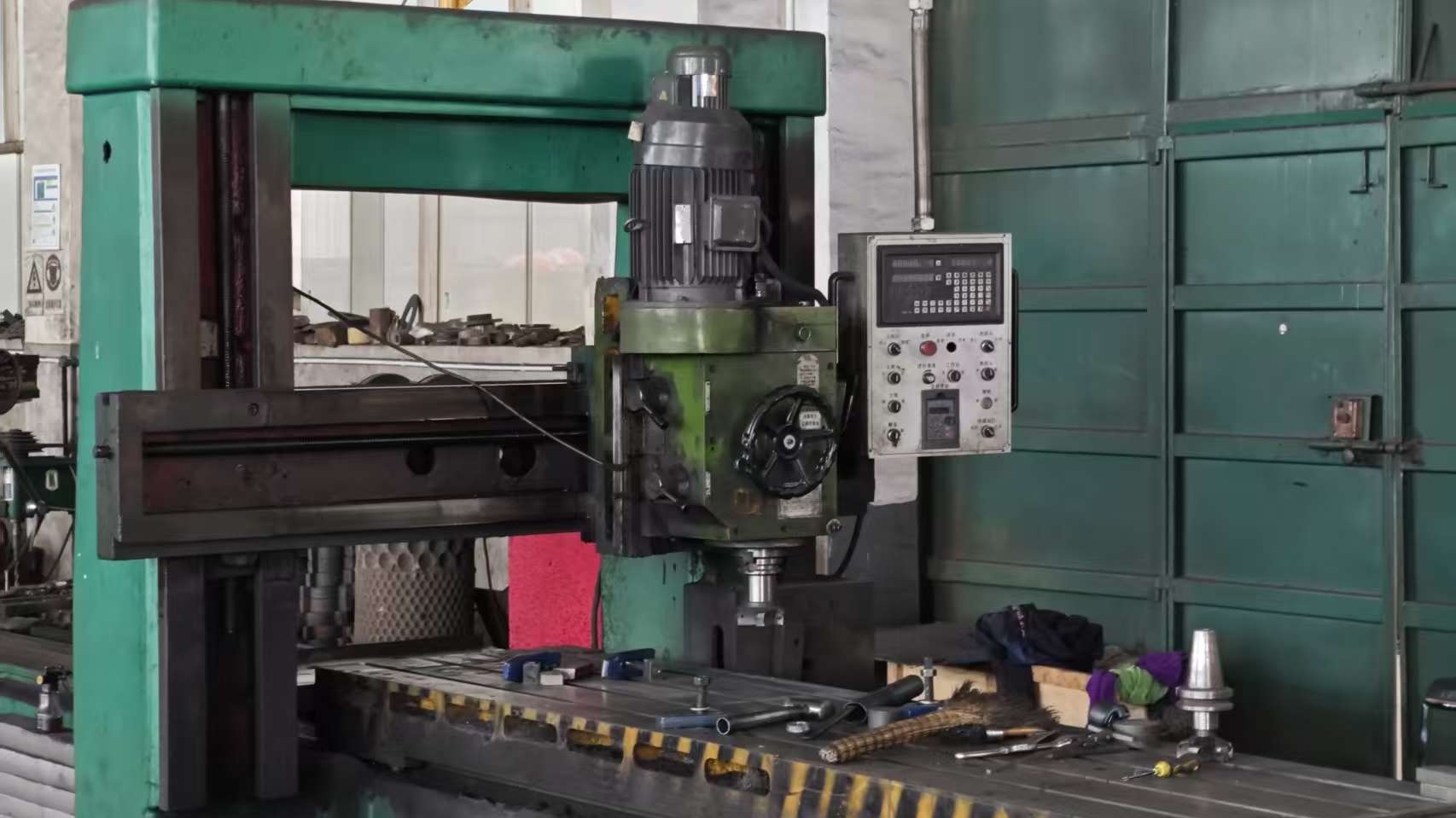
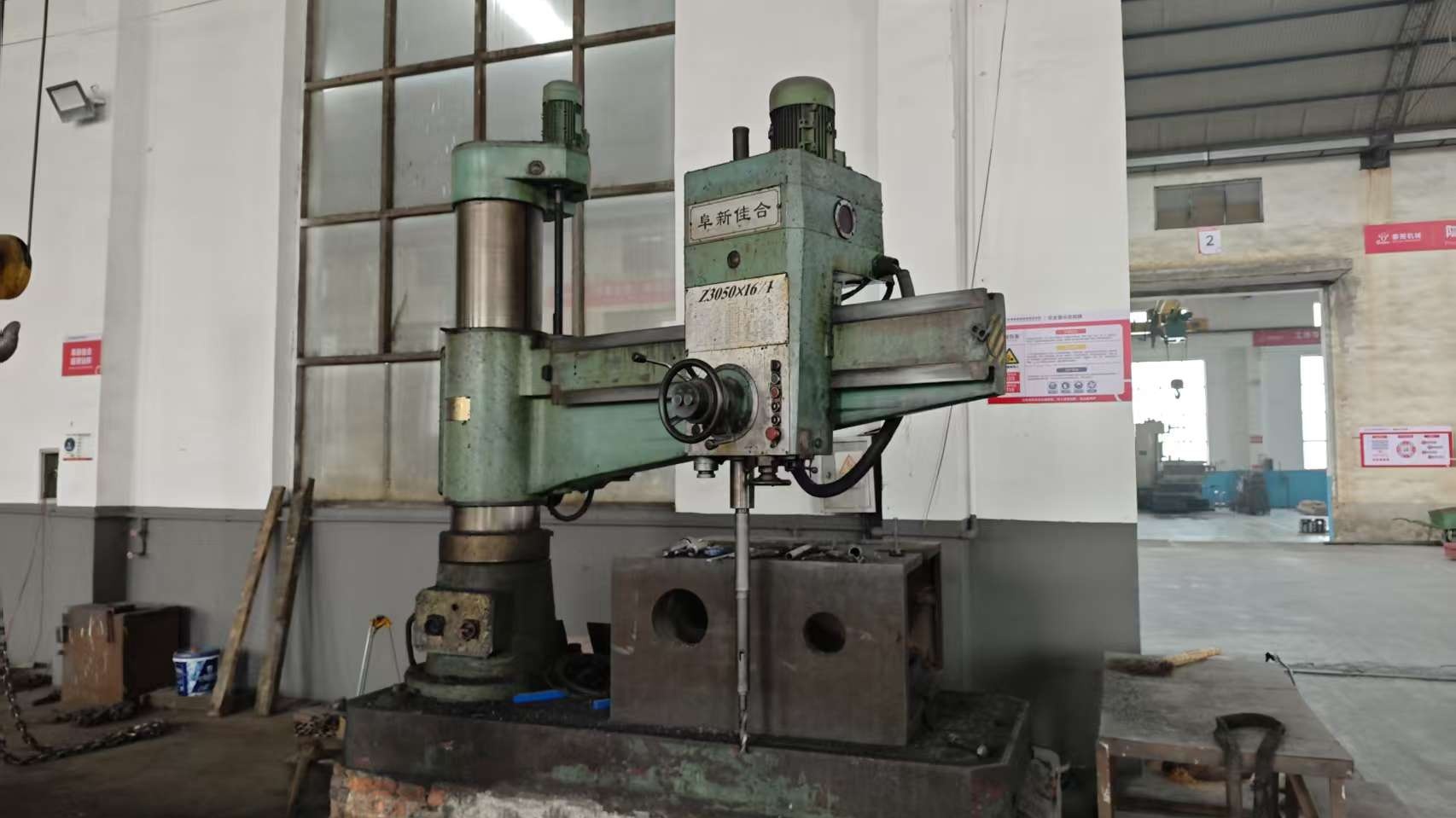
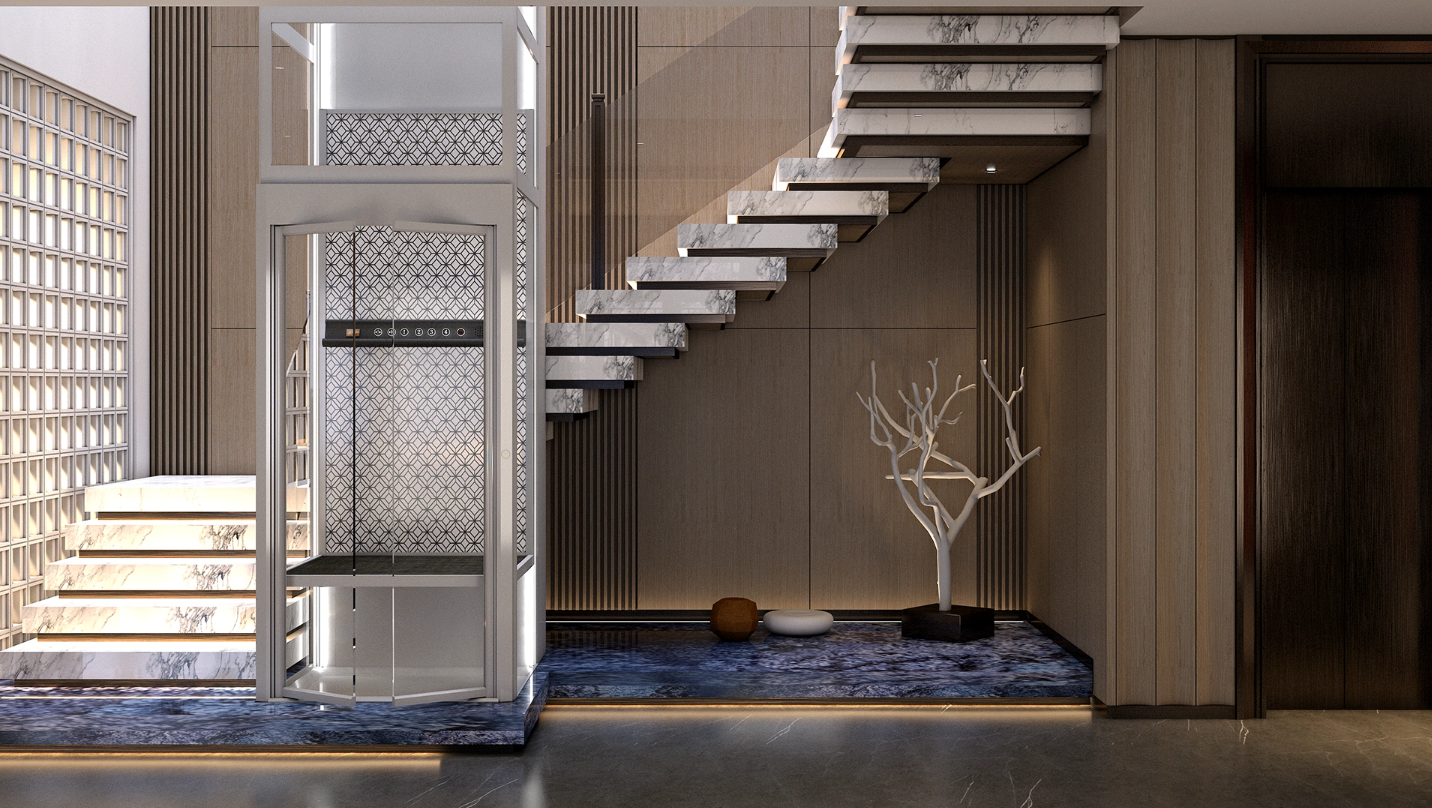
Our global competitive advantage lies in our engineering adaptability. Unlike standard lift suppliers, we customize each unit to the exact installation site. In Sudan, this includes reinforcing the structural frame of our outdoor glass panoramic lifts to withstand wind-blown dust and optimizing the mechanical structural footprint to reduce the required pit depth. Many older structures in Khartoum Bahri lack structural elevator shafts, so we provide lightweight self-supporting aluminum alloy shafts that require minimal civil construction.
From a logistics perspective, we manage the entire supply chain. Our logistics team secures routes from Foshan Port directly to Port Sudan, handling all technical customs documentation and certifying compliance with regional trade requirements. We supply all components clearly labeled with dynamic CAD installation drawings to ensure local engineering contractors can execute assembly, calibration, and commissioning without errors.
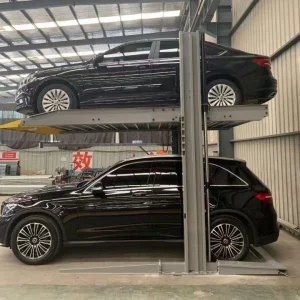
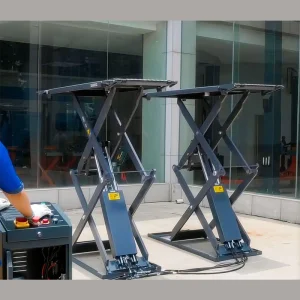
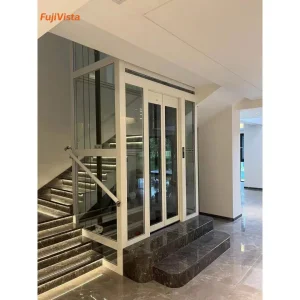
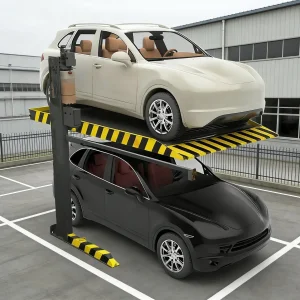
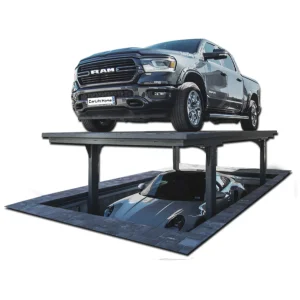
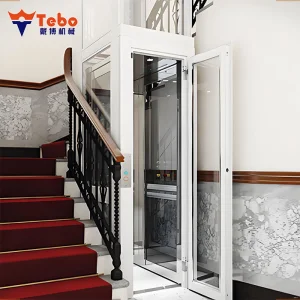
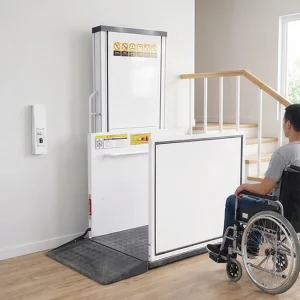
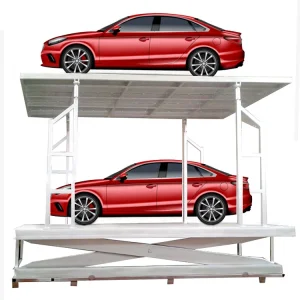
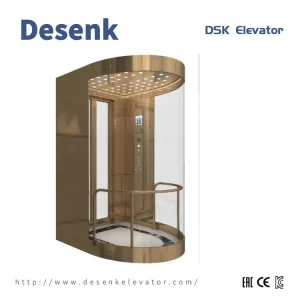
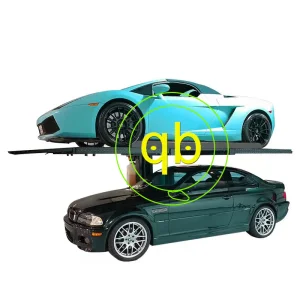
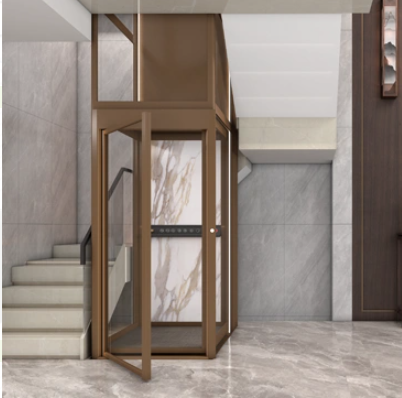
Our full range of residential vertical transportation, handicap accessibility lifts, and space-saving hydraulic parking machinery customized for Sudanese domestic and commercial applications.
Find answers to the most common questions regarding structural prep, environmental tolerances, shipping, and power options for our products in Sudan.