Dave Lift
Dave Lift
Dave Lift
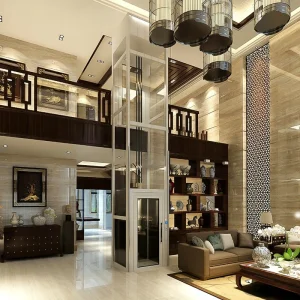
Lesotho, geographically defined by its breathtaking mountainous terrain and high altitudes ranging from 1,400 meters to over 3,400 meters above sea level, presents distinct physical and climatic challenges for heavy machinery and structural engineering. In urbanizing districts like Maseru, Leribe, and Mafeteng, the rapid growth of high-end residential estates, multi-story private villas, and modern retail properties has created a surging demand for safe, reliable, and energy-efficient vertical transportation. Standard traction elevator configurations often encounter complex design hurdles in these zones due to architectural footprint limitations and power stability variables.
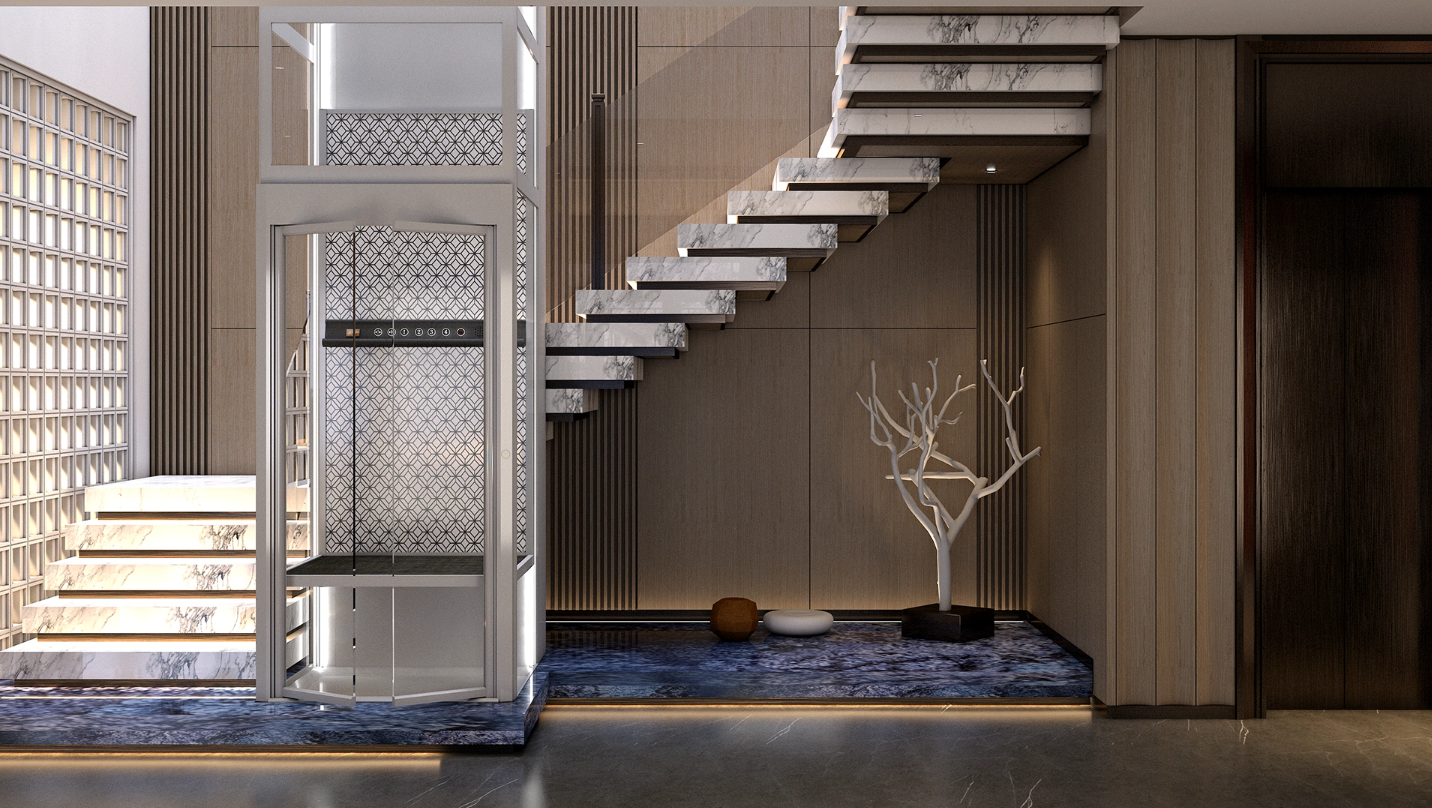
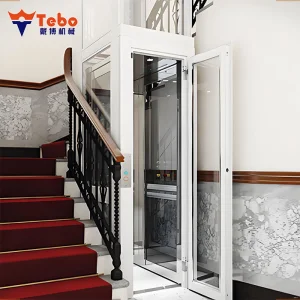
Furthermore, residential developments across Lesotho increasingly feature customized stone masonry and concrete layouts that make excavation difficult. Traditional elevators require deep lift pits and reinforced structural shafts to bear overhead load weights. Hydraulic home lifts are the ideal alternative, distributing the weight of the structure directly onto the building floor slab rather than the structural walls. This completely eliminates the need for expensive structural reinforcement, offering a cost-effective, pitless vertical mobility solution for retrofitted homes and new architectural developments alike.
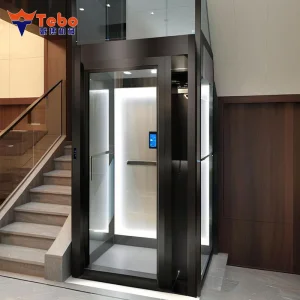
Understanding the mechanical properties of modern hydraulic drive systems is crucial for architects, developers, and project managers. Unlike traction systems that rely on counterweights, cables, and overhead motor rooms, hydraulic home lifts use a heavy-duty piston actuated by an electric pump and valve control system. Below, we examine the structural advantages that make this propulsion type superior for domestic use in Southern Africa:
Since the mechanical lift cylinder is located underneath or directly adjacent to the elevator guide rails, there is no need for a concrete penthouse or overhead machine room, preserving clean ceiling lines in luxury villas.
Power fluctuations and load-shedding are operational realities in Southern Africa. Hydraulic elevators come equipped with manual and automatic emergency gravity descent valves, allowing the cabin to gently lower to the ground floor without utility grid power.
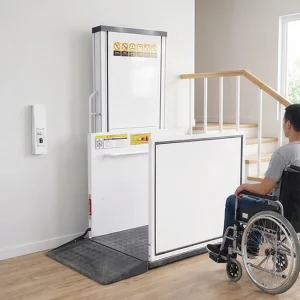
Our hydraulic platform lifts can be installed with a pit depth as shallow as 100mm to 150mm, or fitted with a small access ramp for complete pitless integration, protecting ground structures from extensive sub-surface excavation.
From a thermal dynamic standpoint, the performance of the hydraulic medium is highly dependent on oil viscosity. In Lesotho’s cold winter seasons, when temperatures can drop below freezing, standard hydraulic units may experience minor ride adjustments due to thickened fluid. At Foshan Dave Lift Co., Ltd., we resolve this by integrating automated thermostatic oil heaters and using high-viscosity index (HVI) hydraulic fluids in all units shipped to Southern Africa. This guarantees smooth starting acceleration and deceleration regardless of ambient temperature fluctuations.
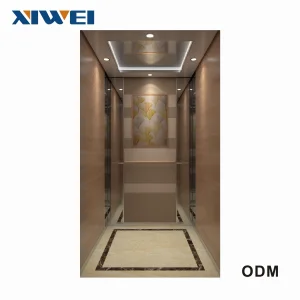
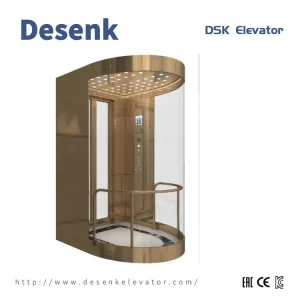
Foshan Dave Lift Co., Ltd. is dedicated to providing high-quality, customized elevator solutions for global clients. As a leading elevator manufacturer located in Foshan, China—the epicenter of high-end metal fabrication and architectural hardware engineering—we focus on innovation and technological advancement to ensure our products meet the demanding safety standards of international markets. Whether it's high-end glass curtain wall elevators or cost-effective spiral elevators, we offer tailored solutions that help our clients stand out in a competitive marketplace.
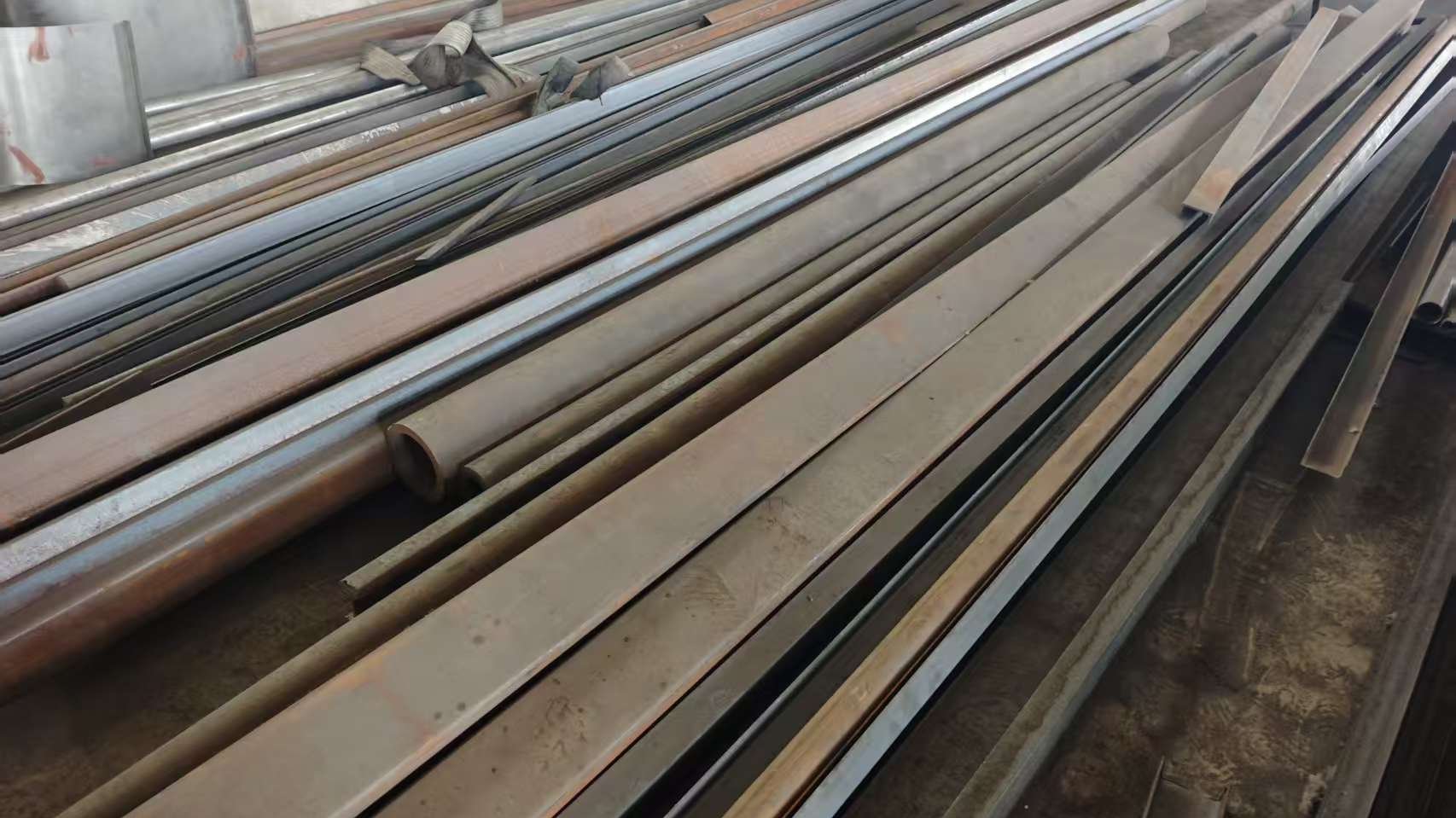
By leveraging Foshan's robust industrial supply chain, we procure top-tier structural steel, precision-engineered guide rails, and international-grade hydraulic components directly from first-tier suppliers. This strategic positioning allows us to deliver customized home lifts that achieve up to 30% greater cost efficiency compared to localized European or South African alternatives, without compromising material safety or design flexibility.
Engineering compliance is a critical factor for any home lift installation. In the Kingdom of Lesotho, local building codes heavily align with the South African National Standards (SANS 1545 series) for lift design and safety, alongside international guidelines such as the European Lift Directive (EN 81-41) for platform lifts. Navigating these safety frameworks requires a manufacturer that designs with international standards in mind.
For B2B procurement, property developers and builders in Maseru must work with a supply partner that provides complete documentation, including certified layout drawings, mechanical stress reports, electrical wiring diagrams, and European CE certificates. Foshan Dave Lift Co., Ltd. delivers a complete documentation package with every shipment, facilitating smooth local municipal approvals and third-party engineering handovers.
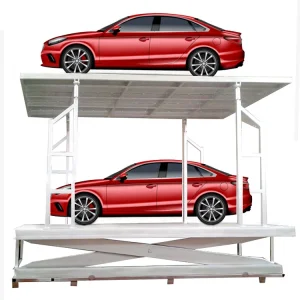
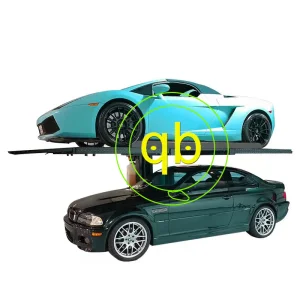
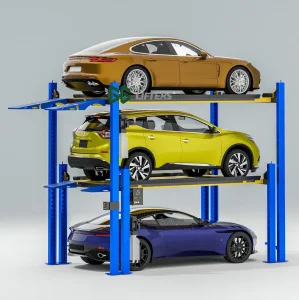
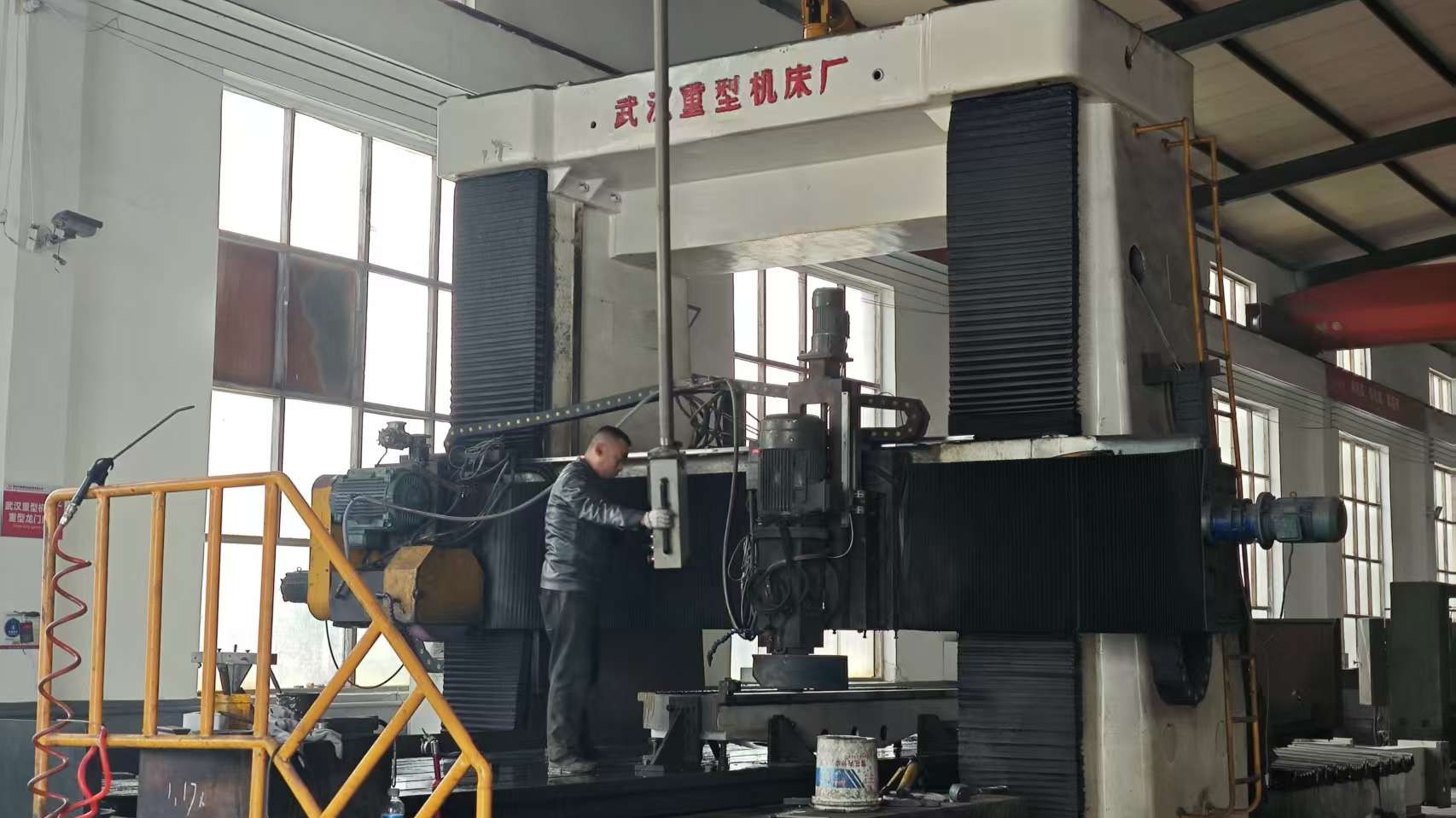
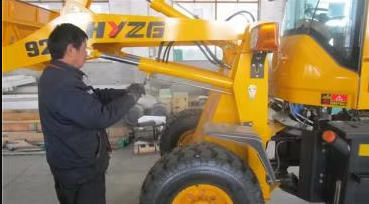
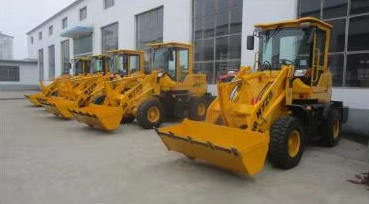
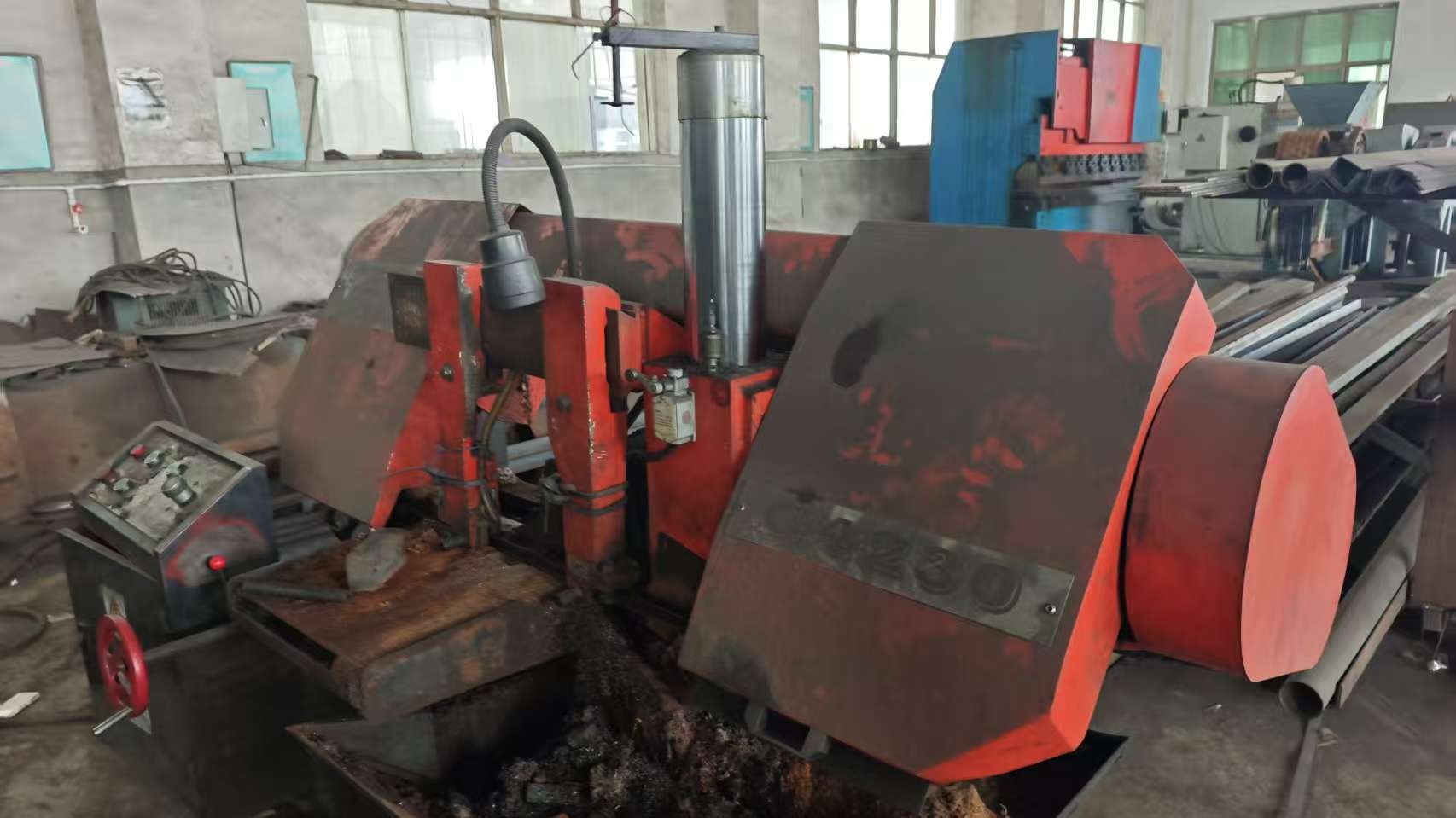
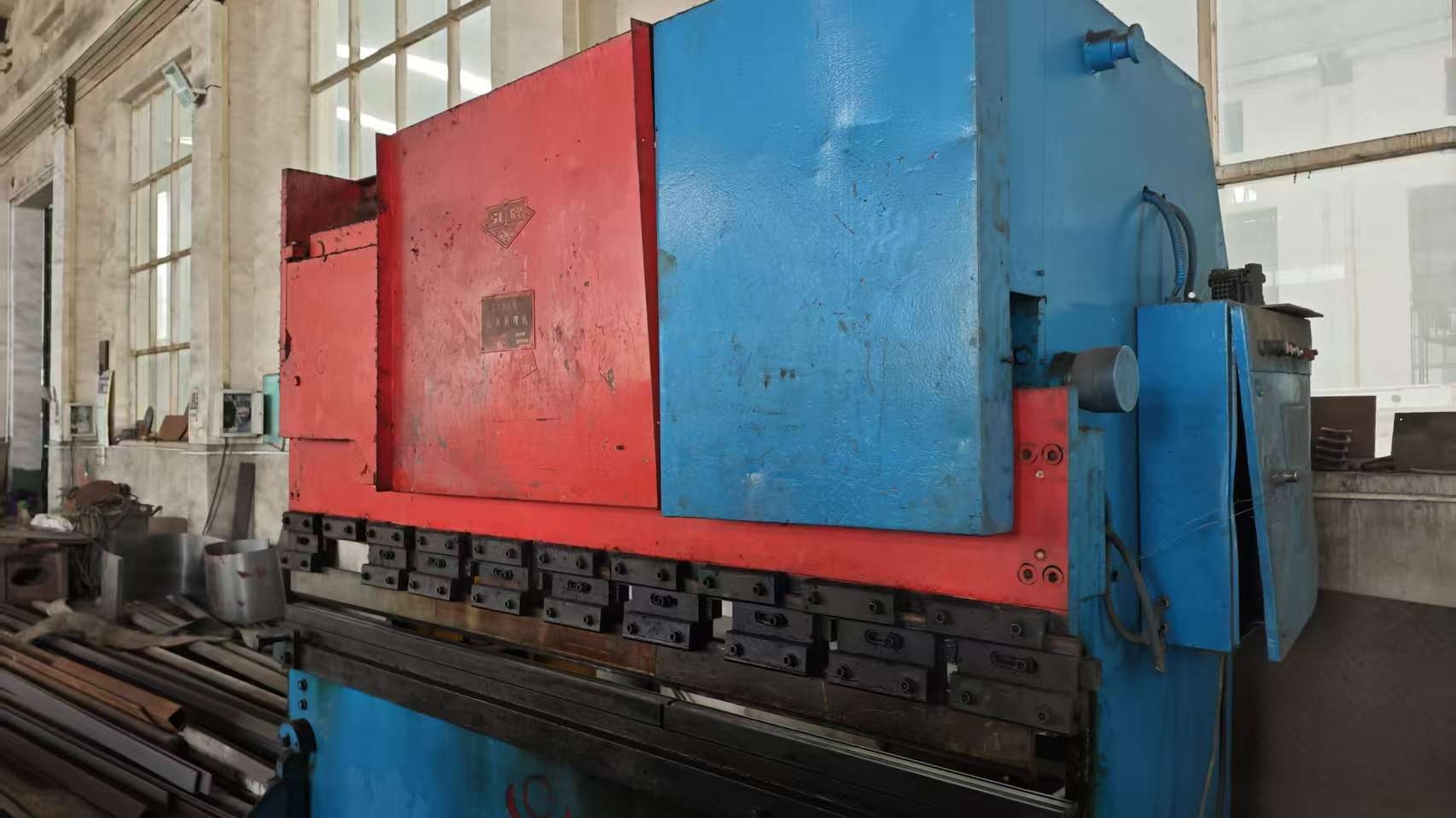
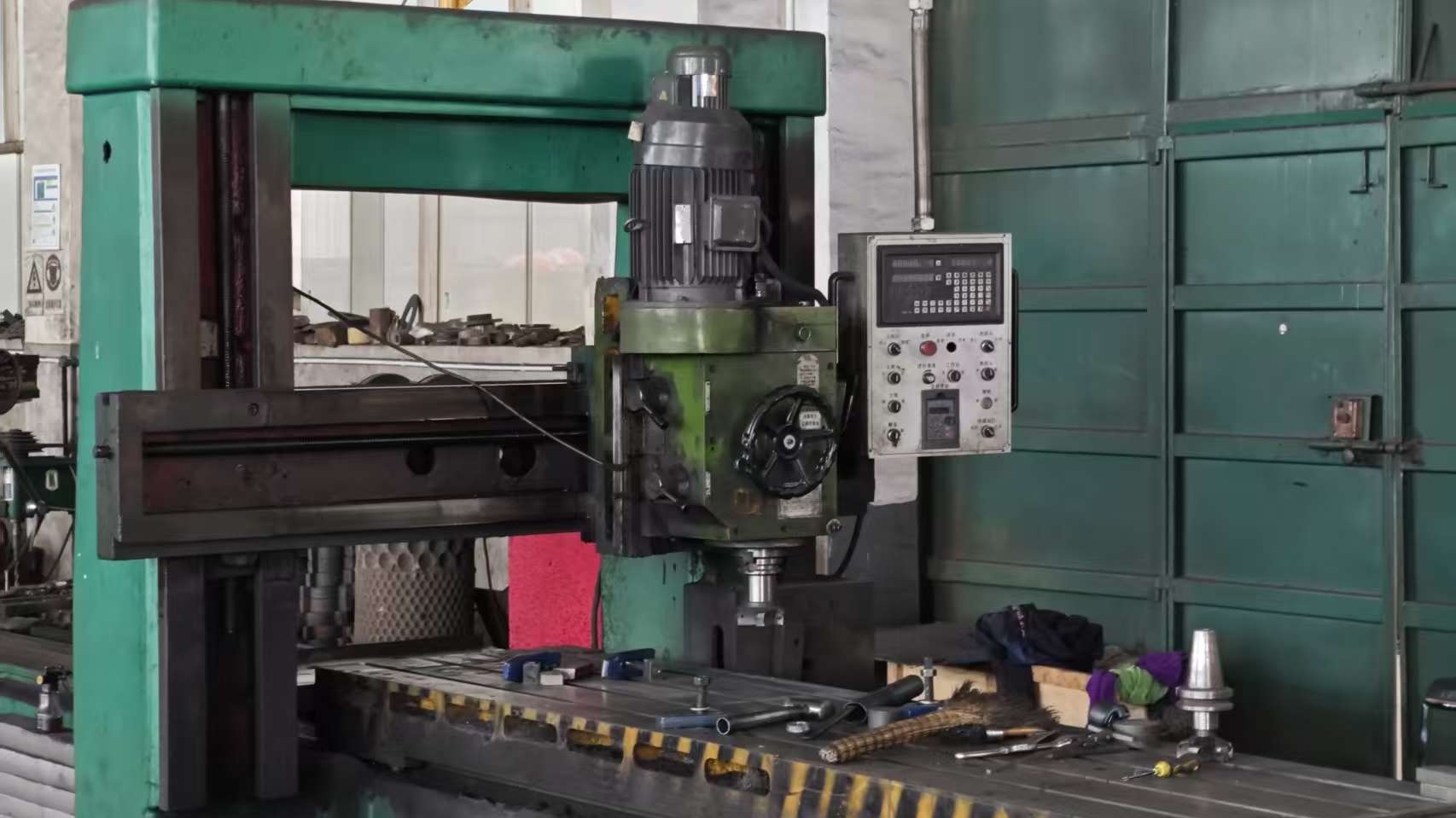
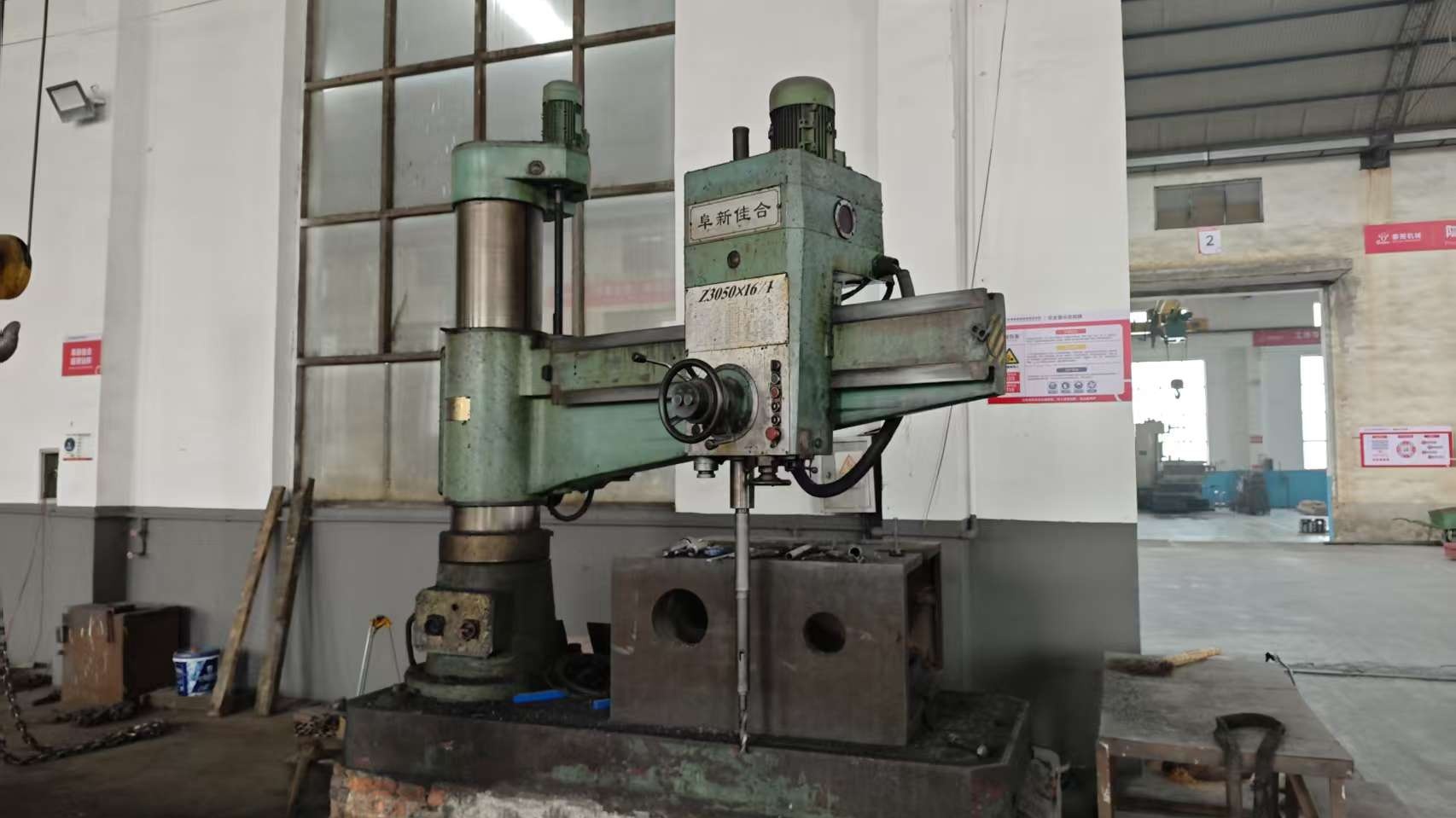
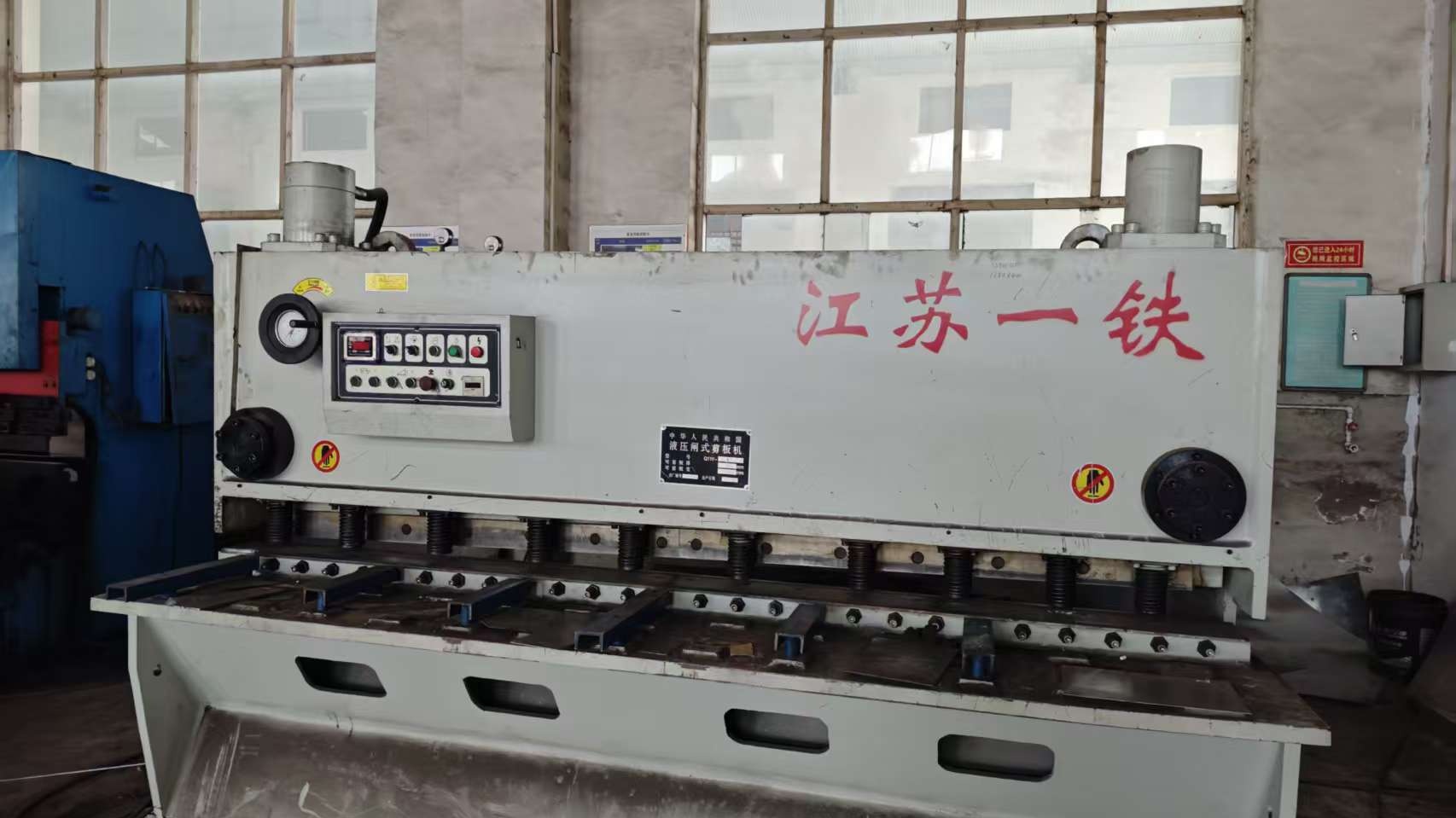
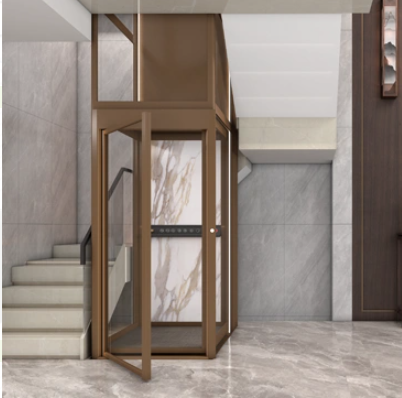
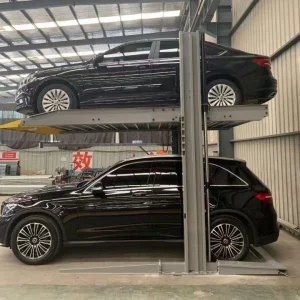
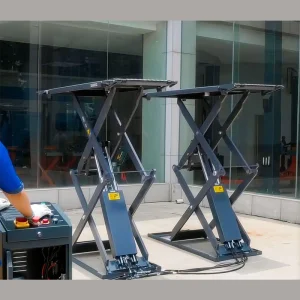
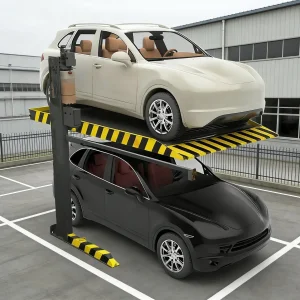
Every home lift produced at Foshan Dave Lift Co., Ltd. undergoes rigorous machining processes. Using high-precision CNC machinery, automated laser cutting, and specialized vertical welding rigs, we eliminate structural tolerances that cause vibration or noise. This clean production process ensures that every platform lift, car stacker, and panoramic villa lift operates with minimal mechanical noise—ideal for residential spaces.
One of the main challenges when sourcing machinery from China to landlocked Lesotho is logistics. At Foshan Dave Lift Co., Ltd., we provide a seamless one-stop export service that covers the entire shipping process, ensuring your lift arrives safely and on time.
All elevator systems are packed in high-density export plywood crates to prevent moisture or mechanical damage during transit. The shipping route follows a secure, established transport corridor:
We work closely with local Lesotho-based mechanical contractors and electrical engineers, providing full pre-installation guidelines, shaft specifications, and structural load charts before the machinery arrives. This pre-planning ensures local site preparation is fully completed before delivery, allowing for a fast and efficient local installation process.
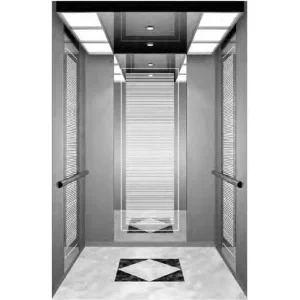
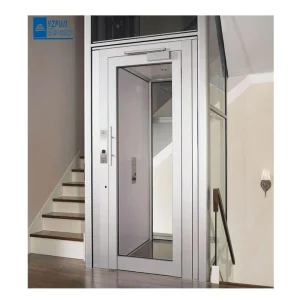
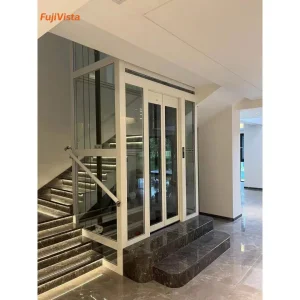
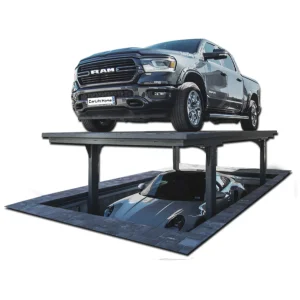
Get in touch with our engineering team for customized design files, load diagrams, and a detailed price quote delivered directly to your project in Lesotho.
Send Inquiry Now